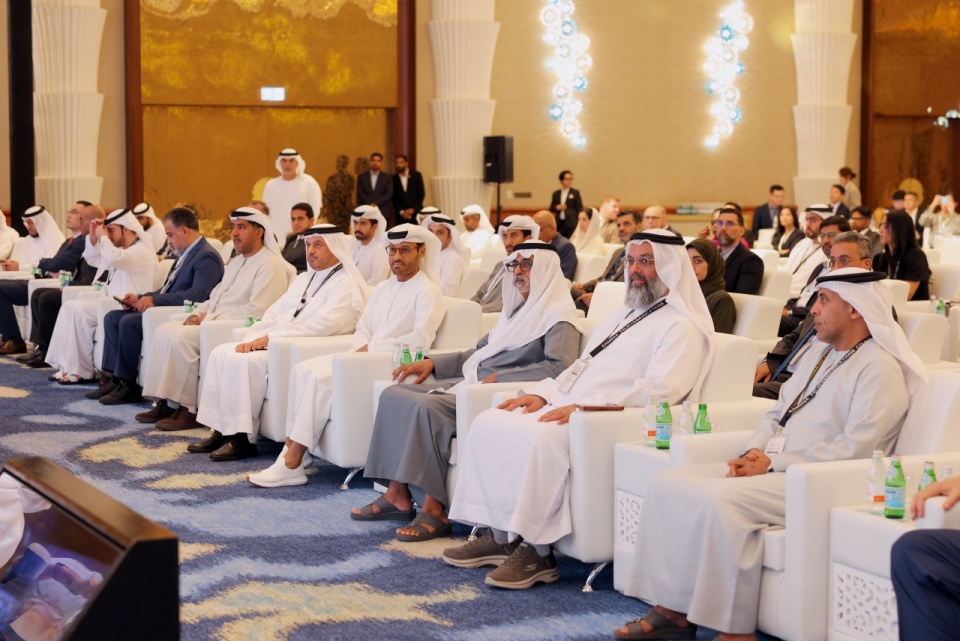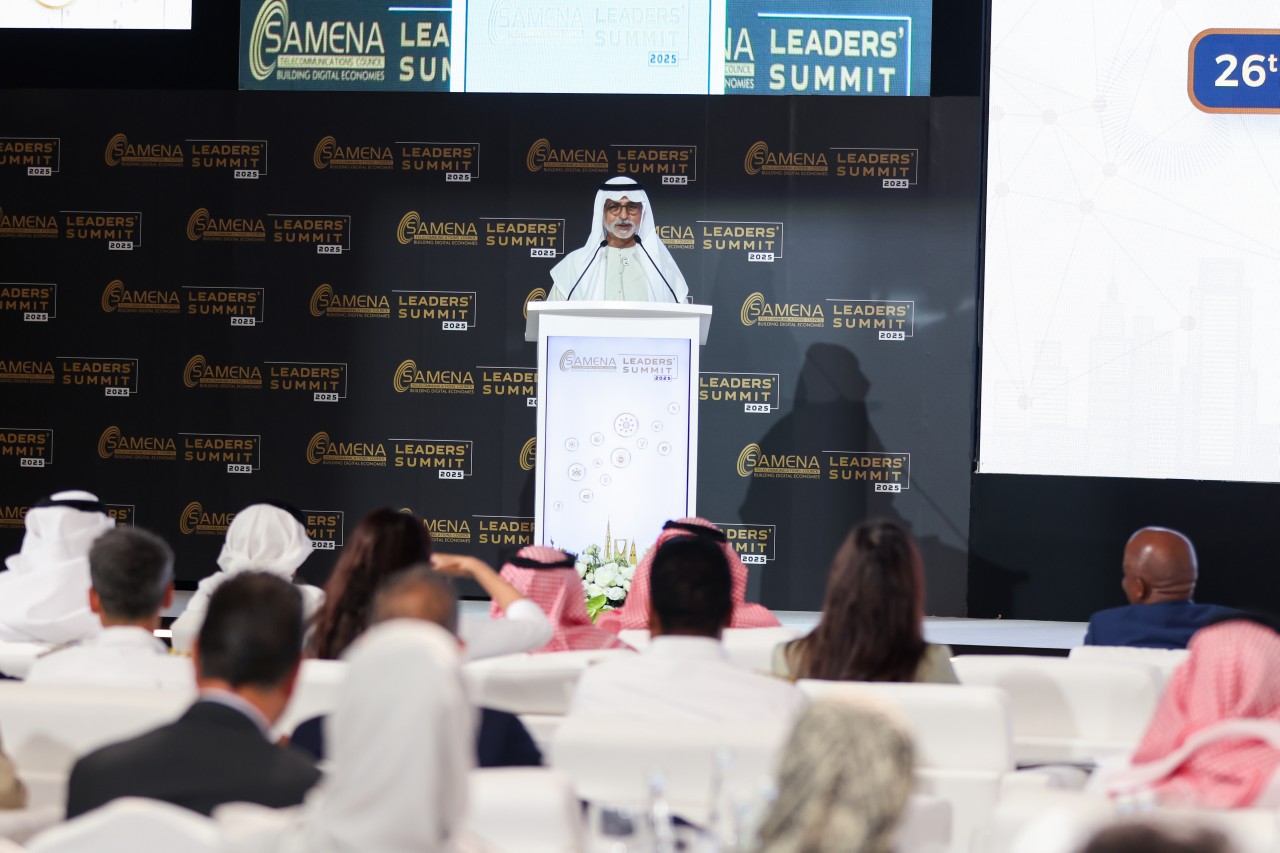
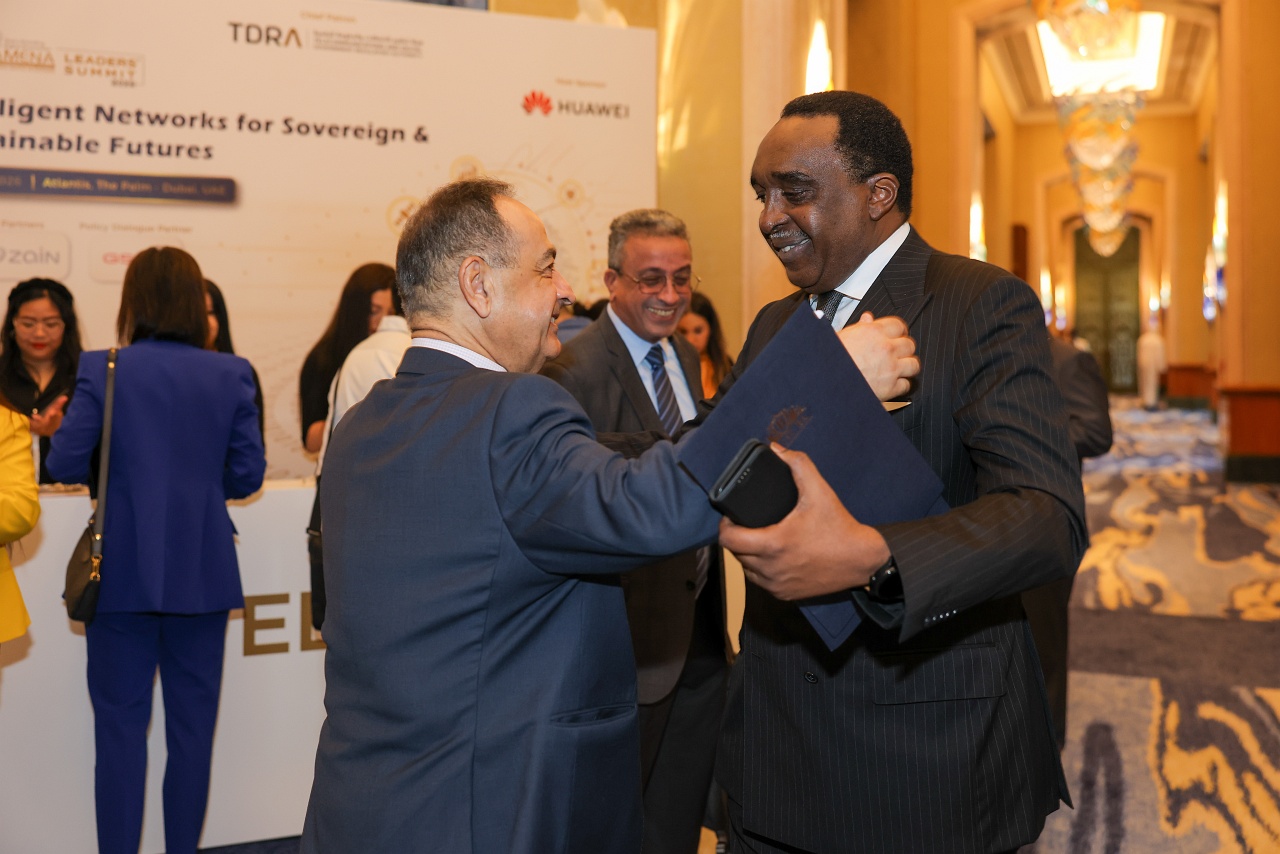
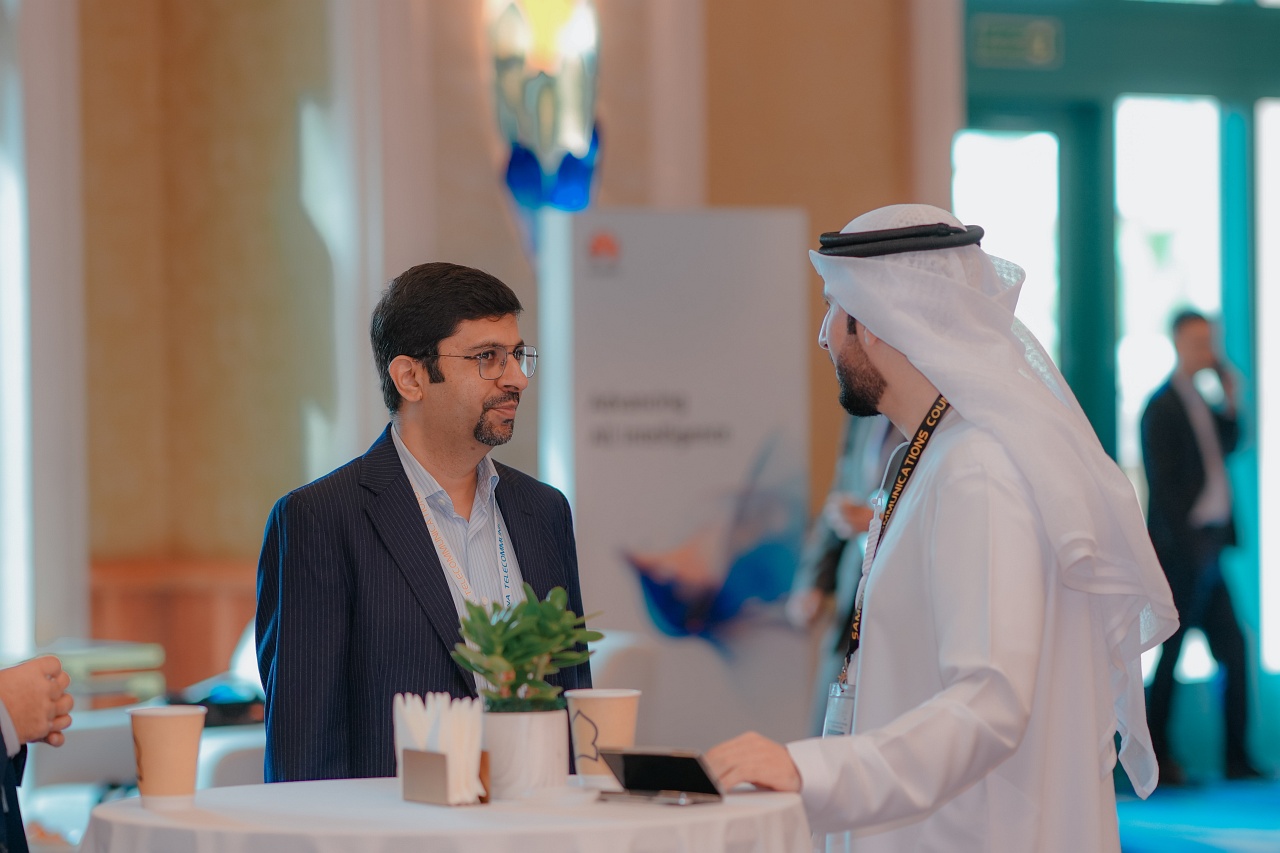
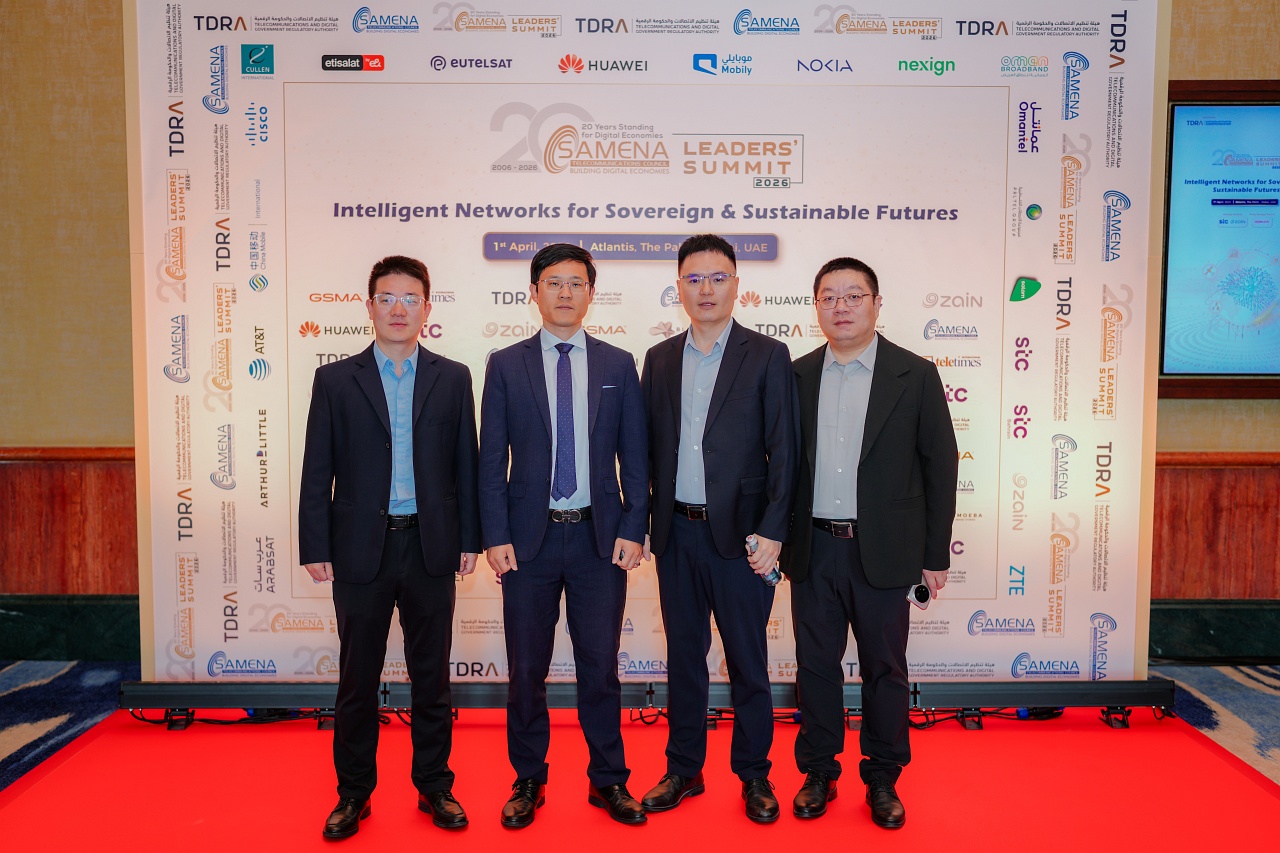
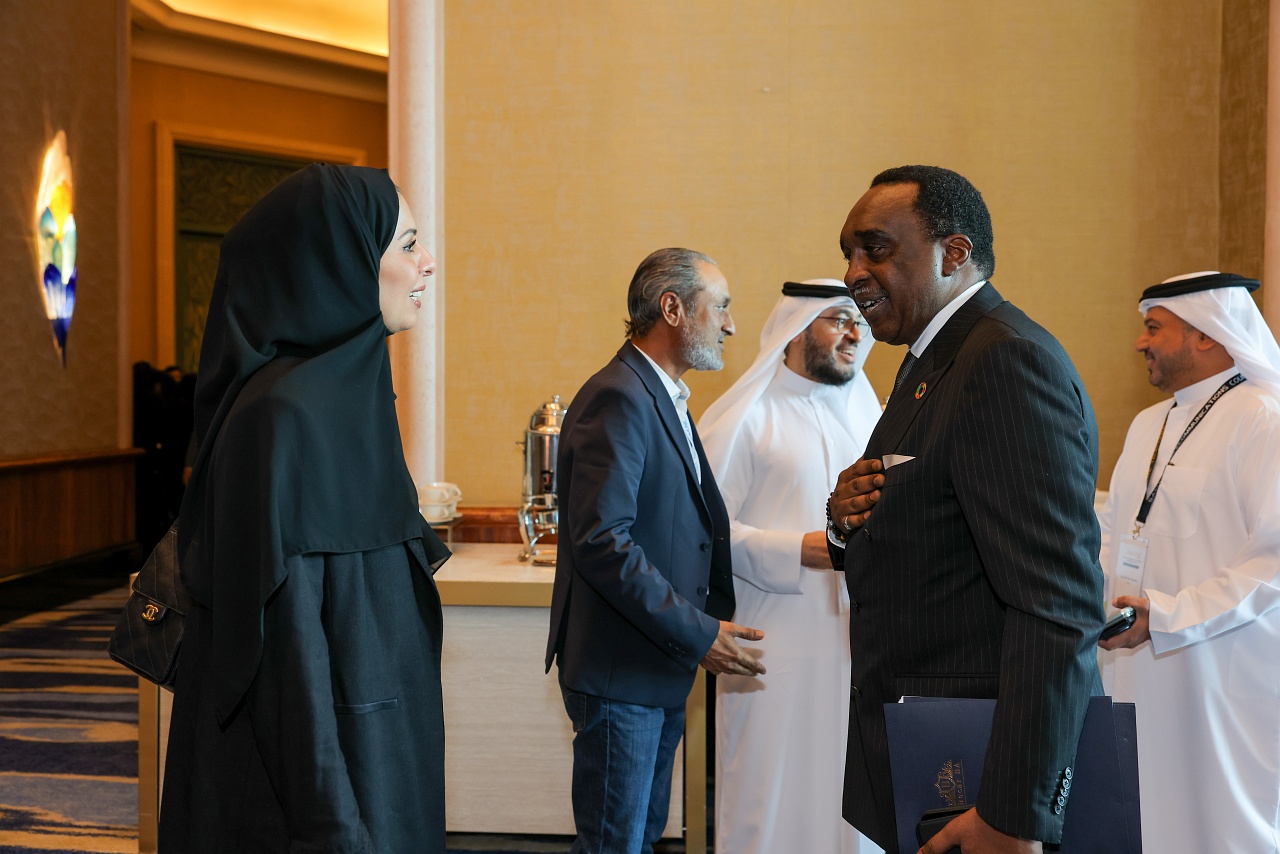
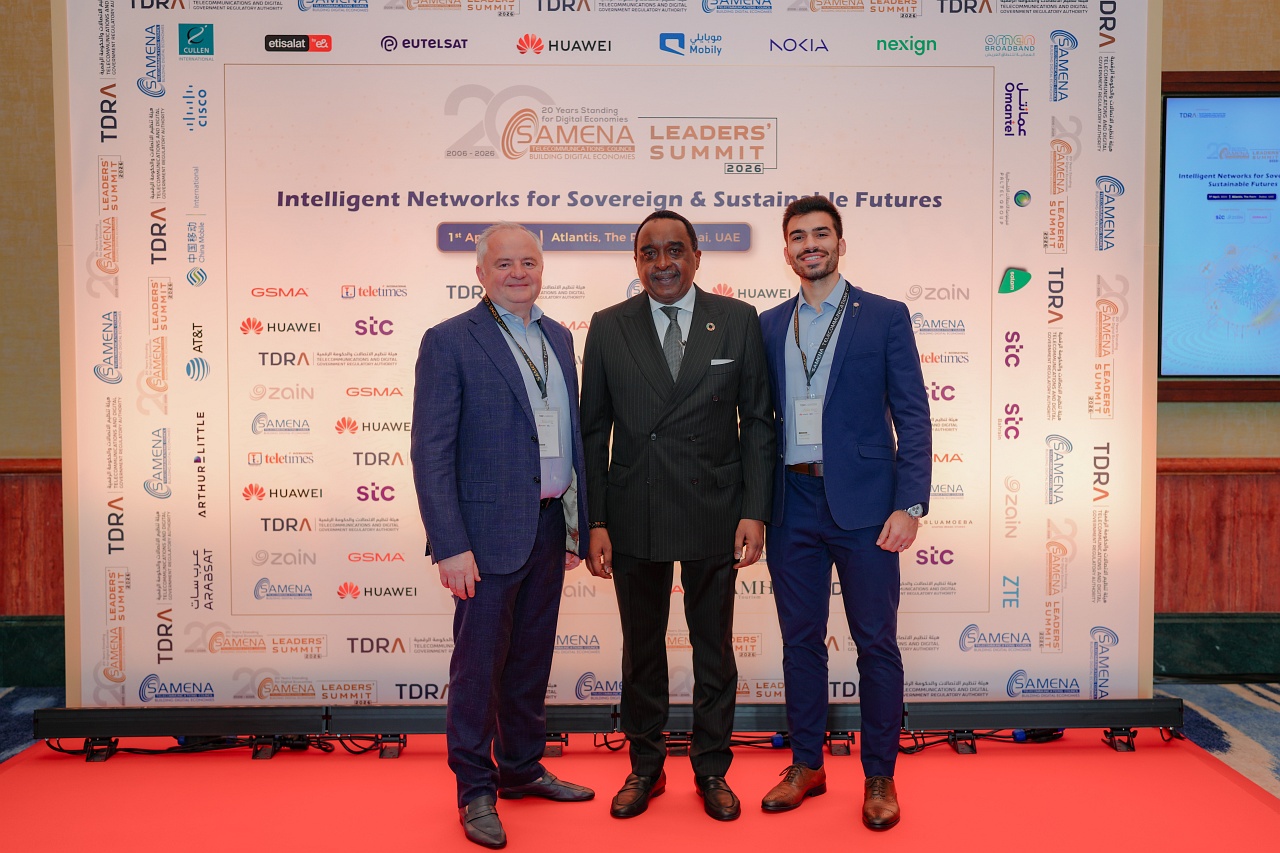
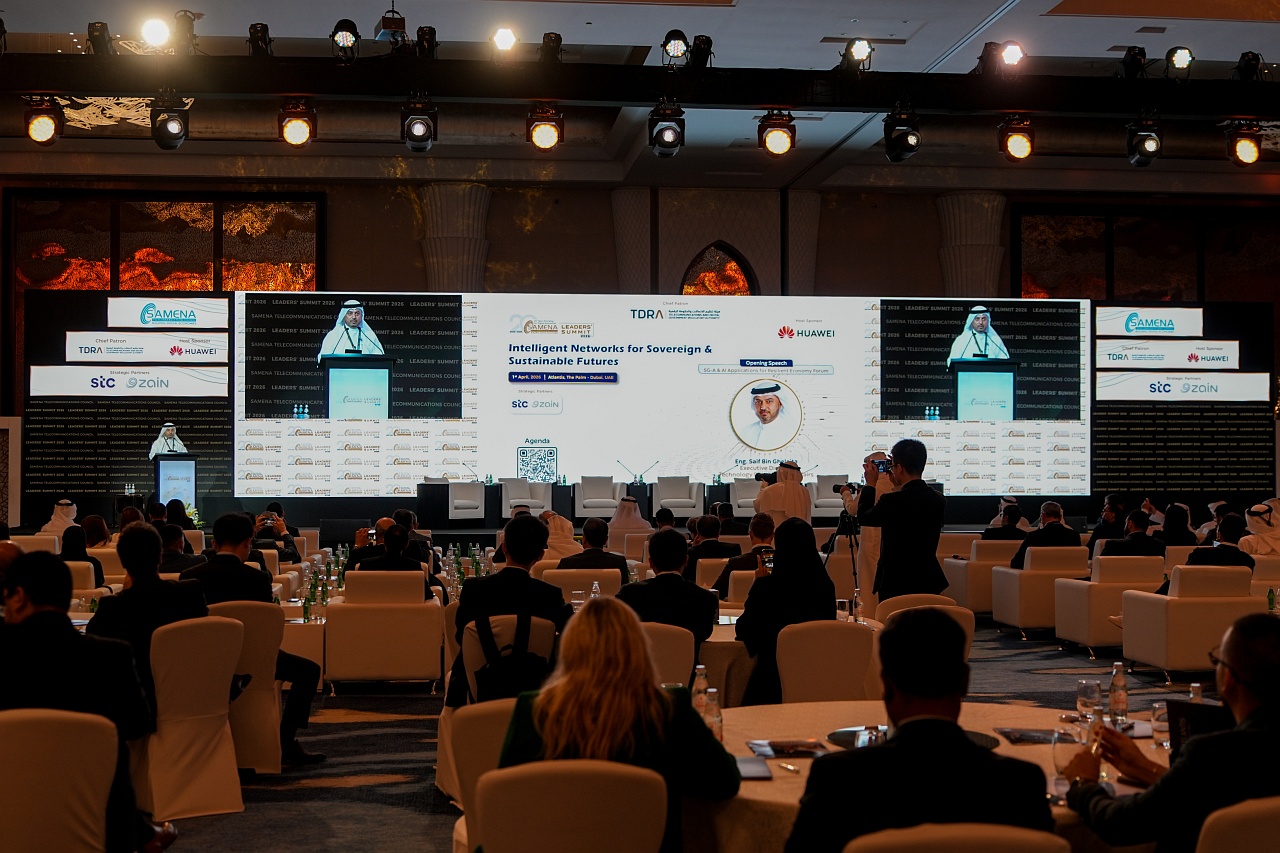
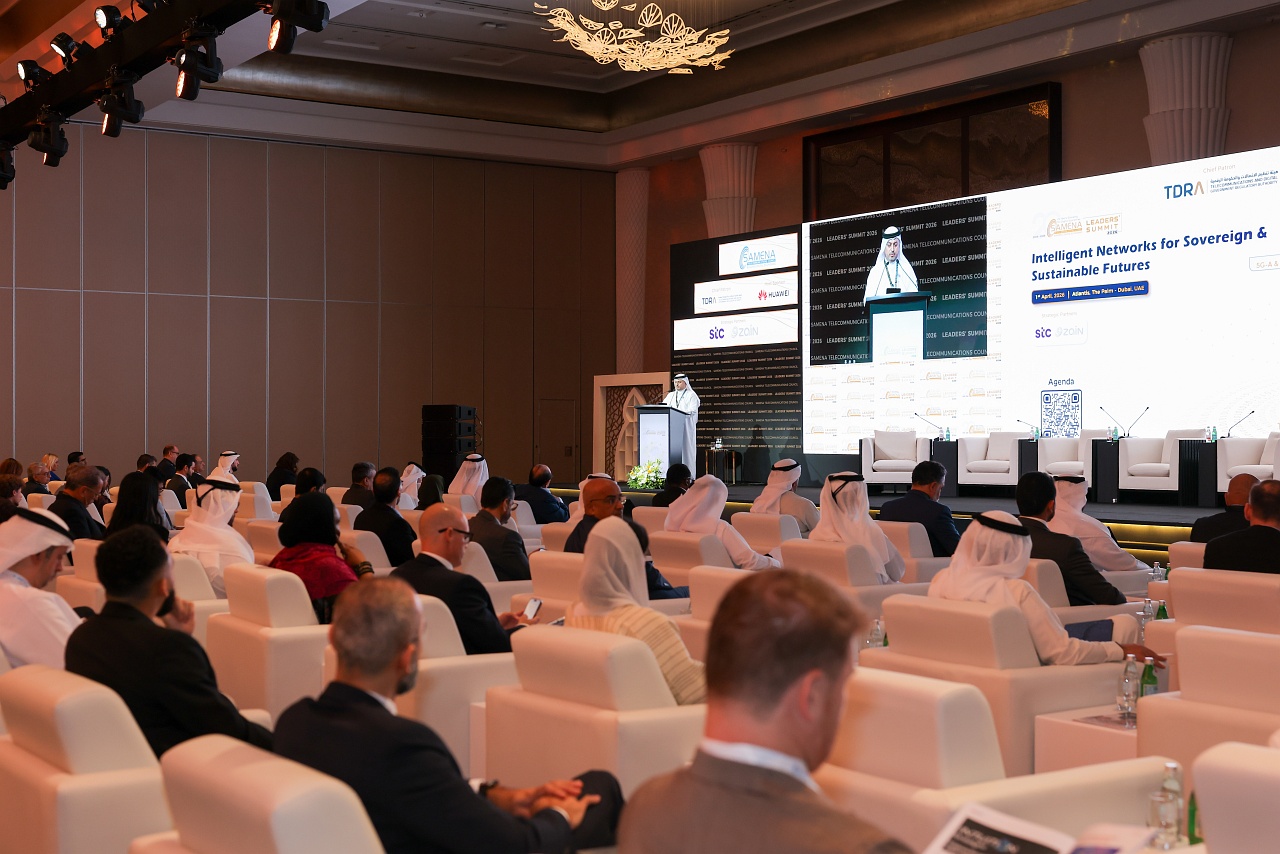
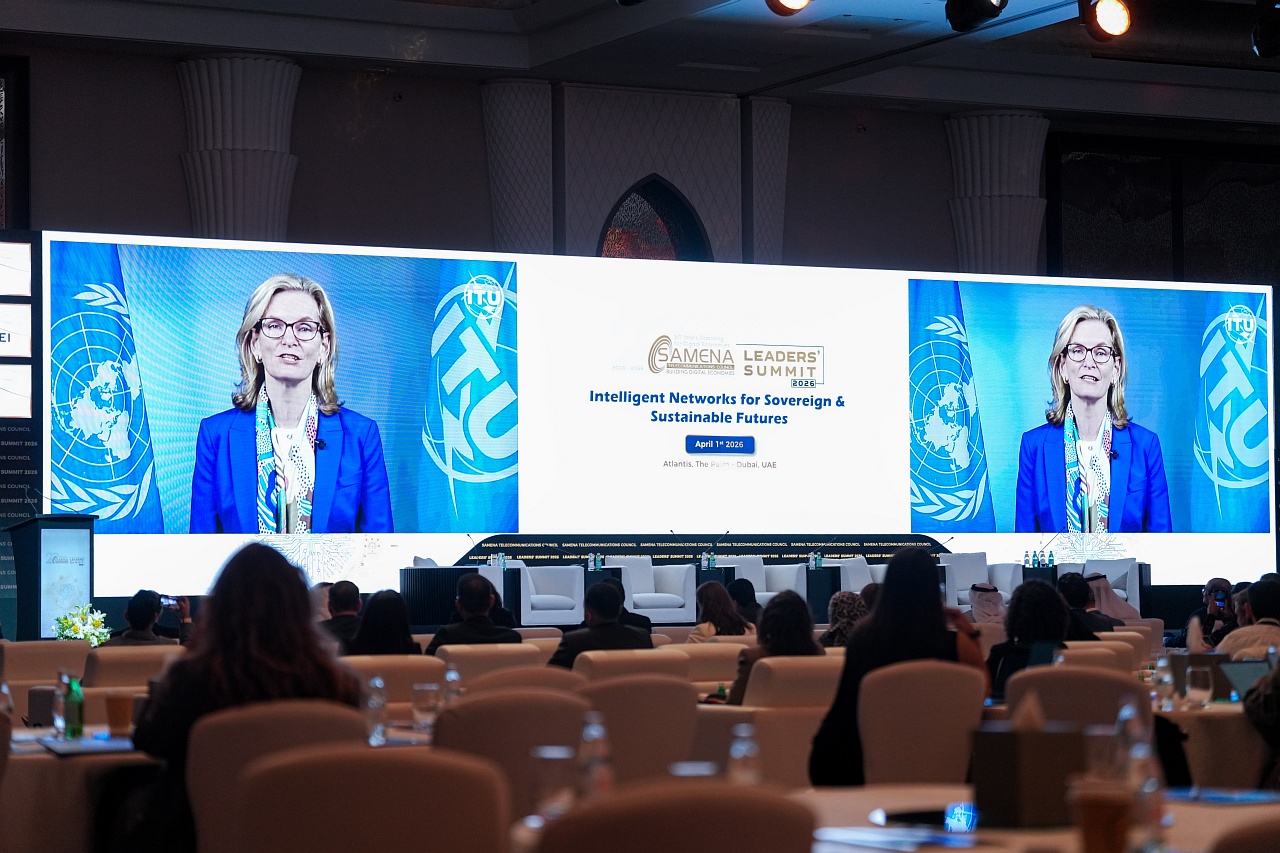
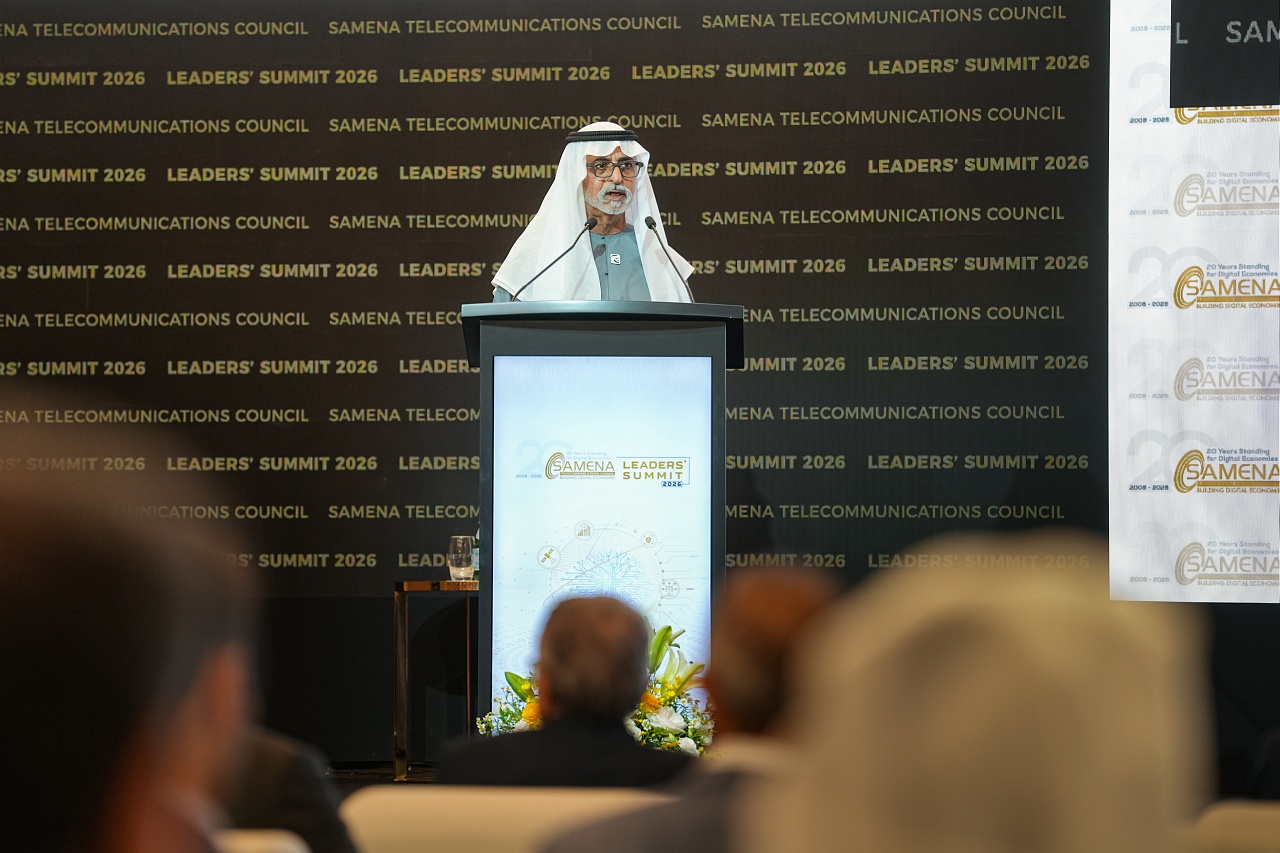
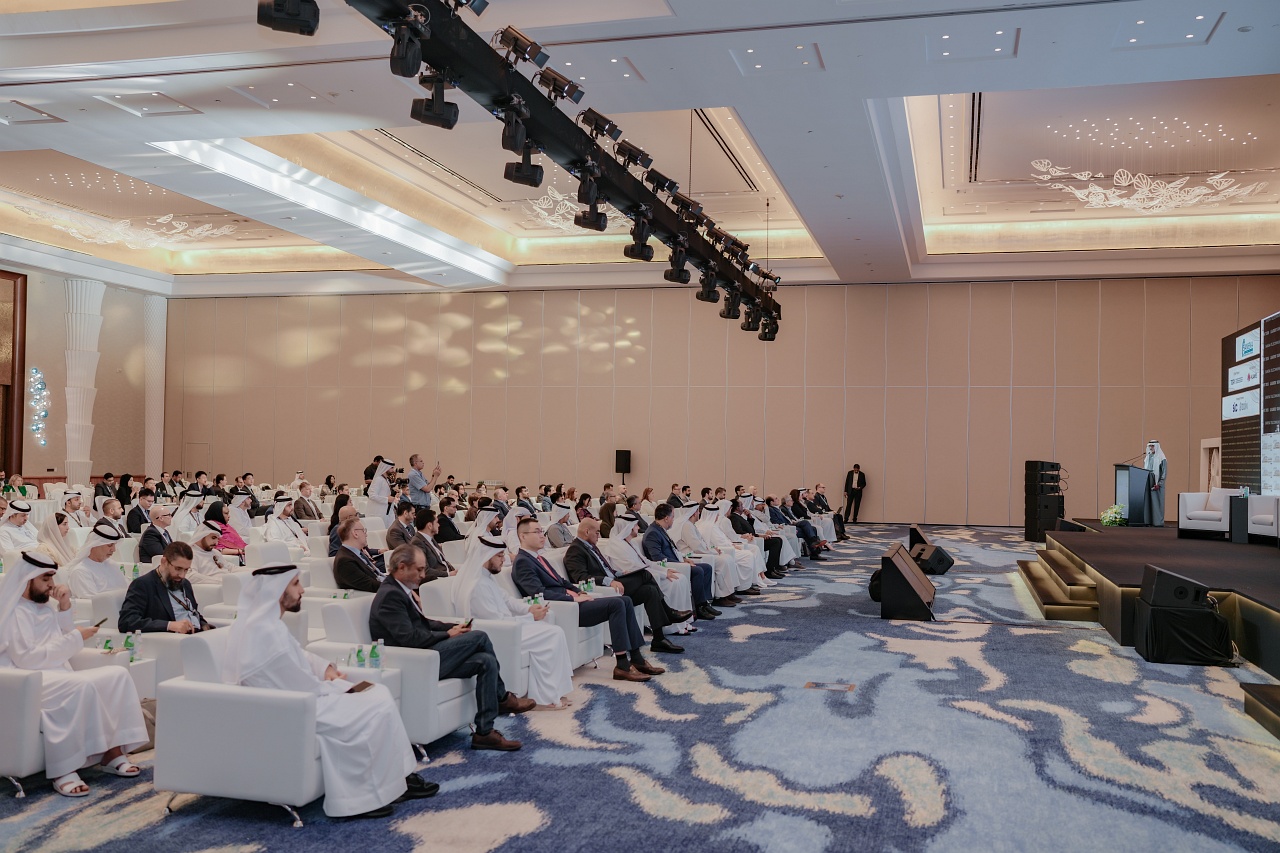
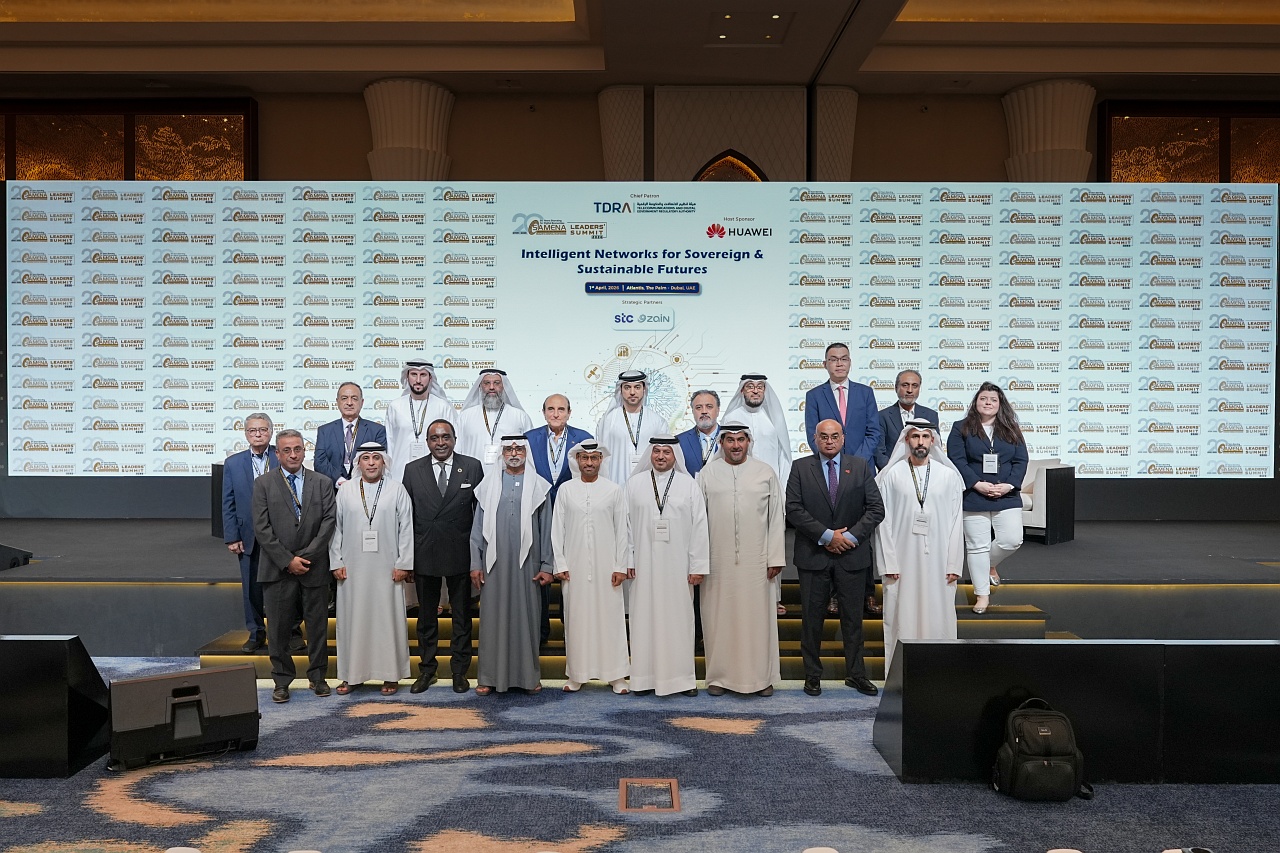
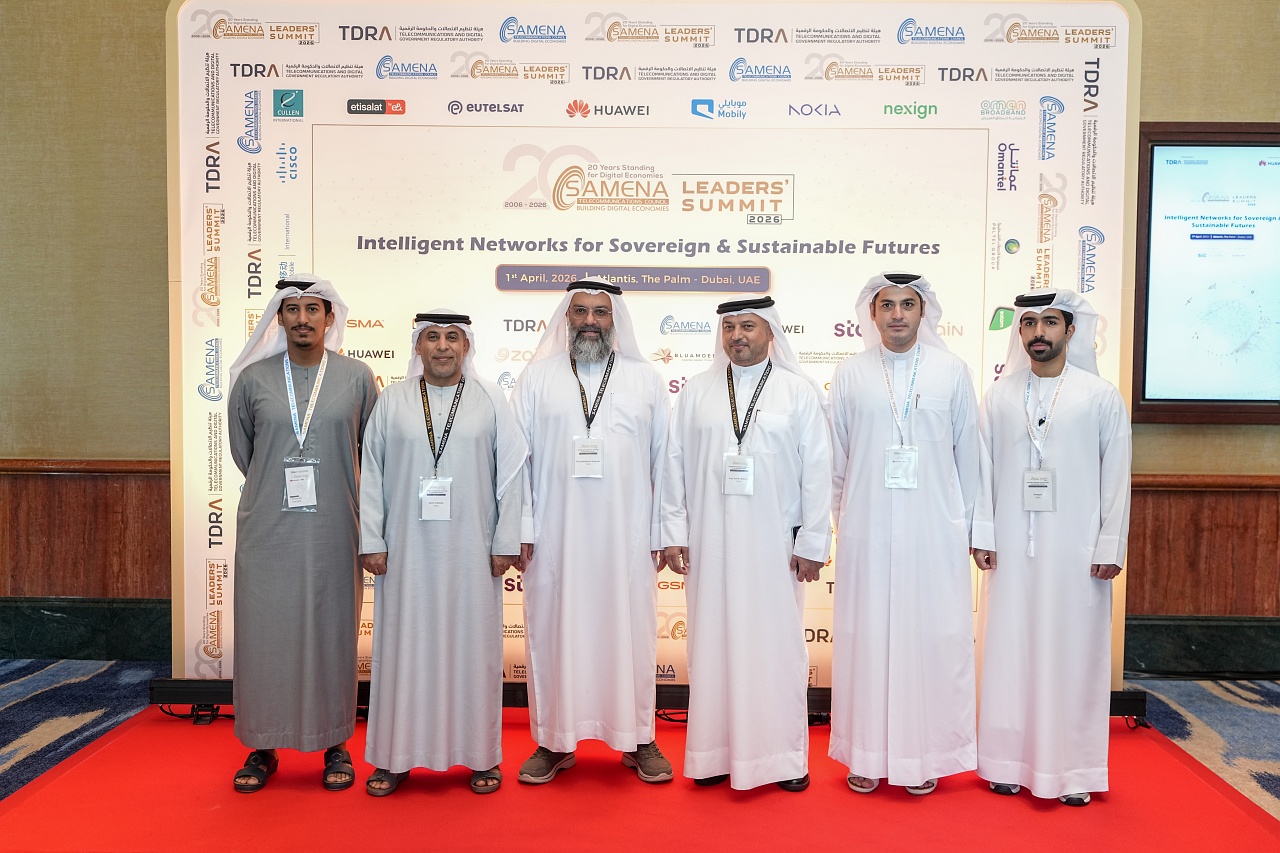
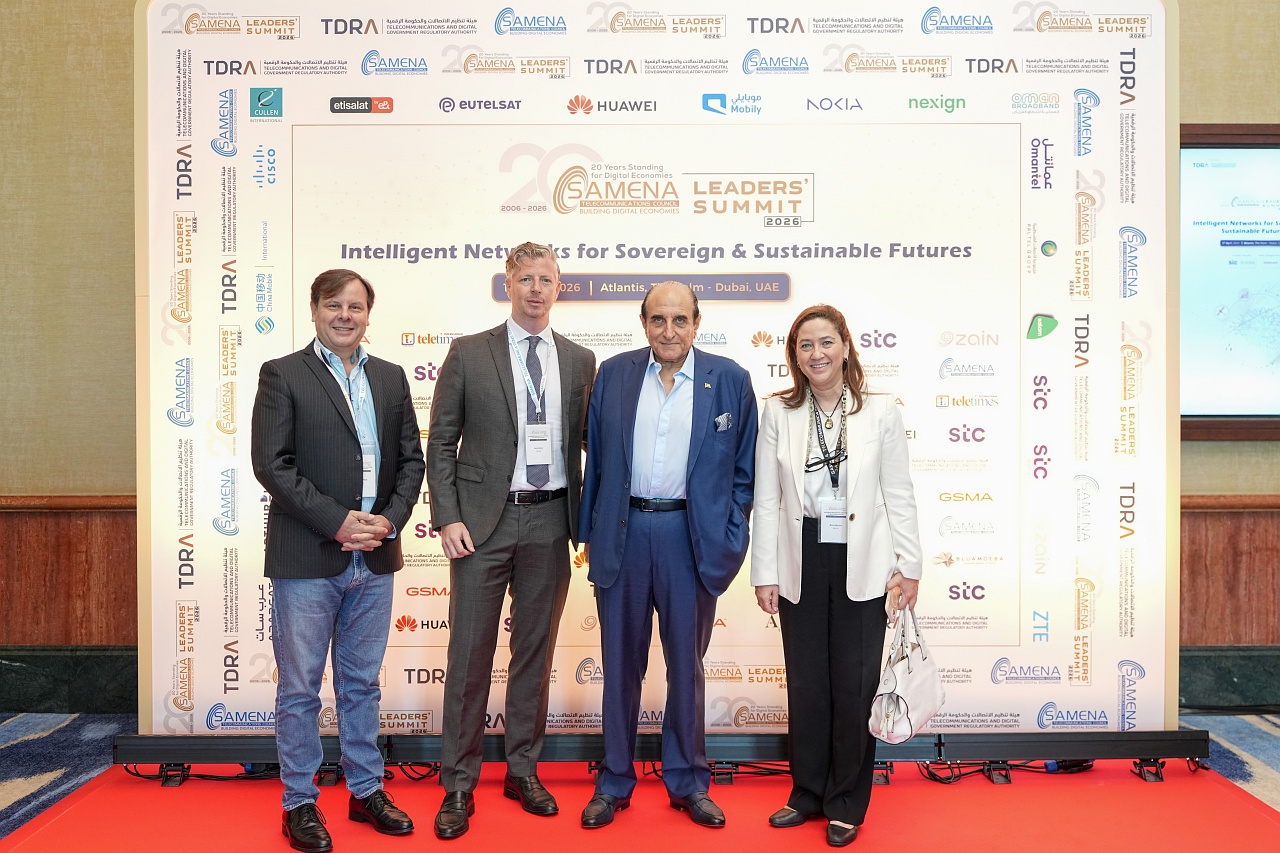
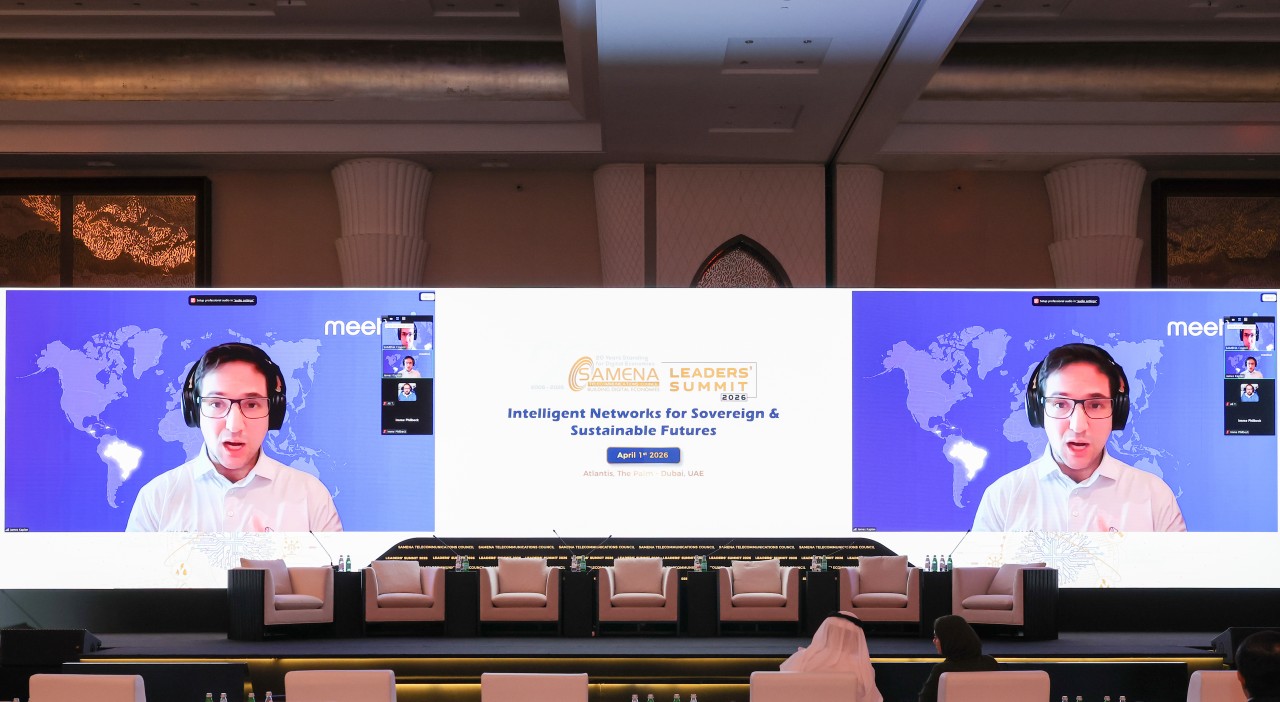
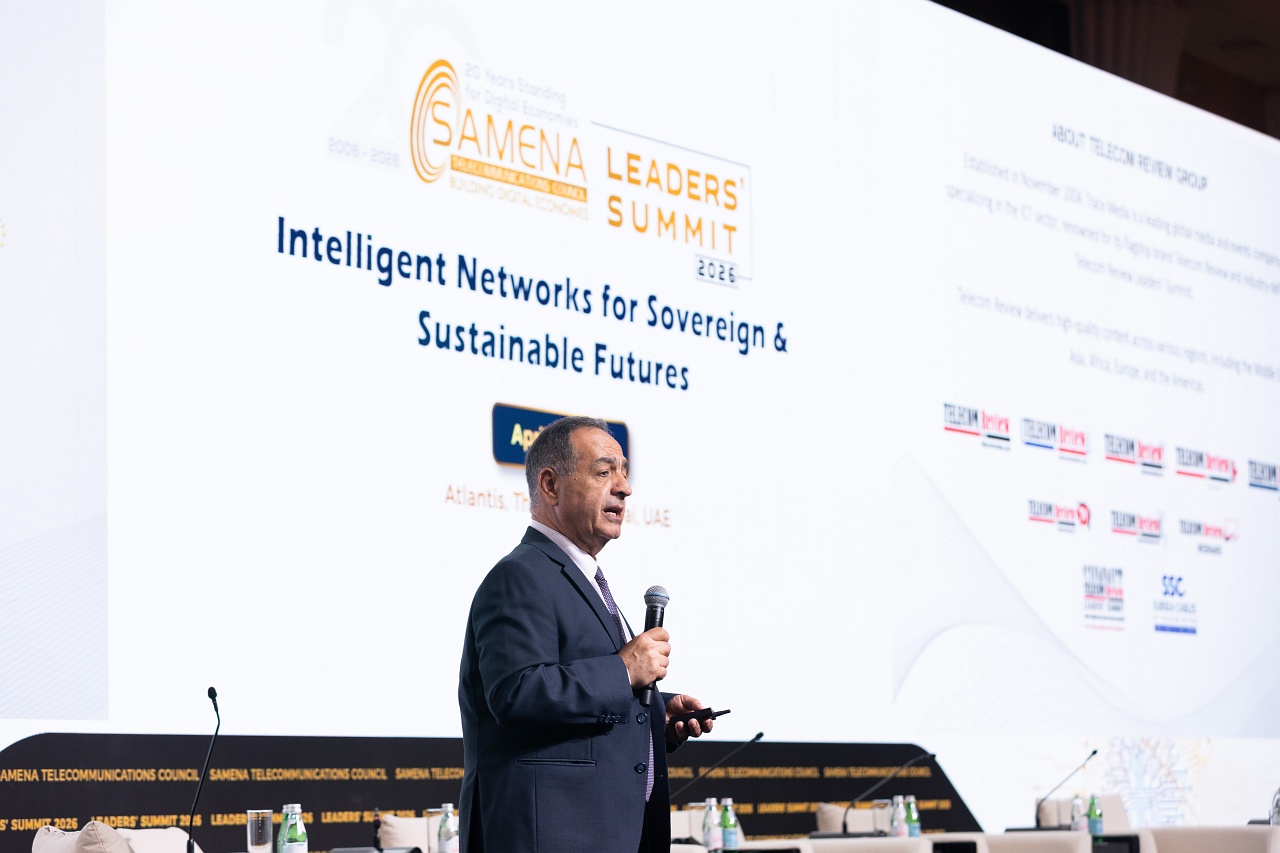
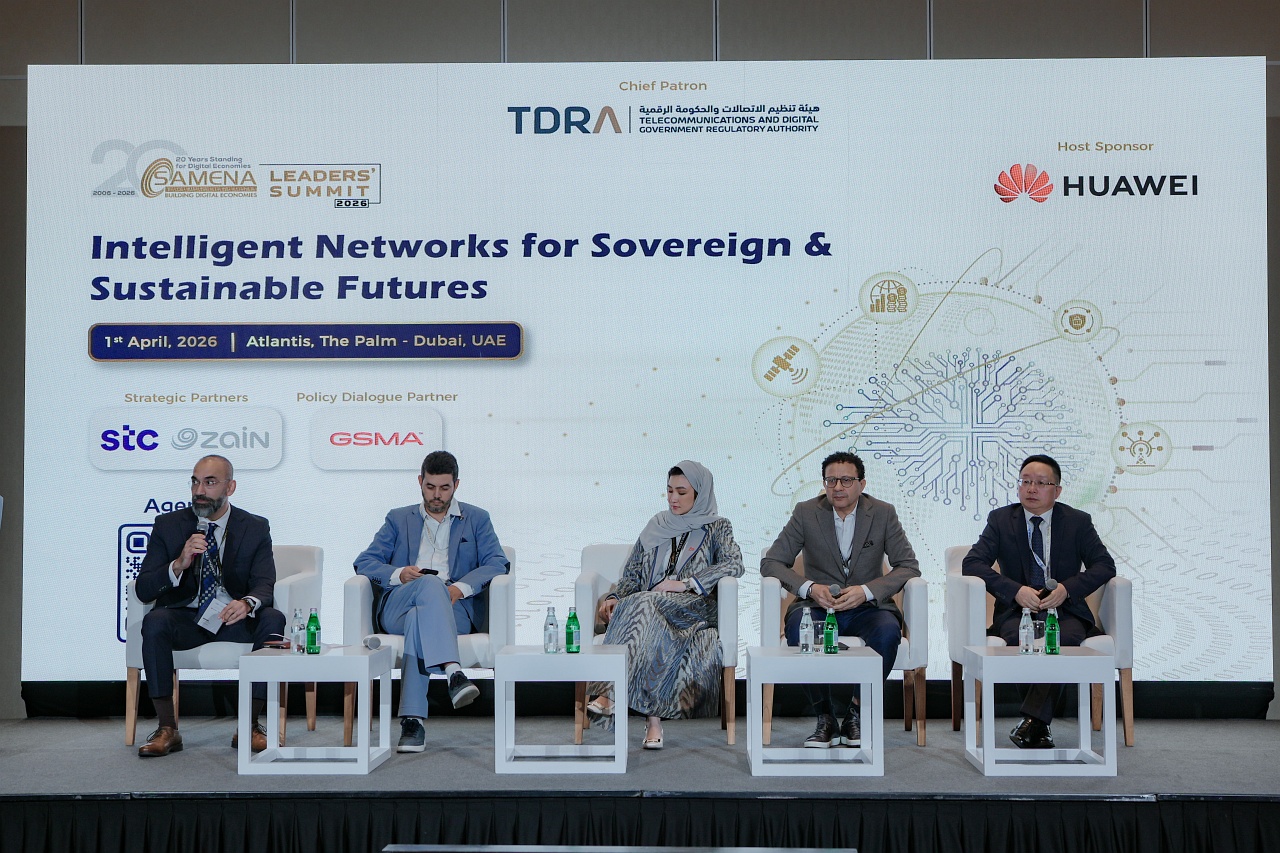
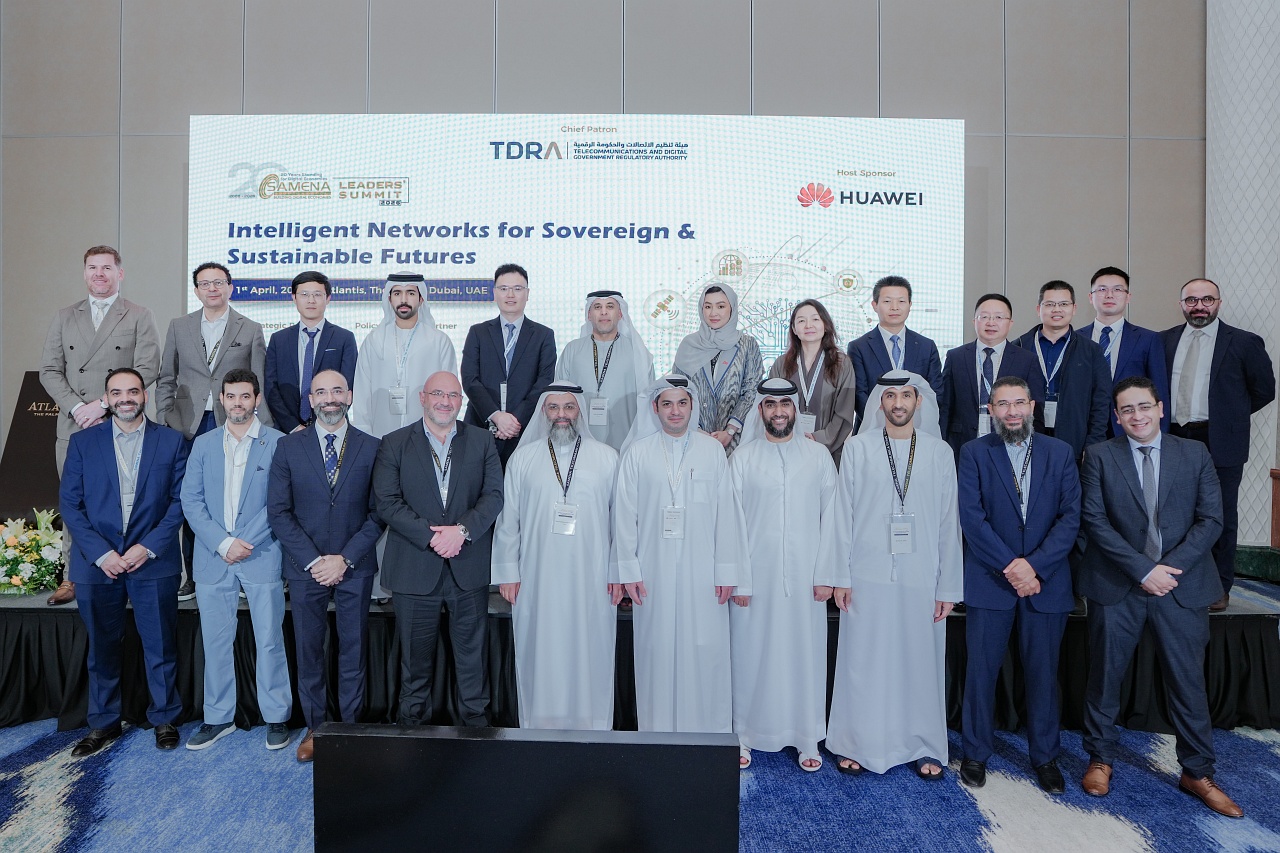
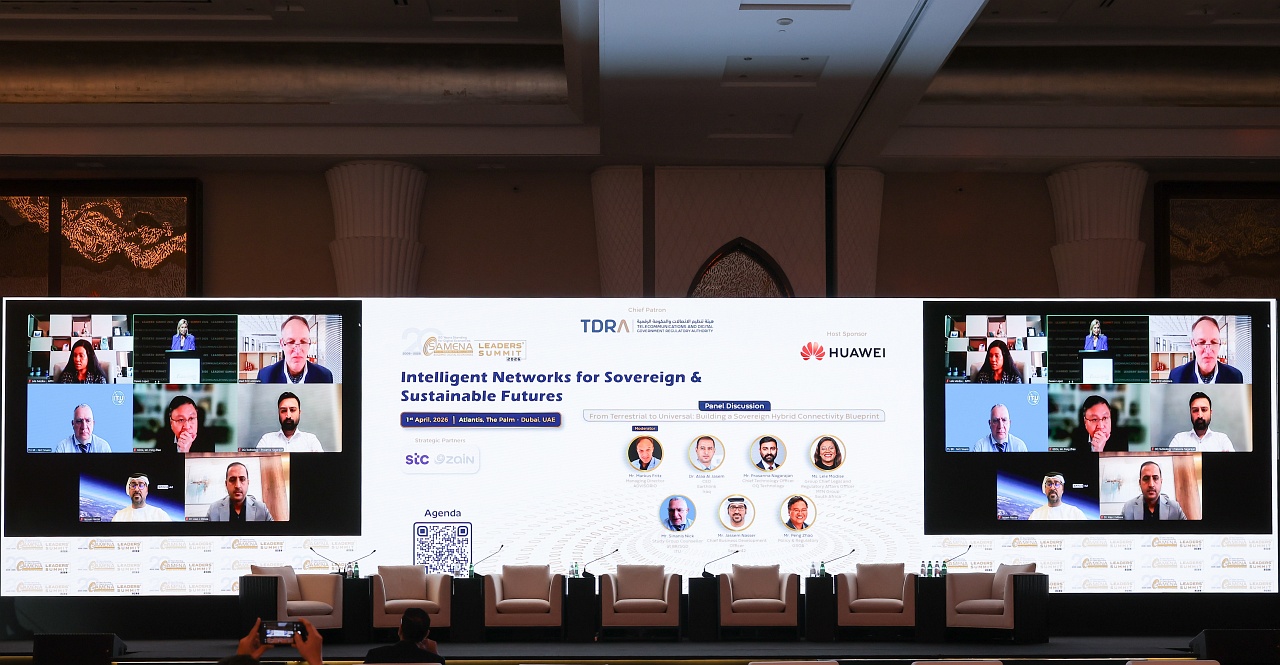
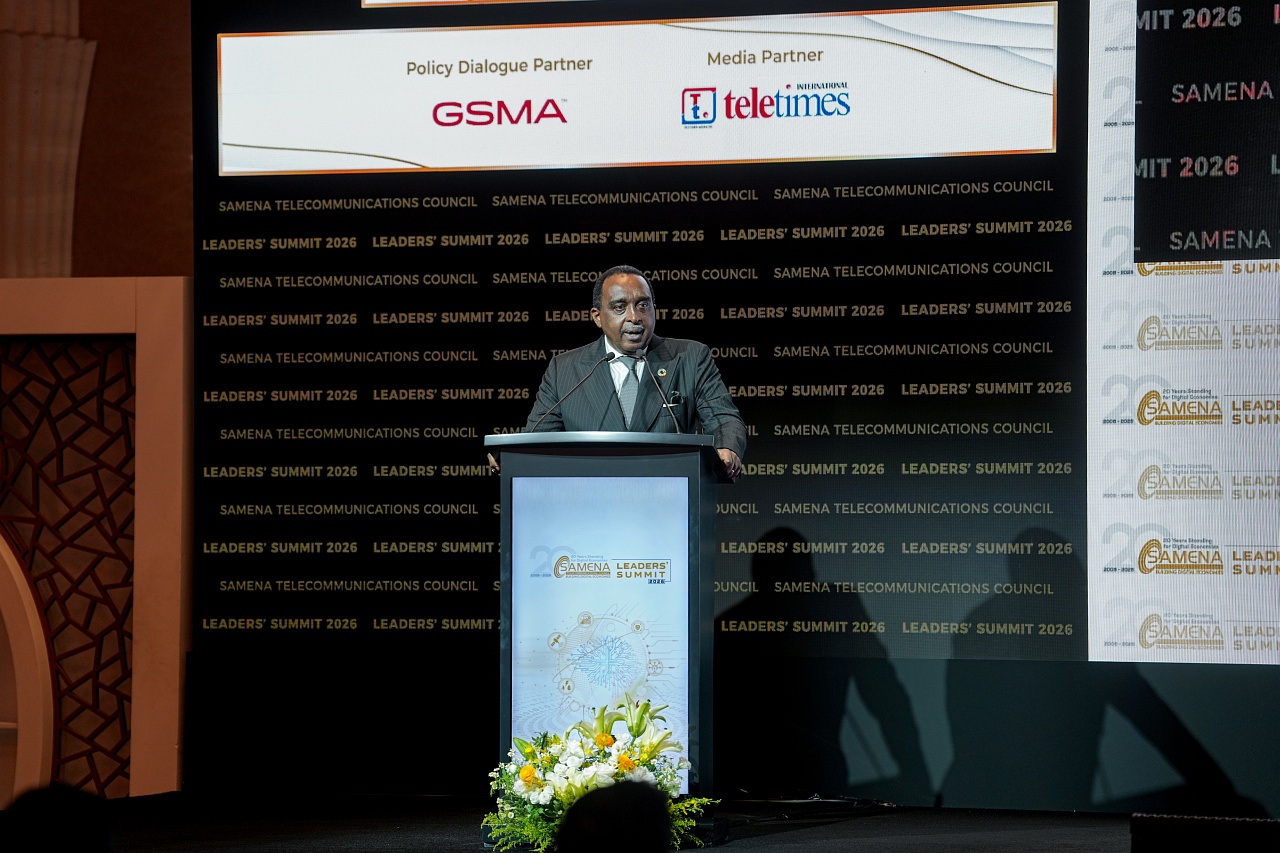
The 2026 Summit is not only a celebration of SAMENA Council’s two decades of industry support and contributions to the ICT ecosystem, it is a defining moment to shape the next twenty years of digital growth and innovation across the region. In a technology and business landscape, where rapid convergence between telecommunications, artificial intelligence, and space-based connectivity is driving change and innovation, the Leaders’ Summit 2026 will explore how intelligent networks can enable sovereign and sustainable futures. Leaders and experts will discuss AI-native and autonomous networks, the evolution of 5G-Advanced, future-ready broadband, and hybrid connectivity integrating terrestrial, satellite, and device-to-device technologies. The Summit will also examine edge and distributed intelligence, national strategies for sovereign AI, cybersecurity and trust, sustainable digital infrastructure, ecosystem and operator transformation, and the emergence of new value chains defining the digital economy.

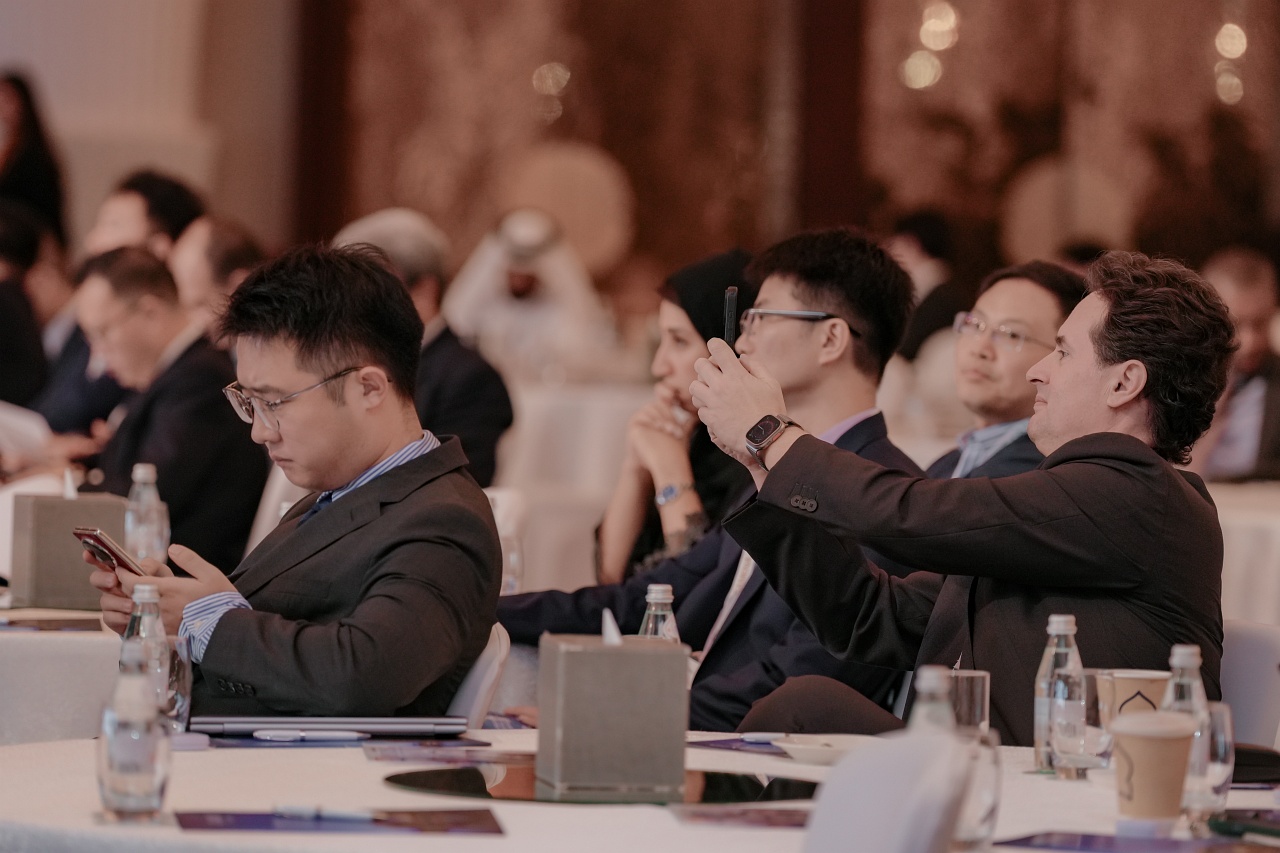
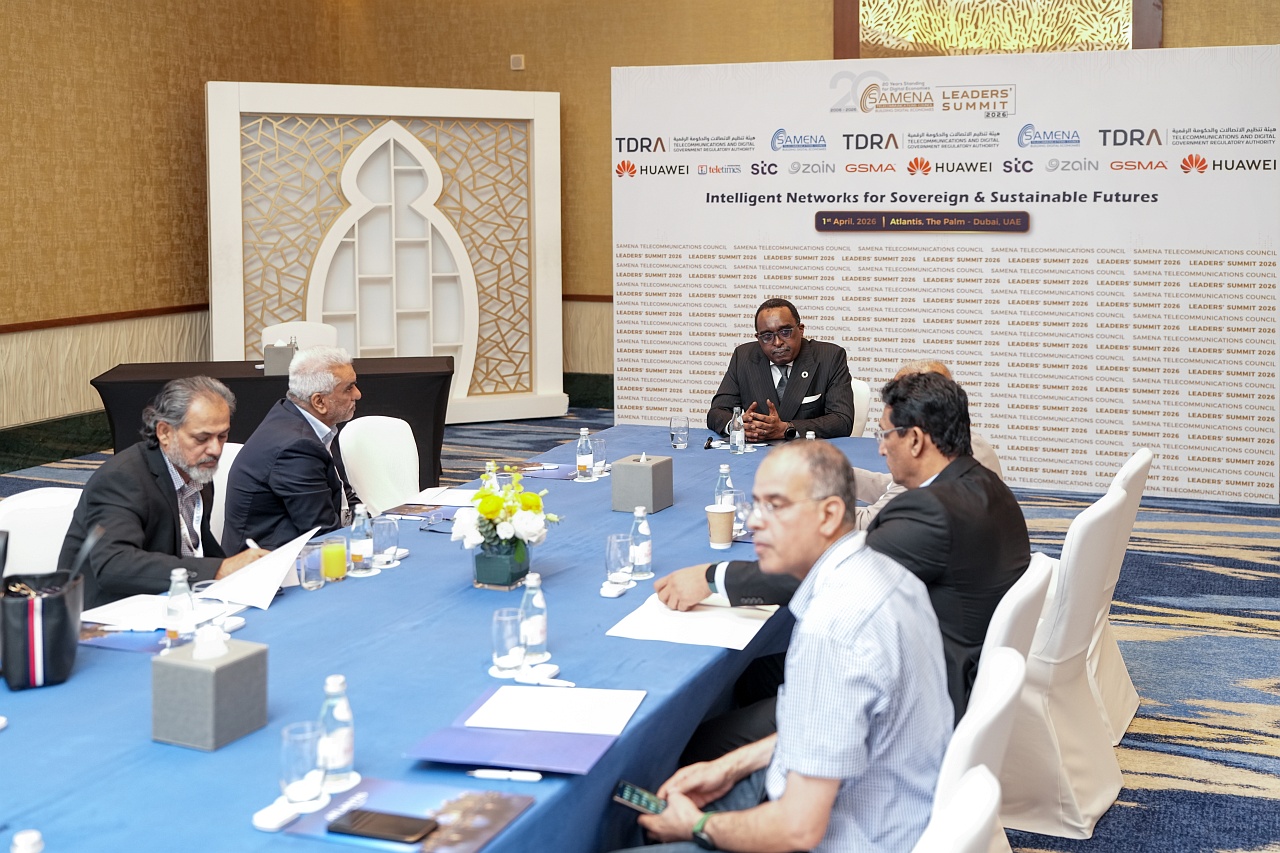
The SAMENA Council Leaders’ Summit offers a collaborative, workshop-centric experience to exchange ideas and receive inspiring leadership knowledge from prominent CEOs and Chairmen from the Telecom & ICT sector from the SAMENA region and beyond.

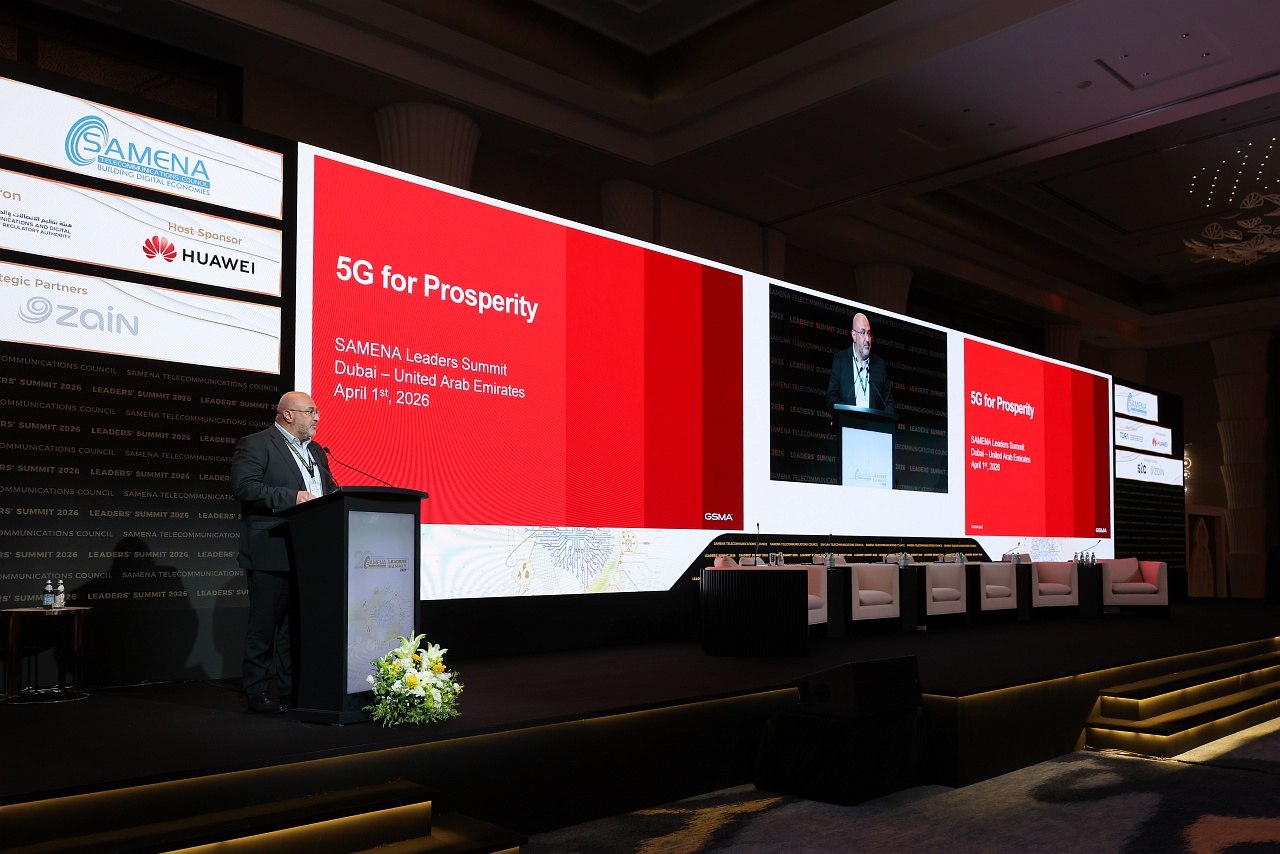
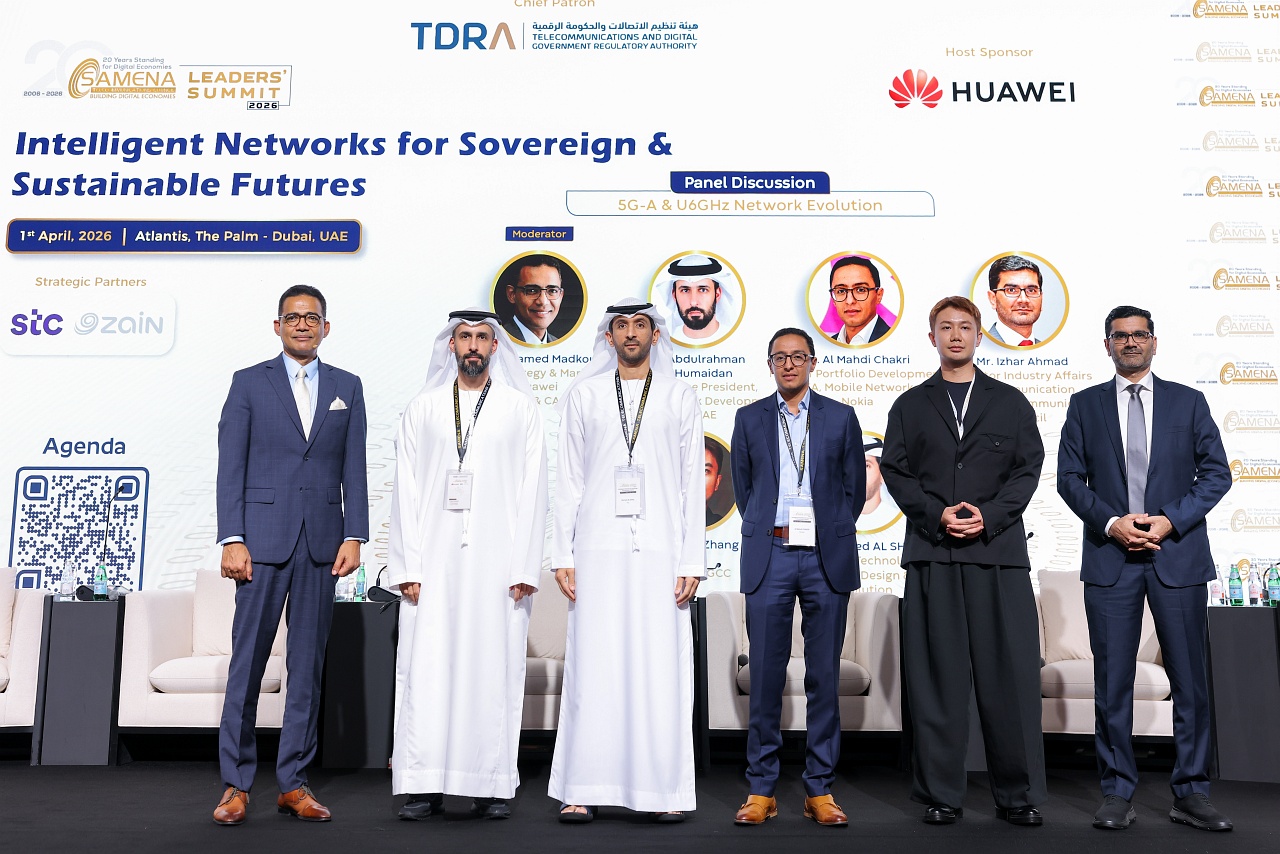
1st April, 2026

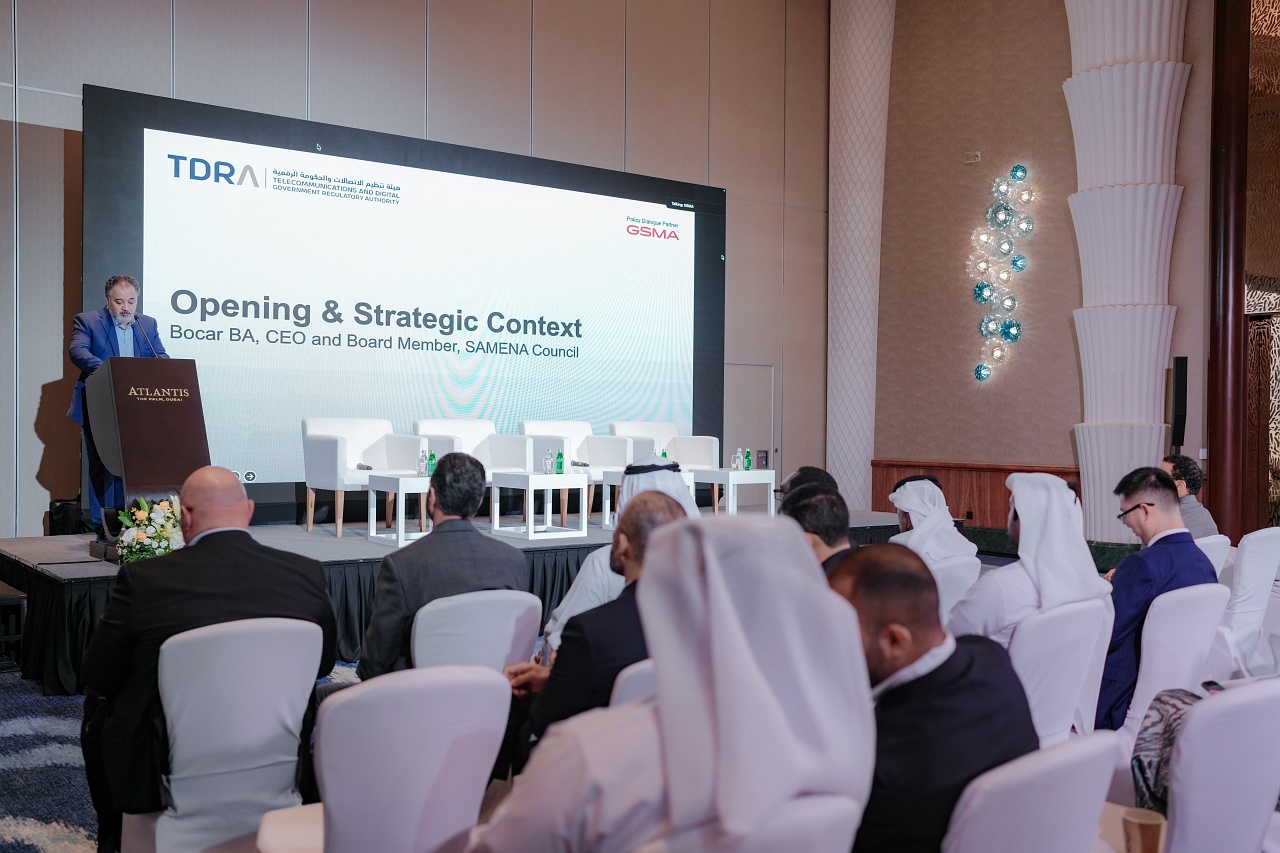
Atlantis, The Palm - Dubai, UAE

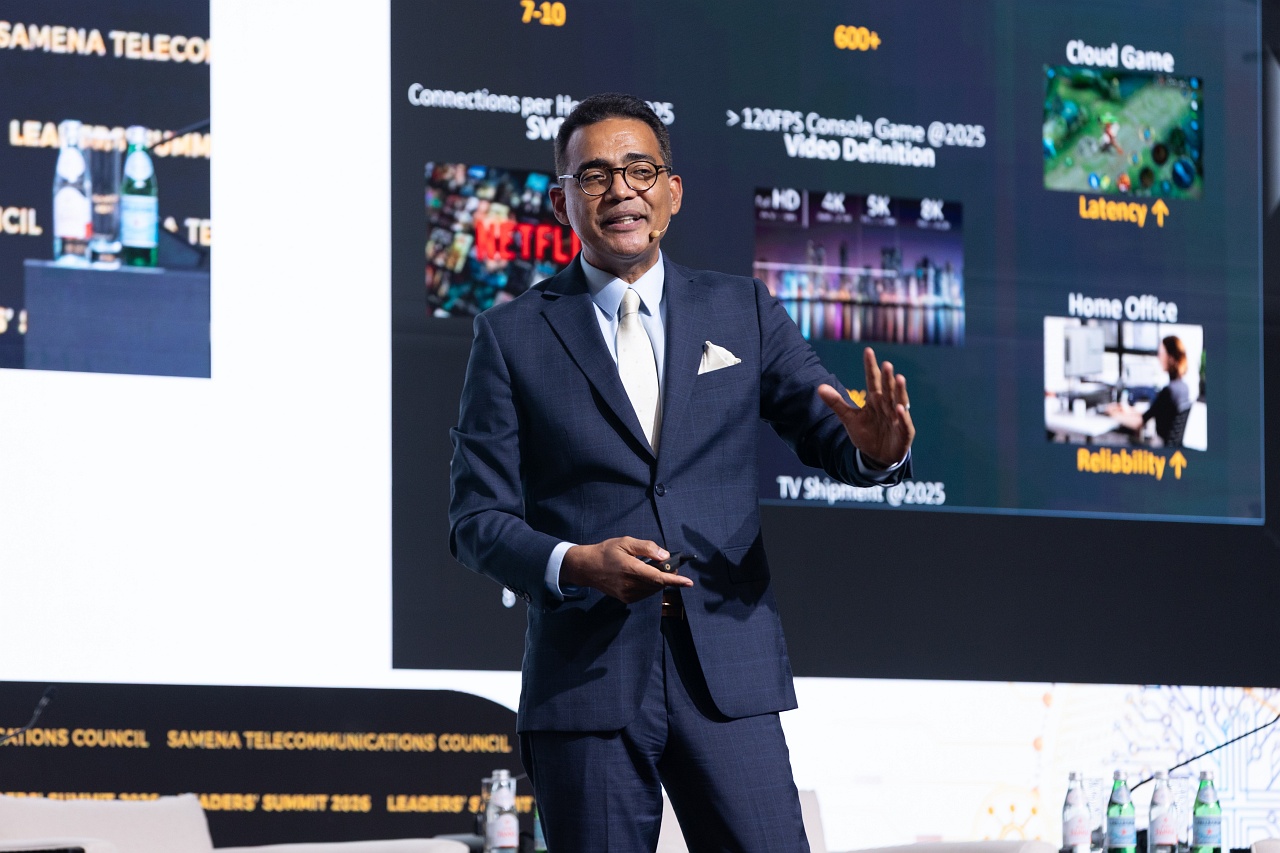
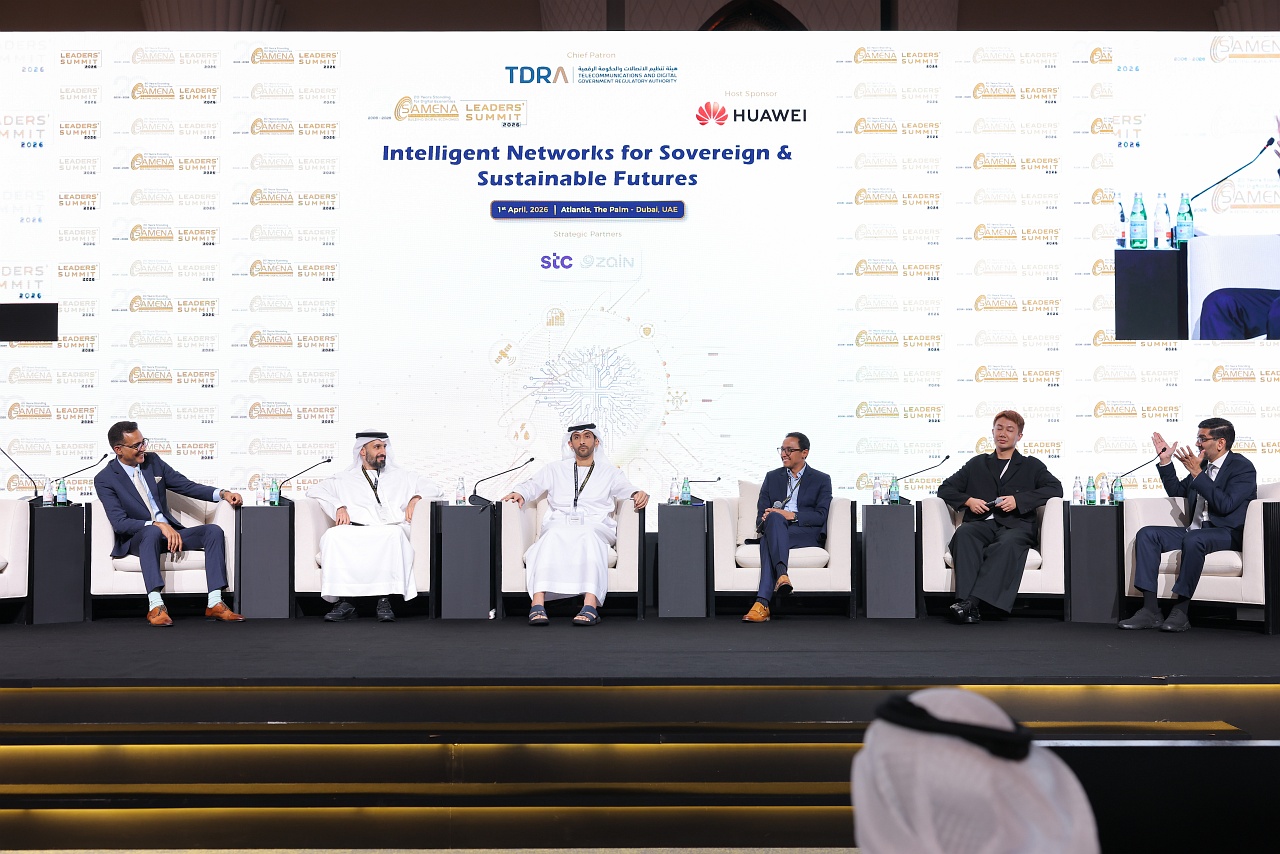
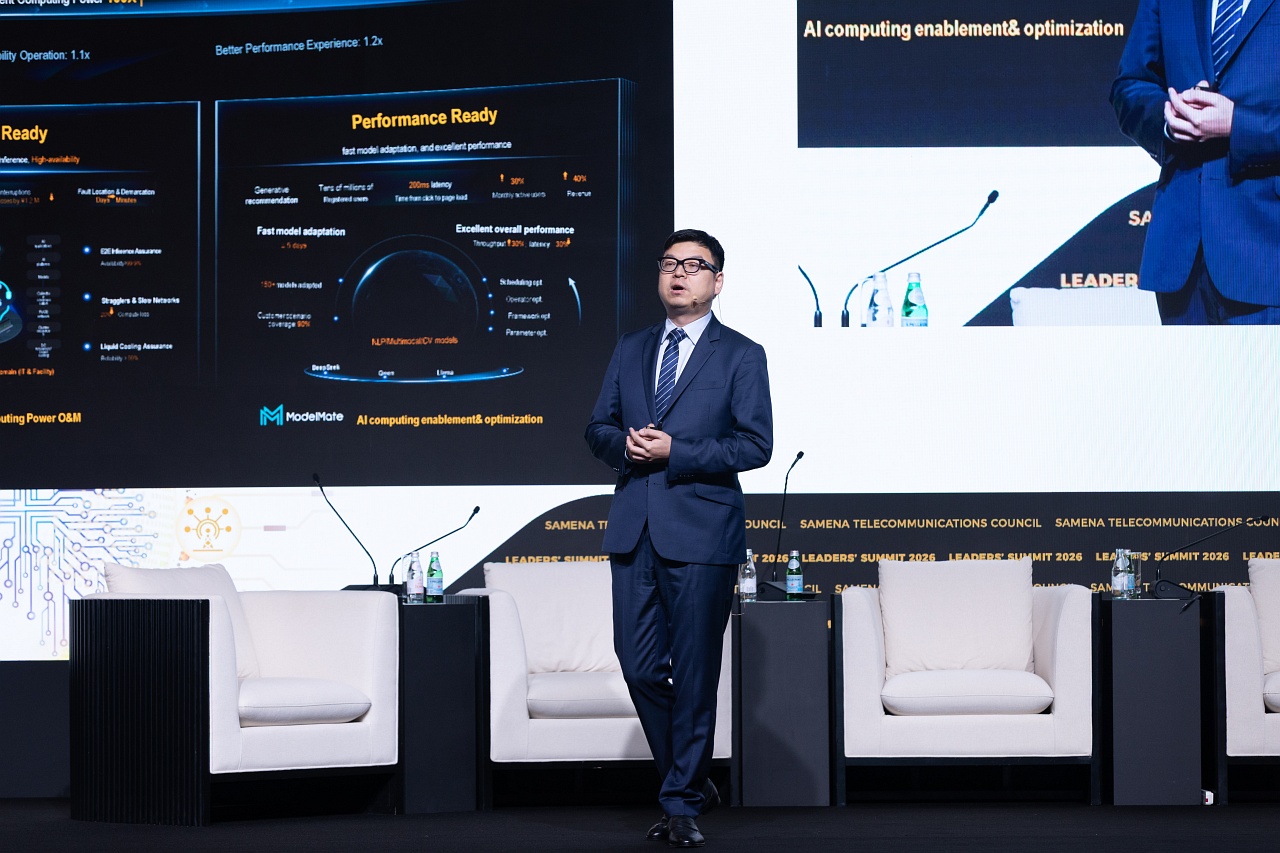
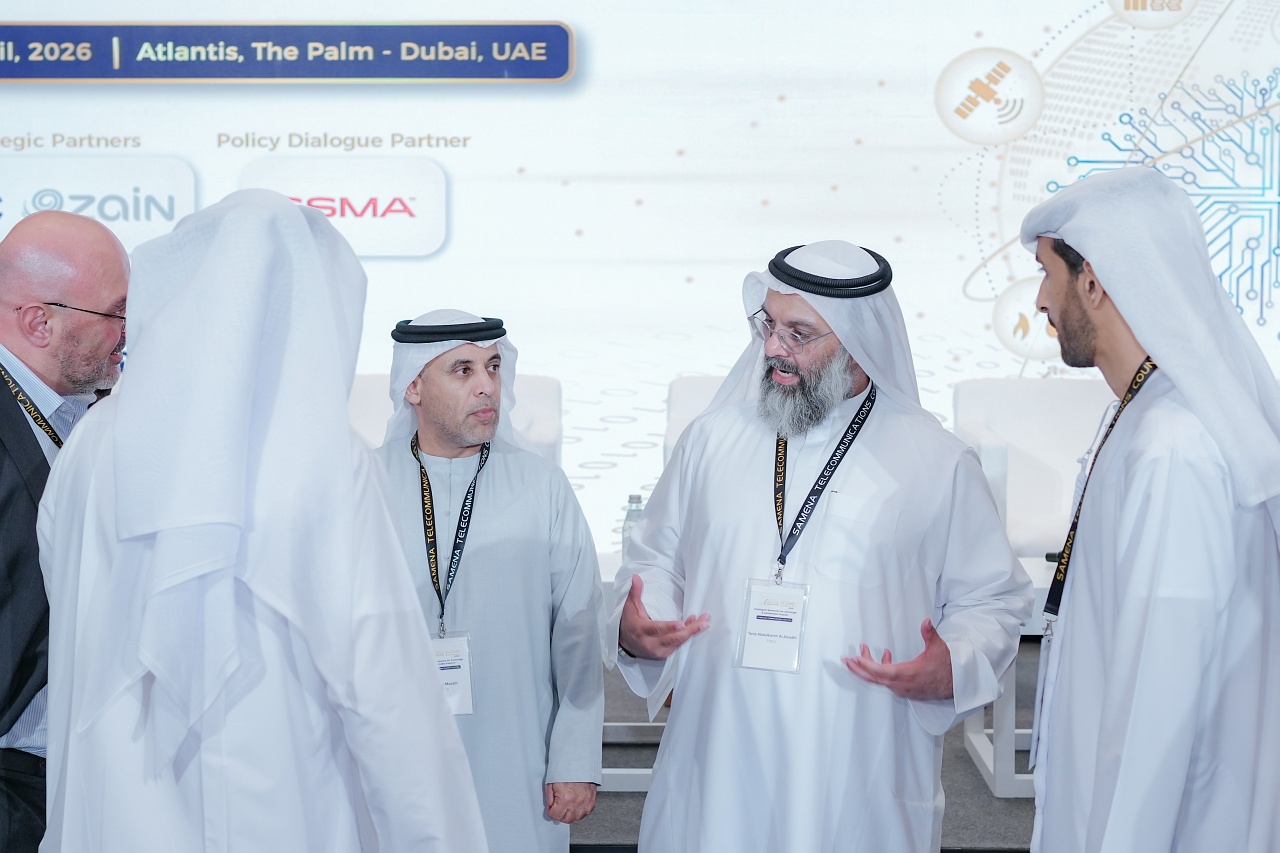
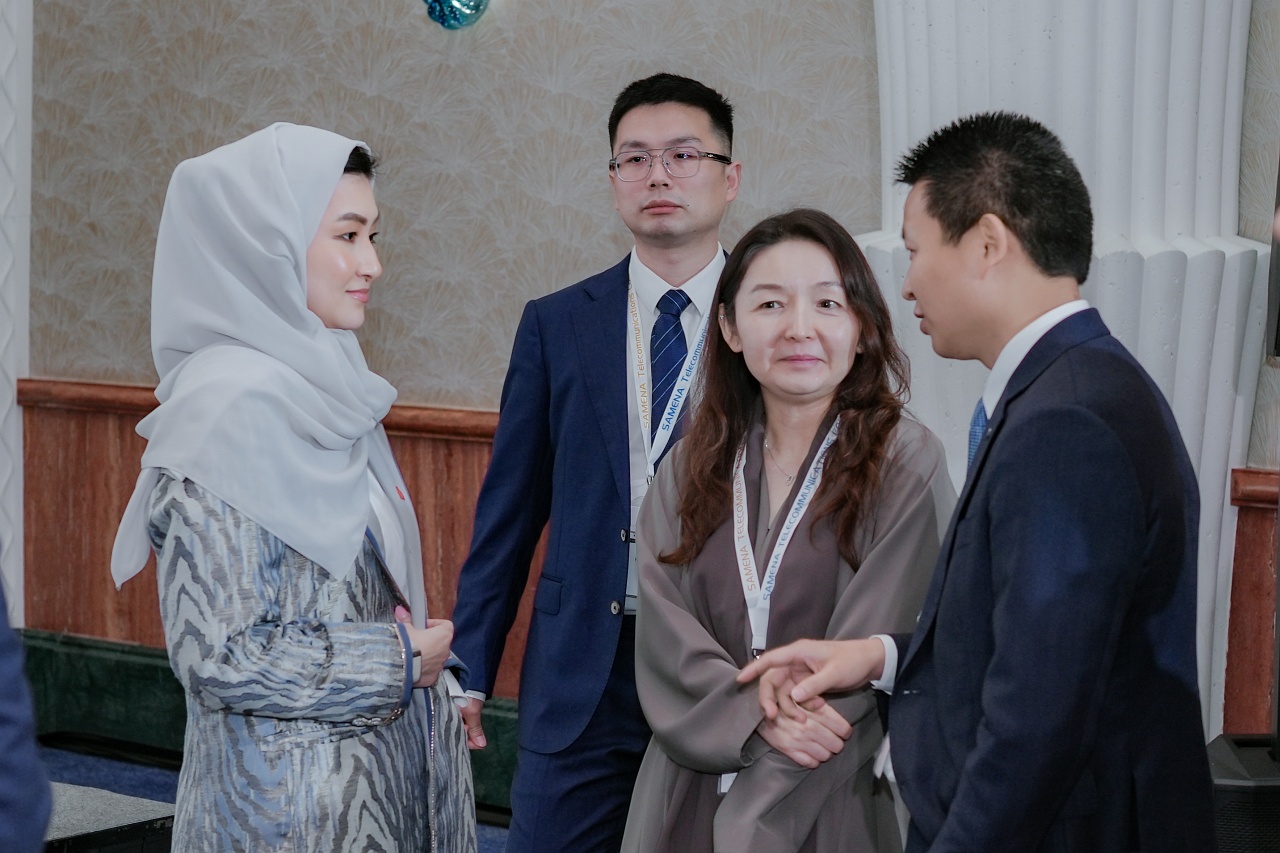
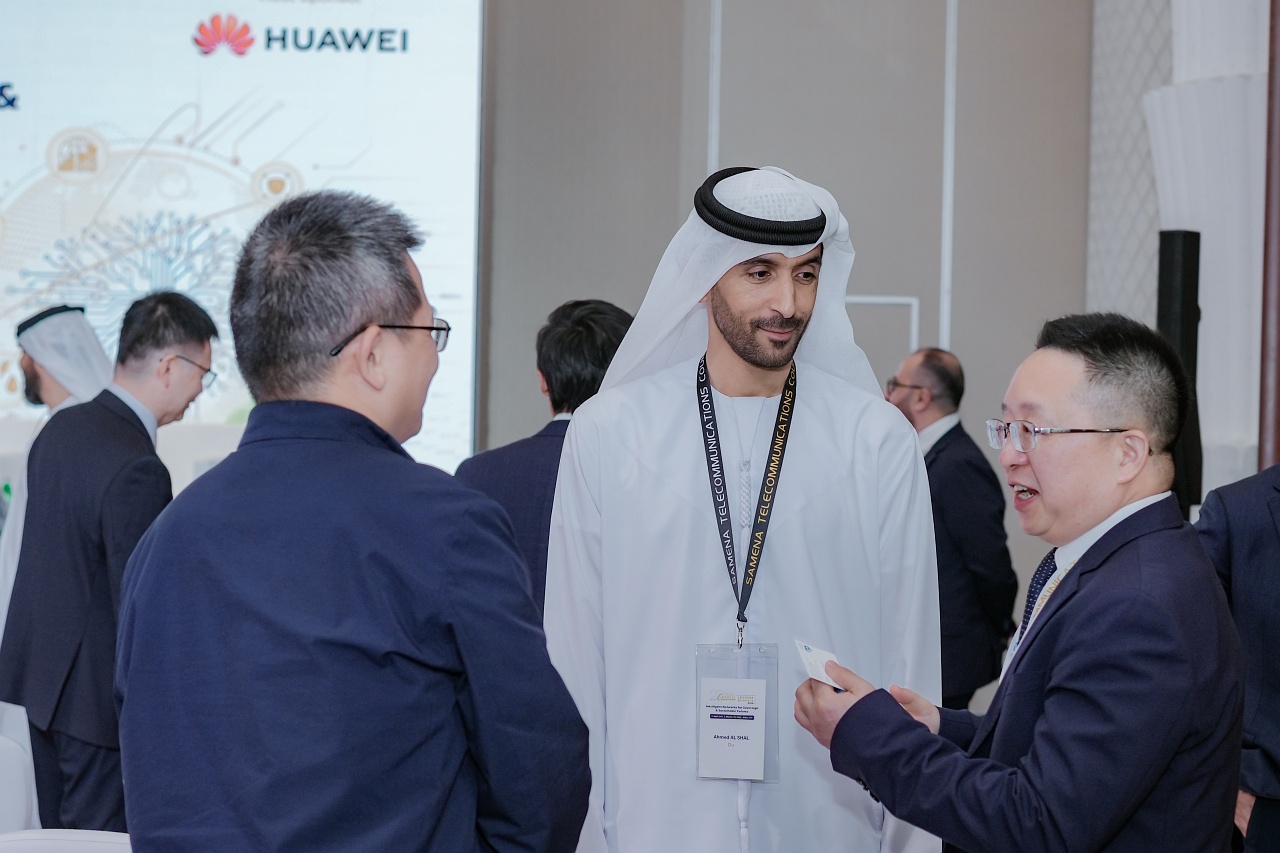
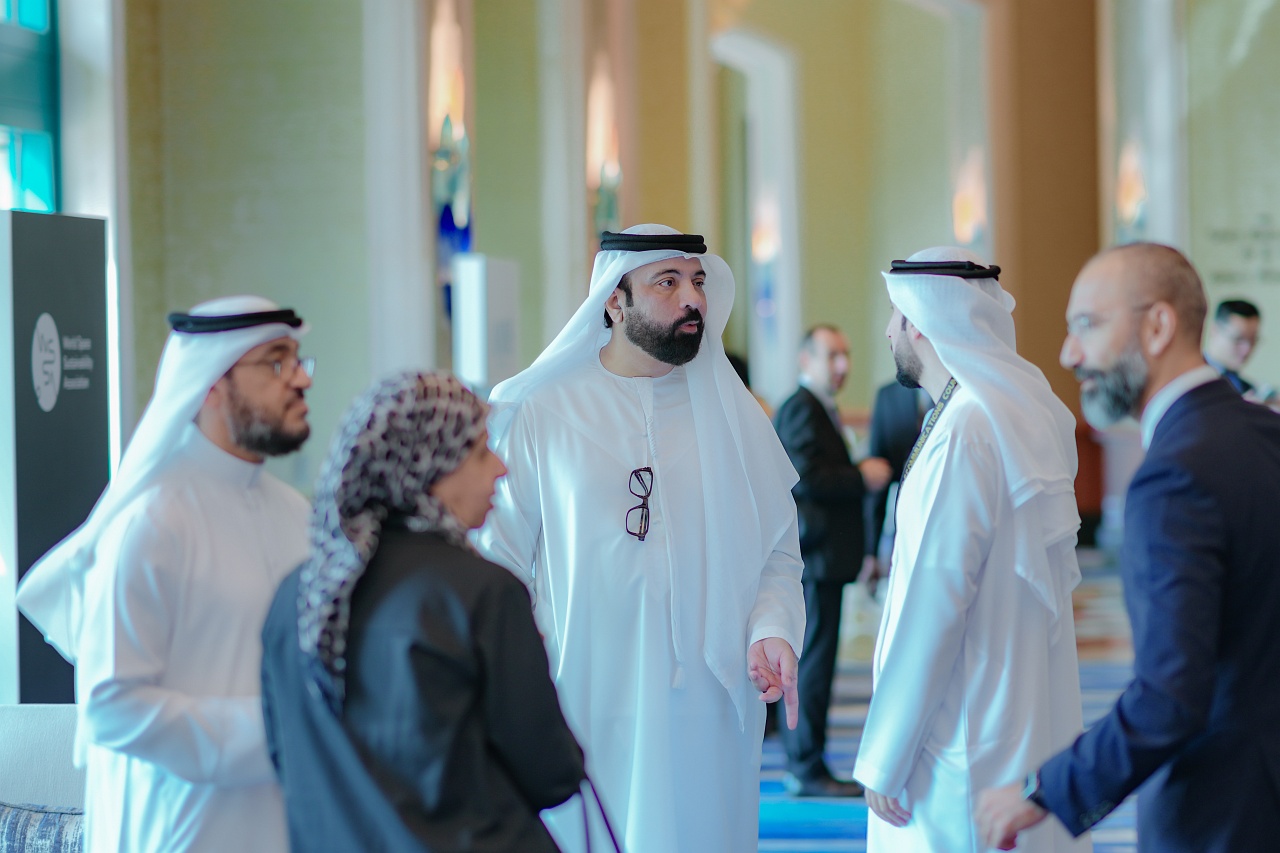

AI-driven automation improving network operations, efficiency, reliability, accountability, and service delivery.

Enhancing network performance, enterprise applications, monetization strategies, and commercial deployment realities.

Expanding fiber, wireless, and satellite networks ensuring affordability, resilience, and investment.

Integrating terrestrial, satellite, and device connectivity for seamless universal network coverage.

Building national AI capabilities through data governance, infrastructure, partnerships, and policy.

Strengthening network security, intelligence sharing, fraud prevention, and regulatory coordination.

Balancing infrastructure growth with energy efficiency, environmental responsibility, and cost.

Deploying edge computing enabling low-latency services, enterprise innovation, and distributed processing.

Telecom operators evolving into techcos through partnerships, innovation, and business models.

New digital revenues across enterprise services, platforms, public sector, and data.

Cross-regional collaboration shaping ICT policies, investment strategies, and regulatory alignment.

Mobilizing sustainable funding for broadband, infrastructure expansion, and digital transformation initiatives.
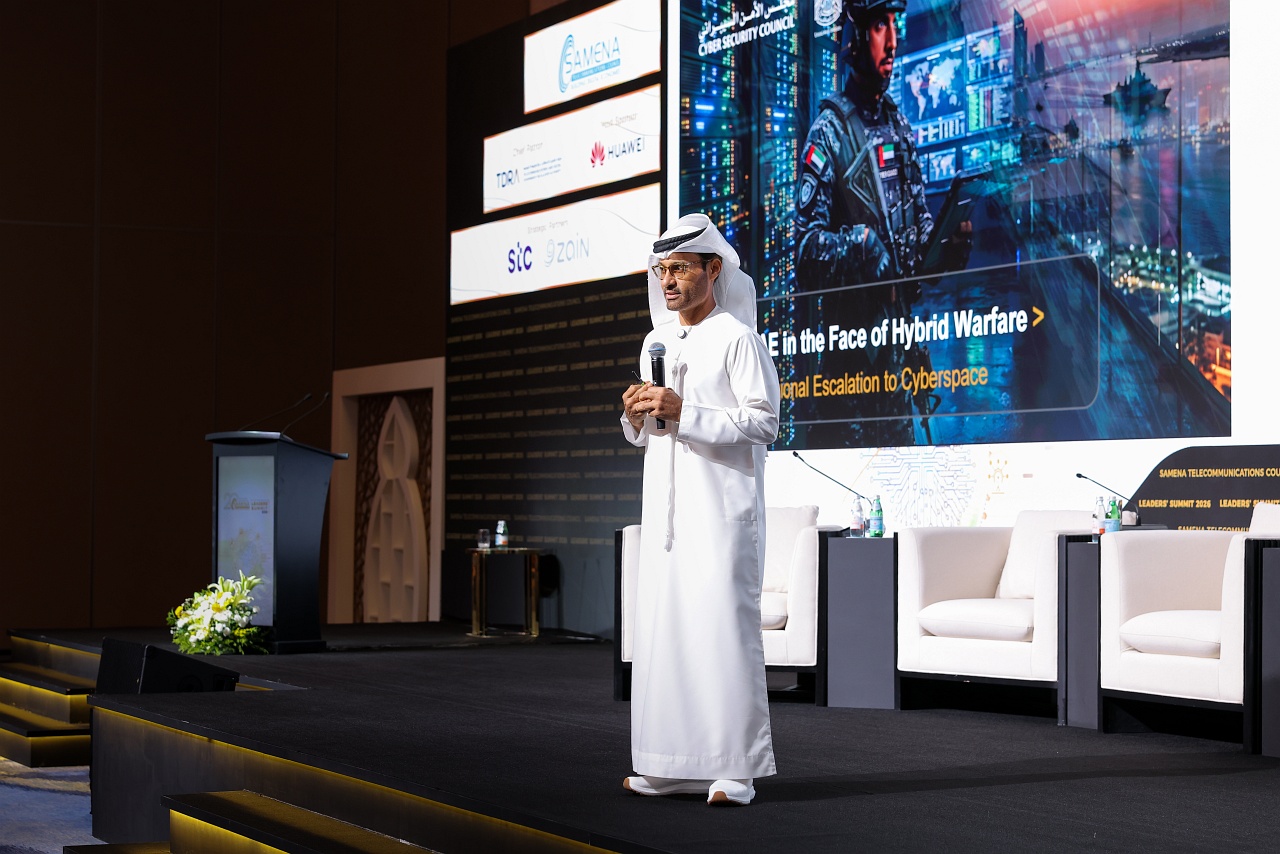
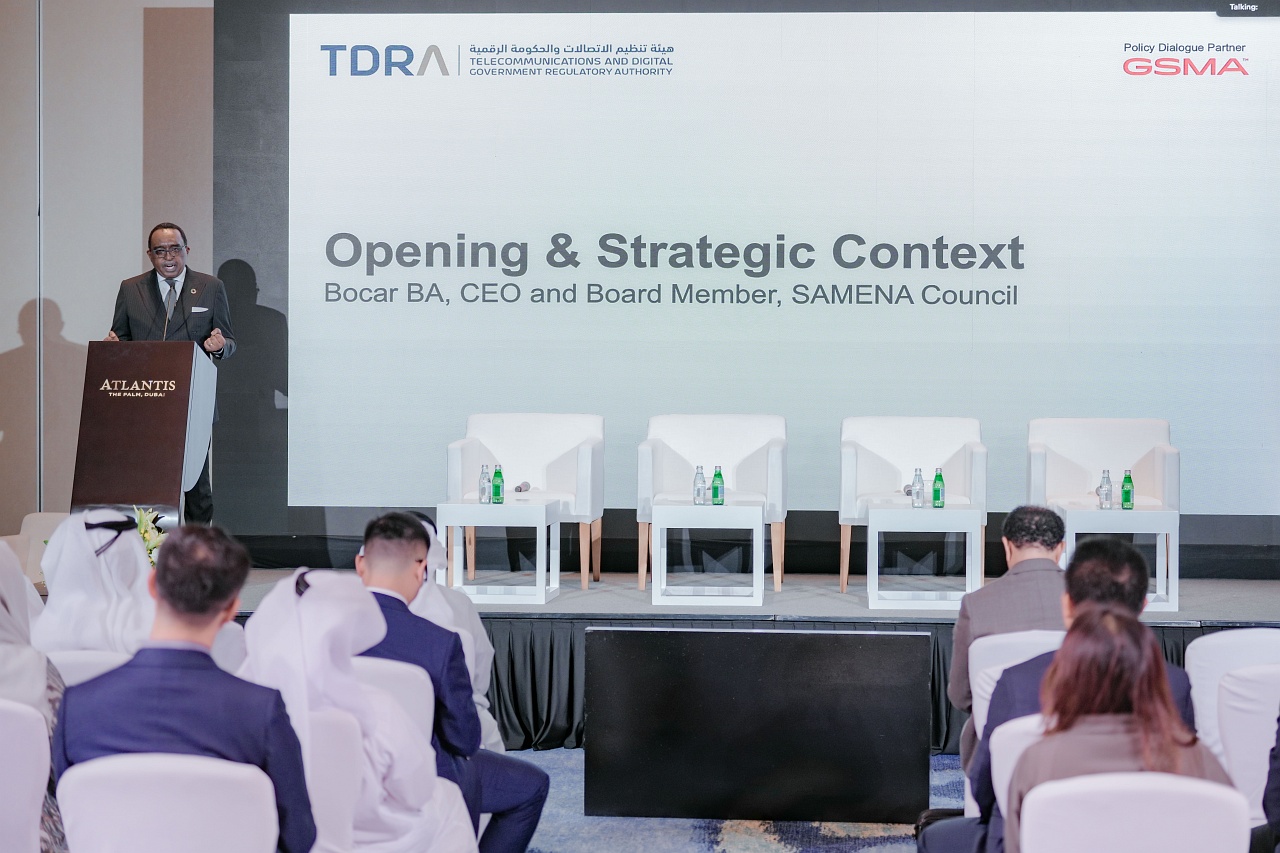
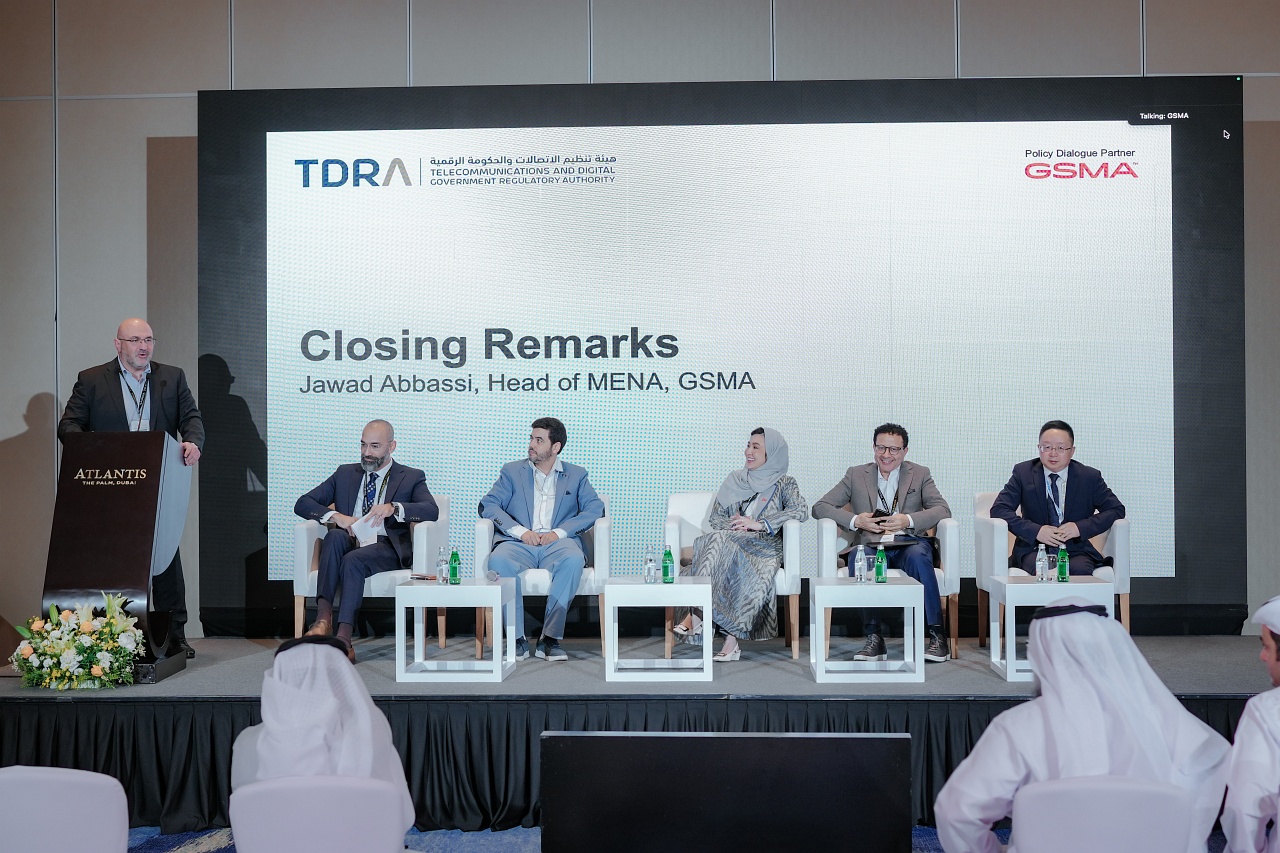
The Morning Session sets the strategic tone of the summit through opening remarks, keynote addresses, and high-level discussions. Global leaders and industry experts explore the evolving role of intelligent networks, sovereign AI, and digital transformation in shaping sustainable digital futures.
 9:20 AM – 10:35
AM
Ballroom A & B 10:35 AM – 11:00
AM
Ballroom A & B 11:00 AM – 11:15
AM
11:15 AM – 12:10
PM
Ballroom A & B
9:20 AM – 10:35
AM
Ballroom A & B 10:35 AM – 11:00
AM
Ballroom A & B 11:00 AM – 11:15
AM
11:15 AM – 12:10
PM
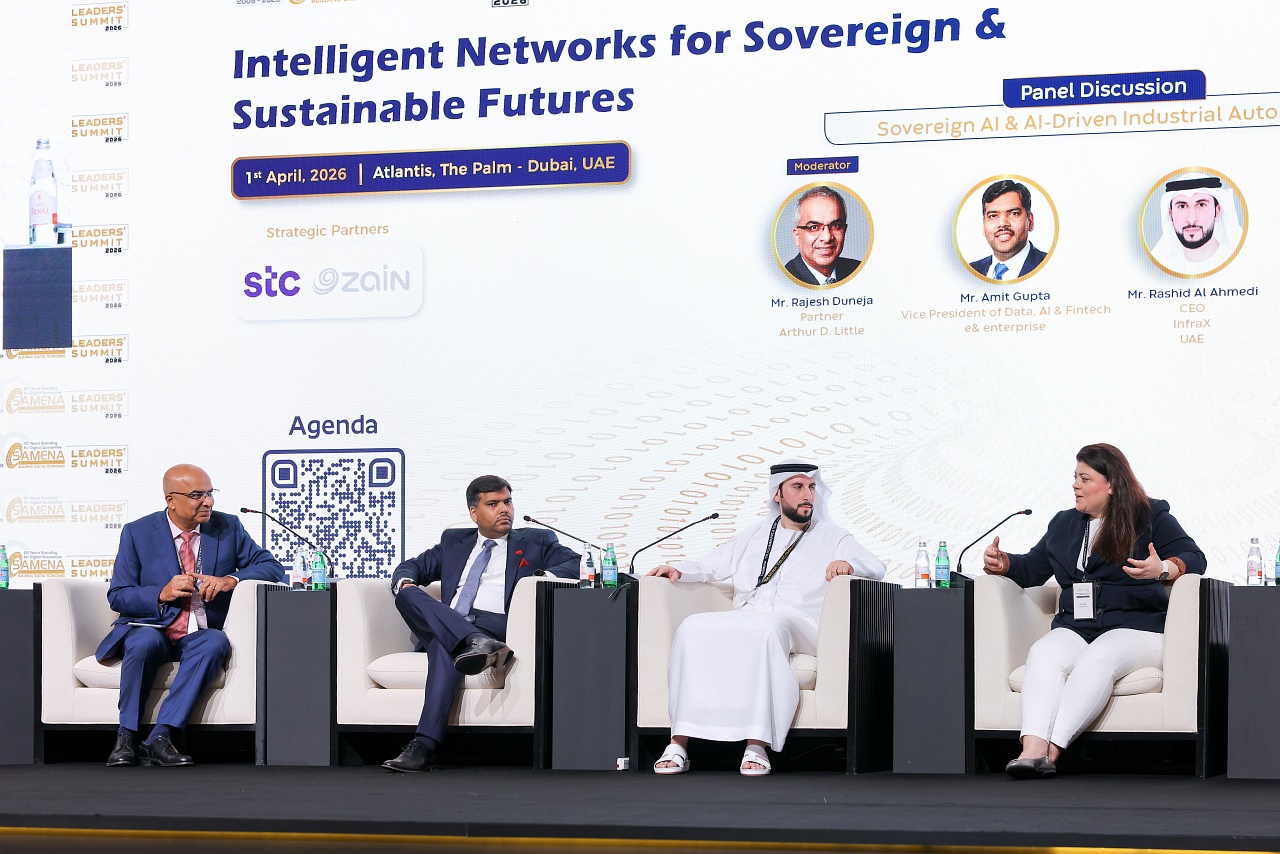
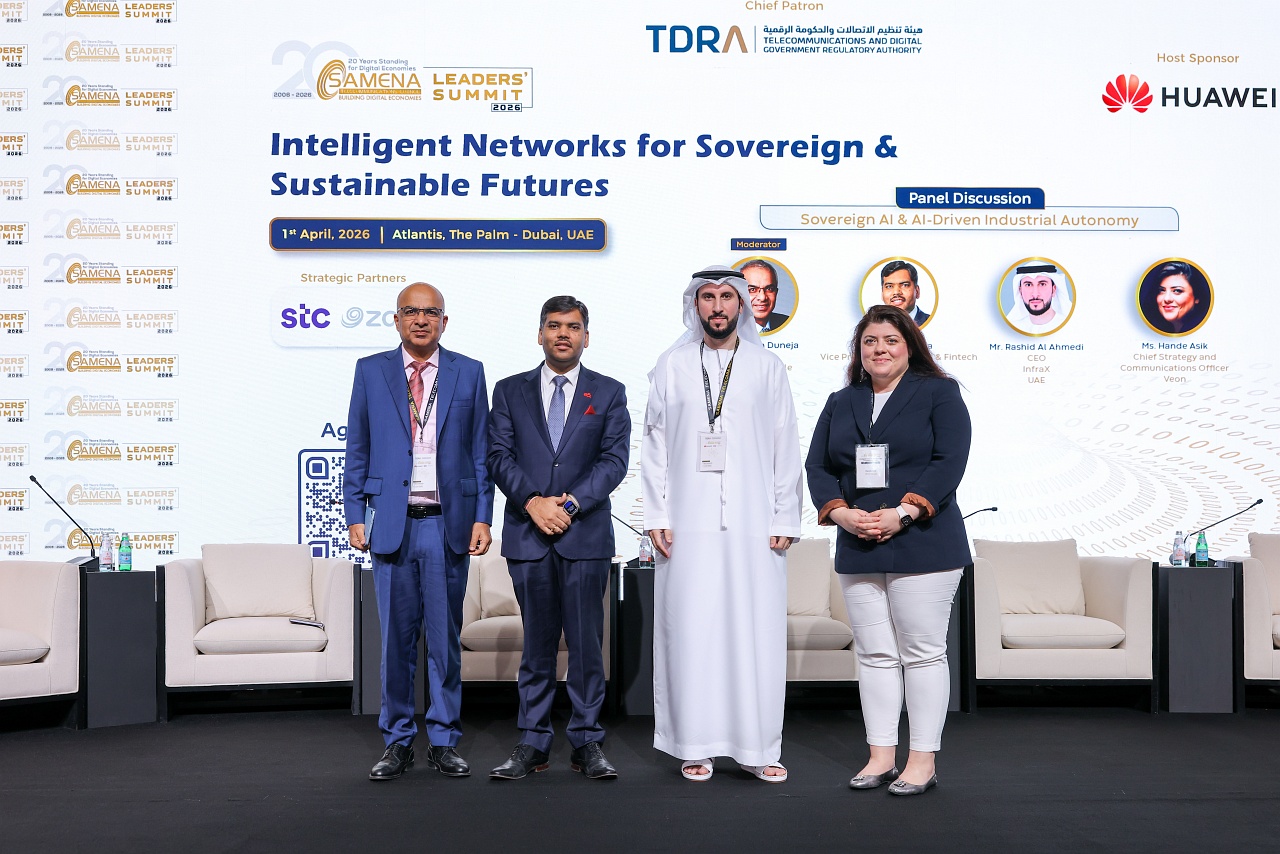
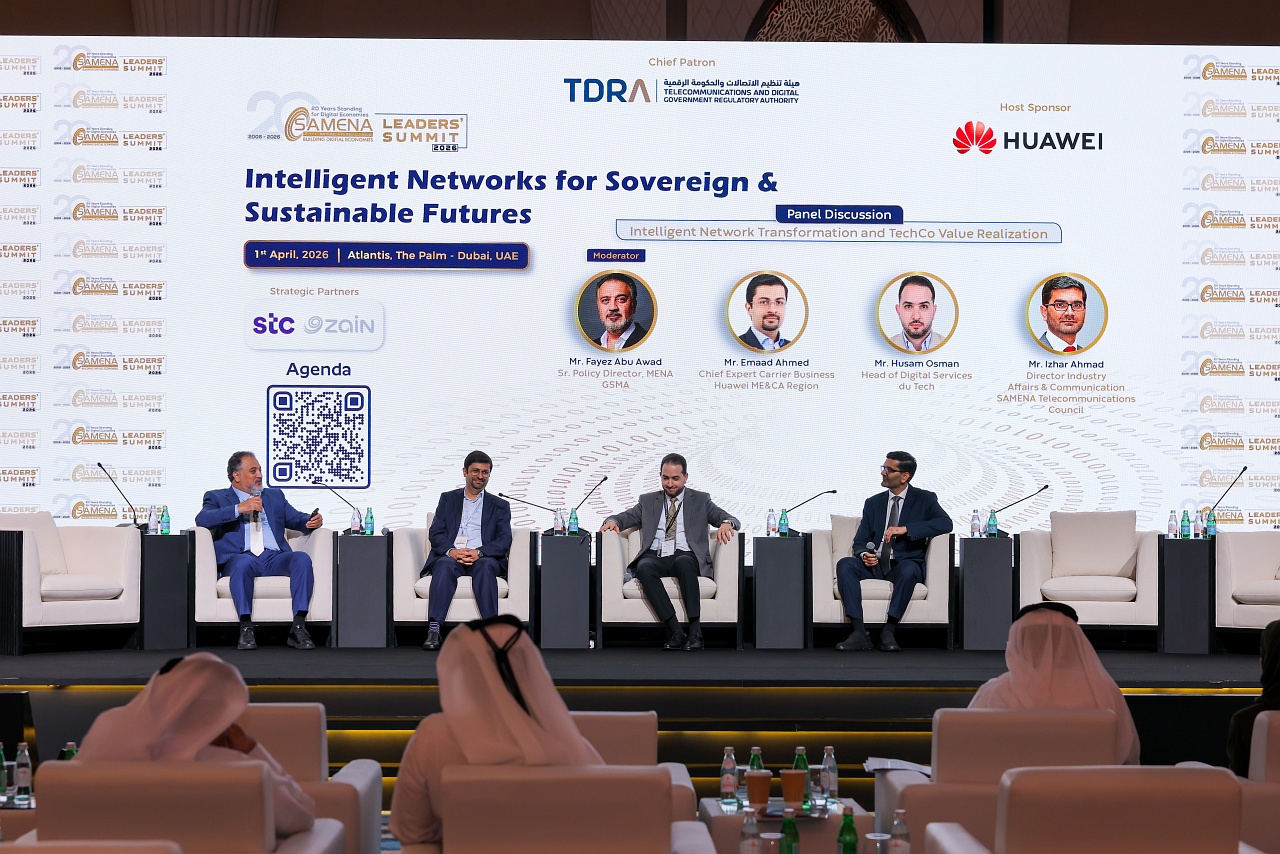
Ballroom A & BAI is increasingly shaping how industrial systems and networks operate, enabling predictive insights, automated decision-making, and efficiency gains across complex environments. As deployment scales, questions of control, trust, and accountability are becoming central. This brings forward the concept of Sovereign AI, where systems operate within clear governance frameworks, safeguard sensitive data, and align with national regulatory priorities while delivering measurable operational value.
Building on this foundation, AI-driven autonomy is now extending beyond traditional network domains into broader industrial and infrastructure environments. Autonomous networks and AI-based orchestration are being applied across factories, utilities, and critical infrastructure systems, such as electricity and water, to optimize performance, reduce downtime, and enable predictive maintenance. As this shift moves from pilot phases to operational scale, the interaction between connectivity infrastructure, energy systems, and digital platforms becomes increasingly relevant to ensuring continuity, resilience, and efficiency.
This panel brings together operators, infrastructure providers, AI developers, and regulators to examine how AI and autonomous systems can be developed, deployed, and effectively integrated within the context of sovereign AI. Discussions will focus on integrating autonomy across interconnected infrastructure layers, aligning deployment with regulatory frameworks, safeguarding data and operational control, and ensuring accountability in live industrial environments.
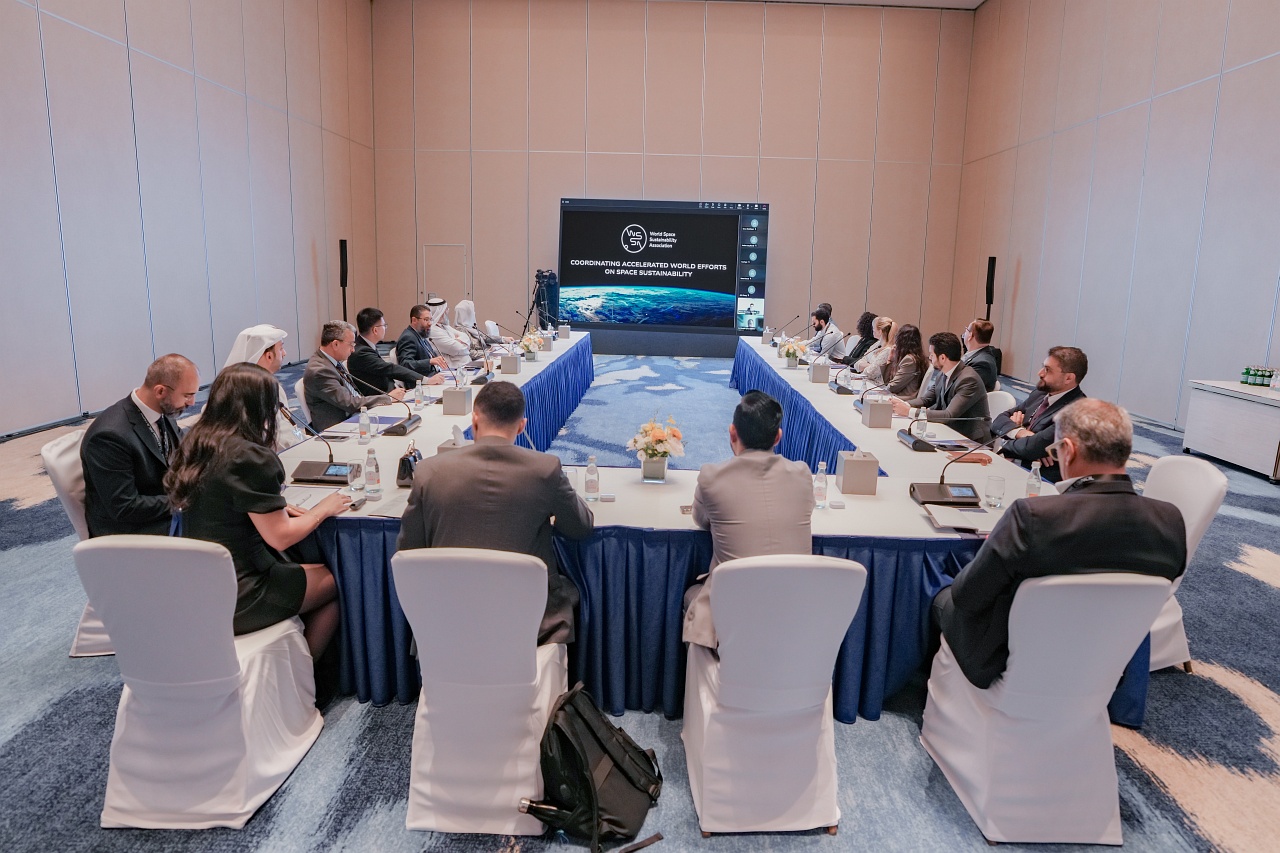
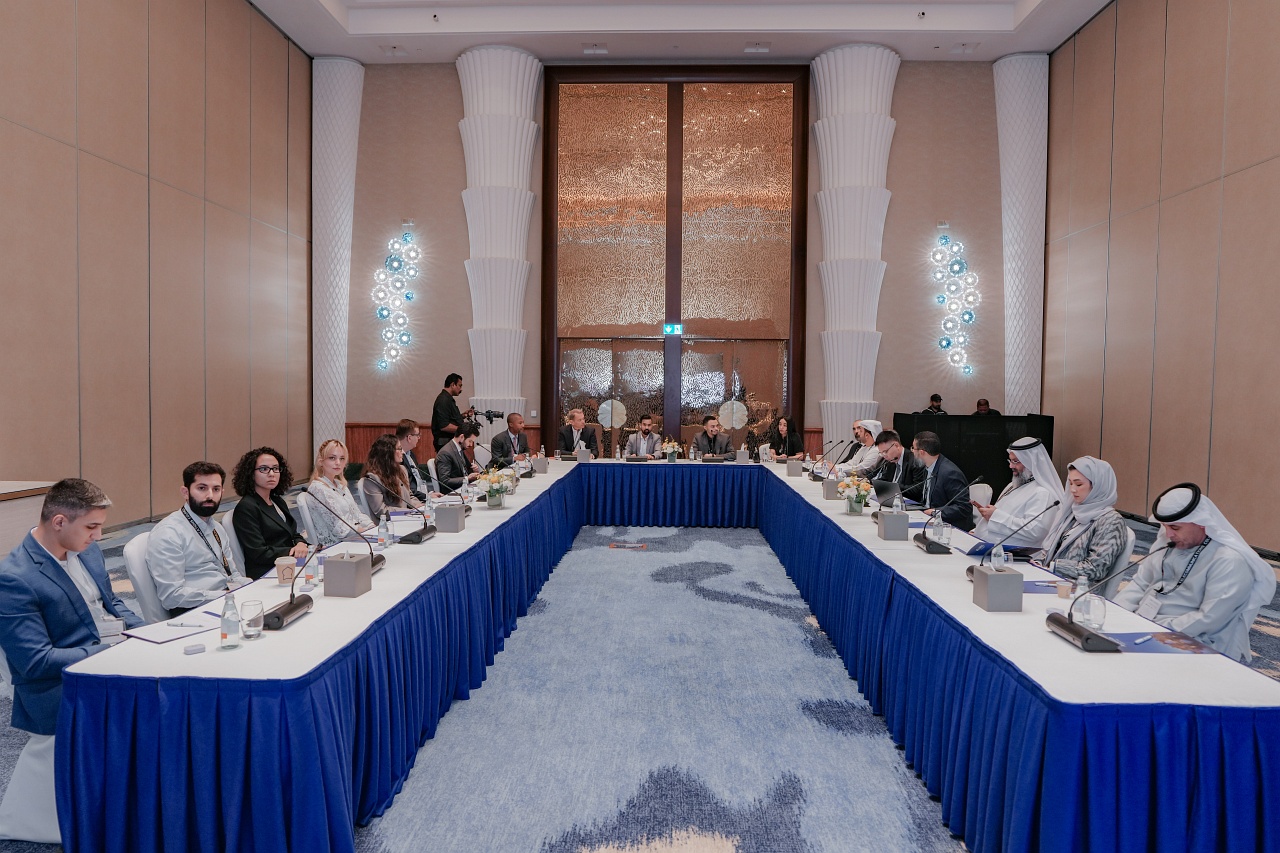
11:15 AM – 12:45 PM Ballroom DAs orbital ecosystems expand in scale, density, and strategic importance, the sustainability of space operations is under mounting pressure. The rapid deployment of mega-constellations, coupled with rising debris volumes and collision probabilities, is exposing structural gaps in governance, coordination, and accountability. In 2026, the emphasis is moving from risk acknowledgment to implementation, reflecting a shift toward enforceable standards, interoperable systems, and shared responsibility across the global space community.
This roundtable aims to convene stakeholders from the World Space Sustainability Association (WSSA) membership, alongside regulators, operators, and research bodies, to examine how coordination translates into operational outcomes. As discussions gradually lead toward structured initiatives within the space ecosystem, this session during the Leaders' Summit 2026 will focus on how new working groups within the WSSA are being shaped to address traffic management, debris mitigation, and data-sharing protocols. It will further explore the transition from fragmented information exchange to interoperable space situational awareness systems, enabling real-time transparency and informed decision-making, while also assessing how standardized debris removal approaches can support regulatory alignment and long-term orbital viability.
The session will be informed by a key observation: Expansion of orbital activity, driven by commercial constellations and national space ambitions, is increasing systemic risk across low-earth orbit. As a result, governance models are shifting from advisory principles toward enforceable, data-driven coordination mechanisms that should enhance safety, continuity, and trust.
The Afternoon Session focuses on technology innovation and industry collaboration, featuring forums, roundtables, and discussions on 5G-Advanced evolution, AI applications, broadband investment, and spectrum policy. Participants engage in deeper dialogue on advancing connectivity and creating new digital value.
12:10 PM – 01:20
PM
Ballroom A & B
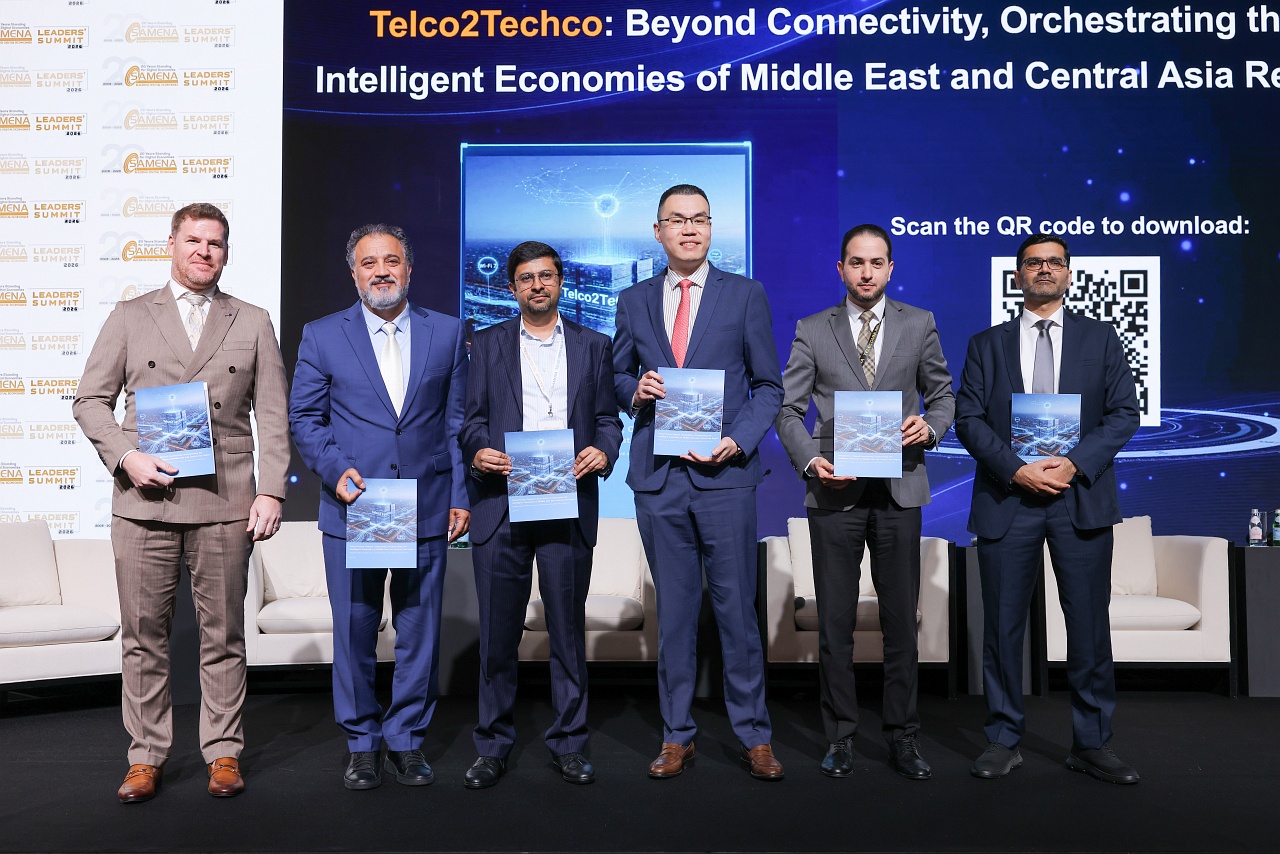
Telco2Techco Paper
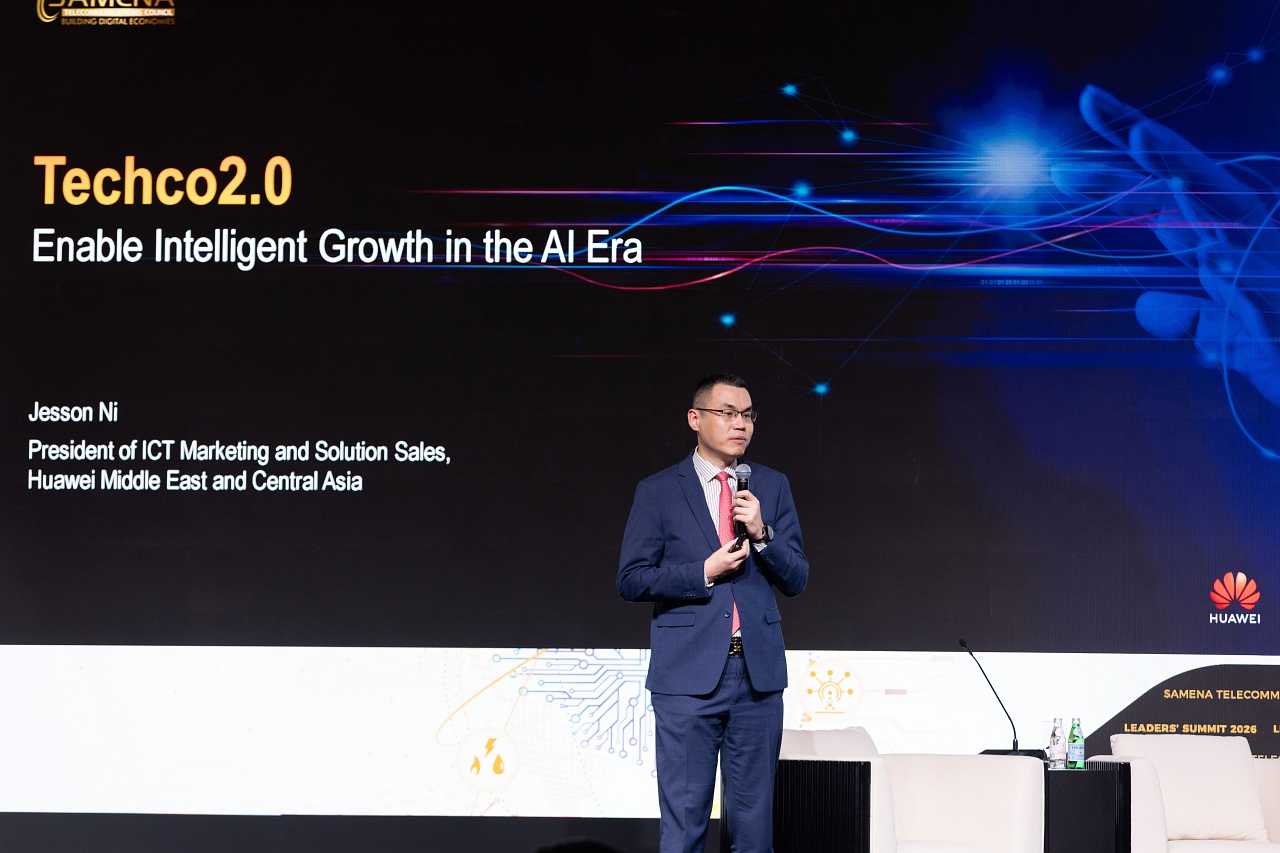
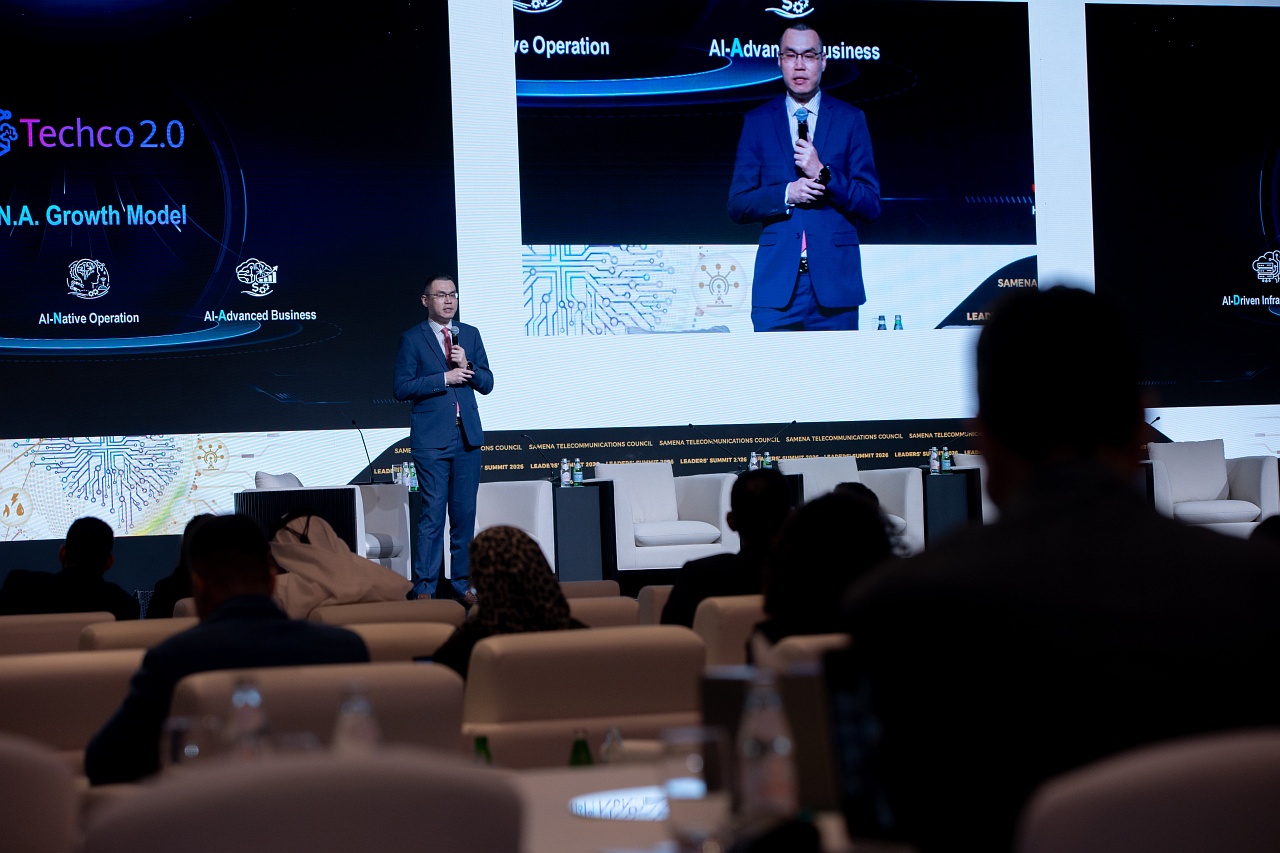
As telecom operators advance beyond initial digital transformation cycles, they need to redefine transformation strategies toward cohesive, monetization-focused models that strengthen ecosystem positioning, operational resilience, and long-term relevance. While TechCo 1.0 framework laid the foundation to enable progress in service diversification, cloud integration, and platform-led thinking, in 2026, the emphasis is shifting from transformation as a milestone to transformation as a continuous value engine, reflecting the need to operationalize capabilities, embed intelligence, and extract measurable returns from prior investments.
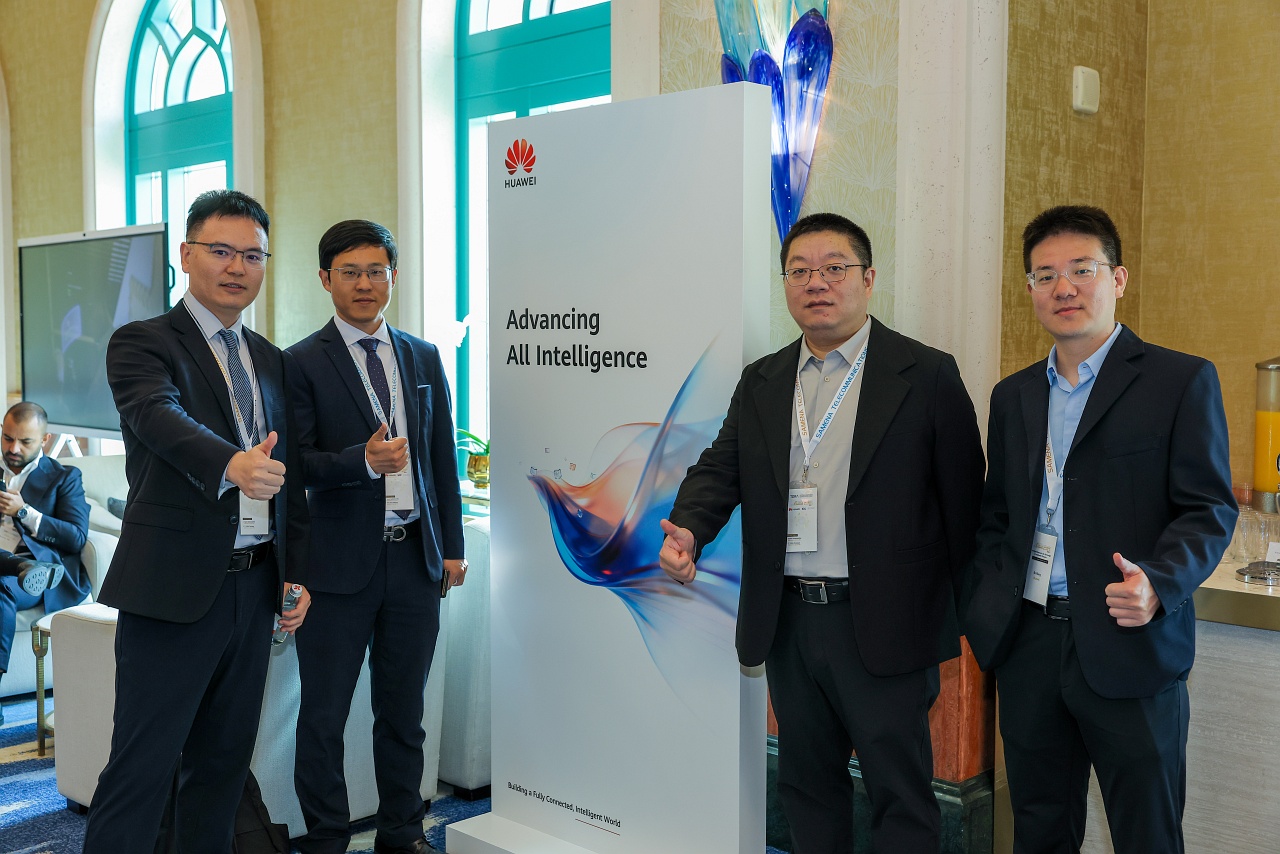
This forum brings together industry leaders and technology partners to examine how the transition toward TechCo 2.0 can redefine the operator role within the digital ecosystem. Centered on Huawei's TechCo 2.0 framework, the discussion will explore how operators can move beyond fragmented digital initiatives toward integrated, intelligence-led operating models. The session will focus on aligning network assets, data capabilities, and digital platforms to enable new monetization pathways, while also examining how AI-driven operations and service orchestration can shift impact from efficiency gains to revenue generation. Huawei's perspective will further illustrate how structured transformation frameworks can help operators translate strategy into execution with clearer accountability and outcomes.
01:20 PM – 01:30
PM
01:20 PM – 02:00
PM
02:00 PM – 04:00
PM
Ballroom A & B
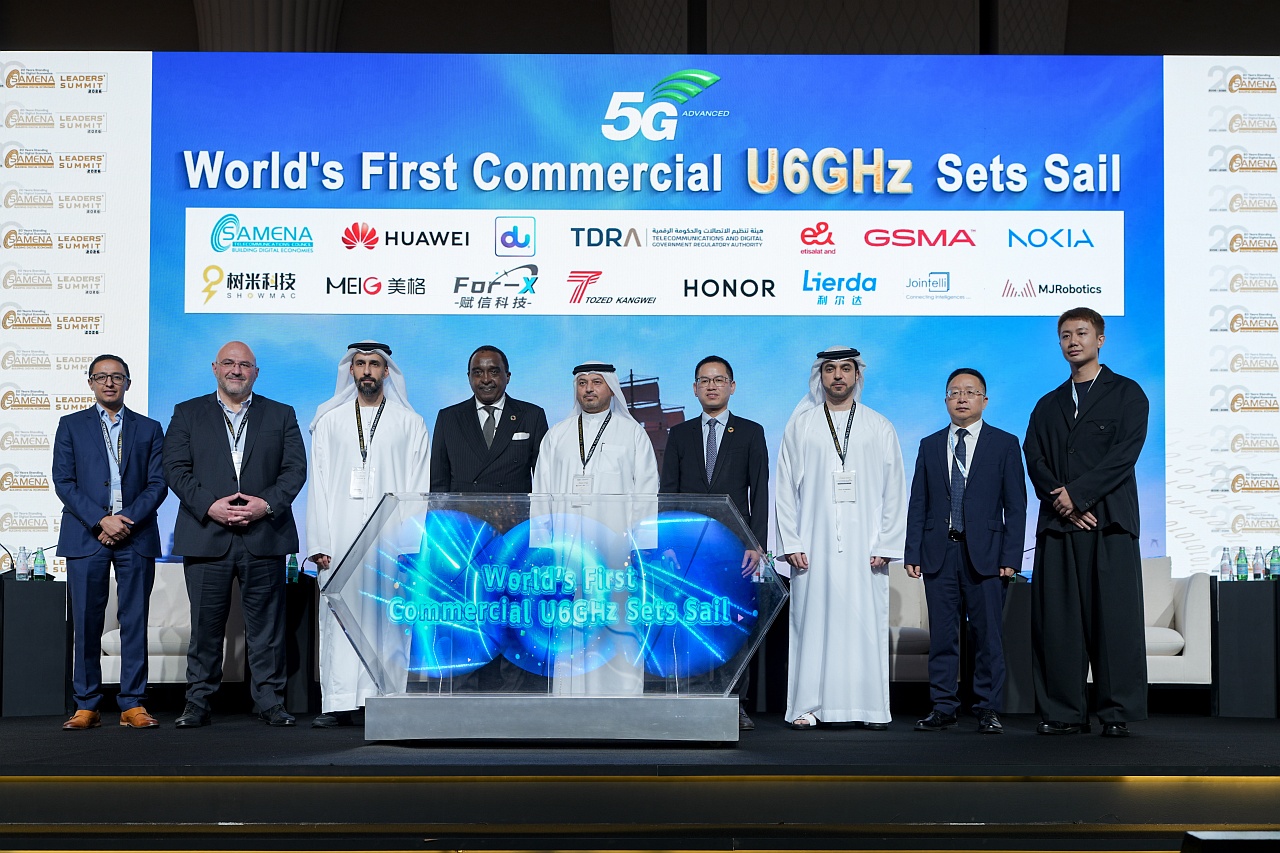
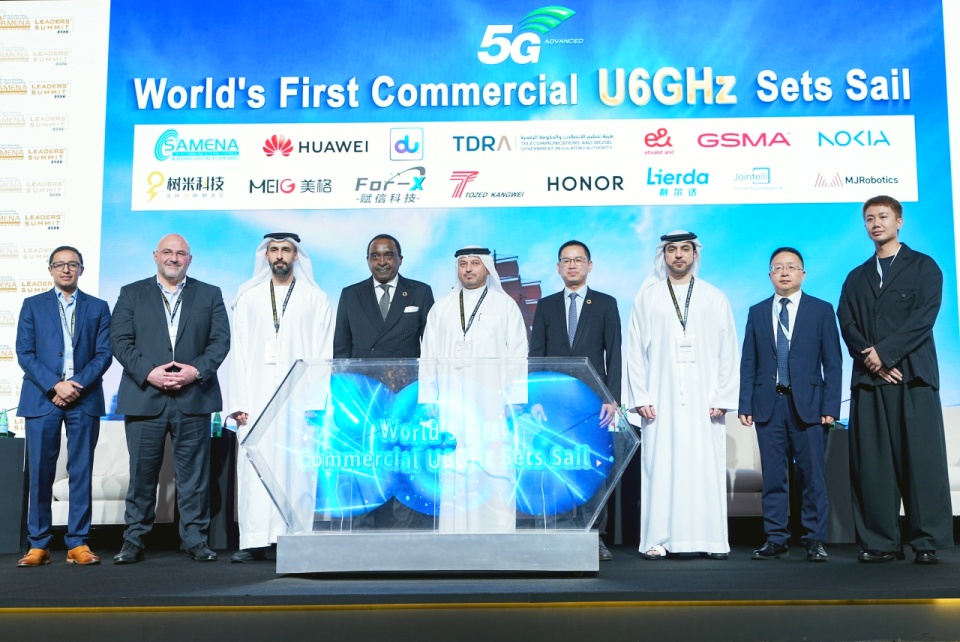
Theme: World's First Commercial U6GHz Sets Sail
5G-Advanced is transitioning from standardization into large-scale deployment, offering telecom operators enhanced capabilities such as uplink improvement, ultra-reliable low-latency communication, network slicing, and advanced positioning. These technical advancements create opportunities for AI-driven services, enabling operators to extract actionable insights, optimize network efficiency, and monetize differentiated experiences. However, realizing commercial value requires careful alignment of investment with enterprise demand, customer willingness to pay, and sustainable revenue models.
In 2026, the emphasis is shifting from capability demonstration to measurable value creation, as operators and technology providers navigate the interplay between technical innovation, policy frameworks, and market readiness. AI applications in 5G-Advanced infrastructure further amplify the potential for economic resilience, which is critical to maintain under geopolitical tensions. From predictive network management to intelligent service orchestration, AI enables operators to deliver higher-quality experiences, reduce operational costs, and unlock new monetization pathways.
This panel brings together operators, technology providers, and regulators to explore how 5G-Advanced features and AI applications are being prioritized, deployed, and monetized. The discussion will cover practical use cases, enterprise adoption, differentiated services, and policy levers that can accelerate investment returns while supporting broader economic resilience.
02:30 PM – 04:00
PM
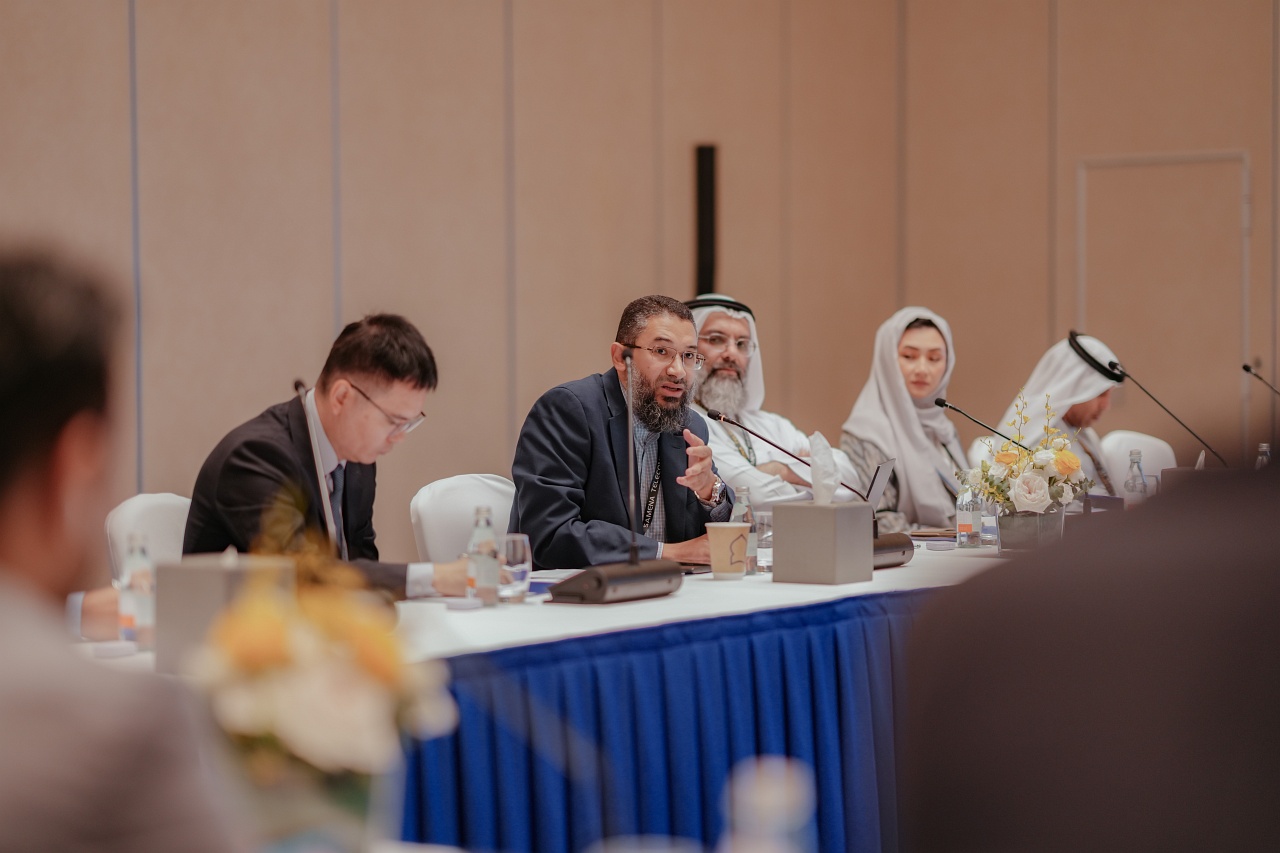
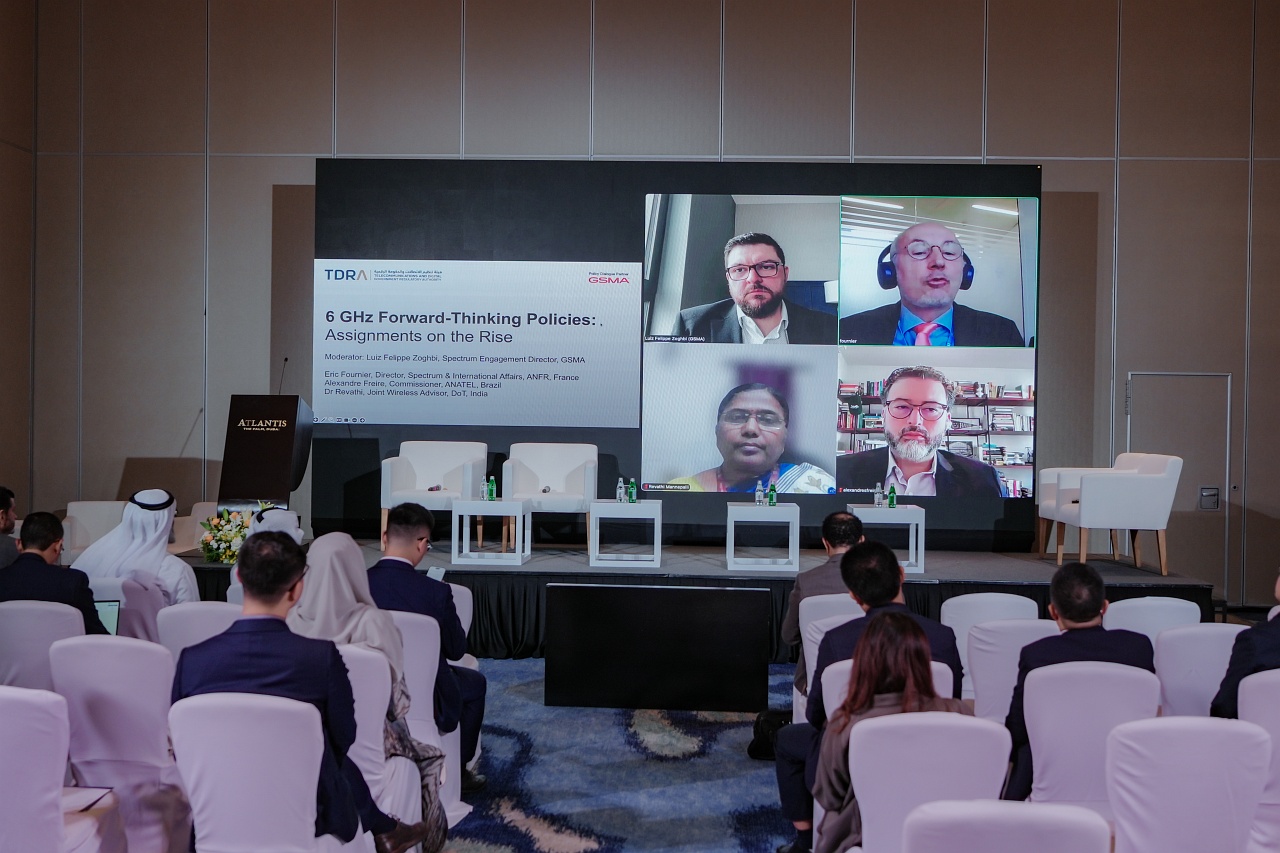
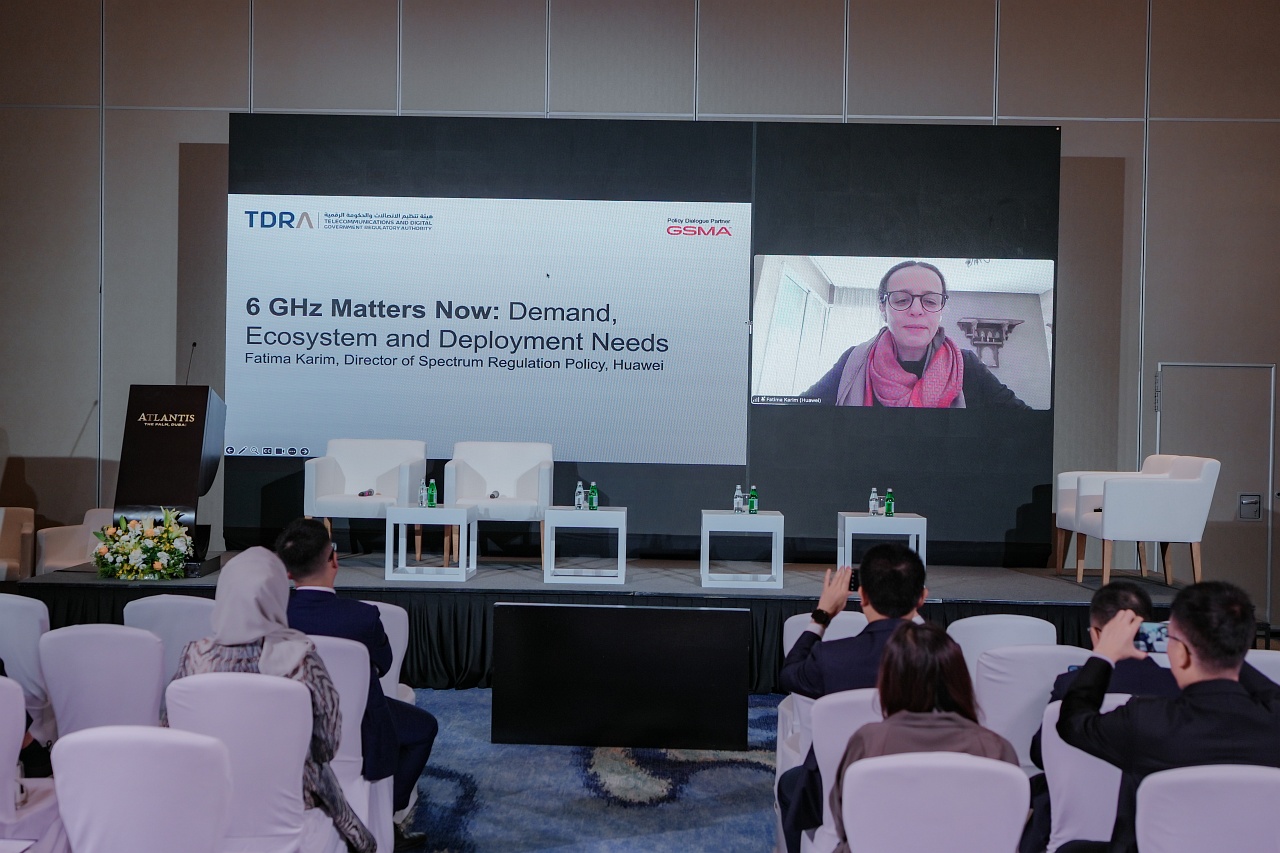
Ballroom CThe 6 GHz band (6.425–7.125 GHz) is emerging as the main mid-band resource to support the evolution of mobile broadband into the 2030s. Following WRC-23, a growing number of administrations have identified parts of the band for IMT, while assignments and planned auctions grow, recognising its potential to deliver wide contiguous bandwidths of 200-400 MHz per operator, that complement existing mid-bands. 6 GHz is also central to longer-term strategies in the lead-up to PP-26 and WRC-27.
This invite-only hybrid dialogue, held during the SAMENA Council Leaders' Summit 2026, is designed as an interactive exchange between senior policymakers, operators, vendors and other ecosystem leaders. While panels and presentations guide the debate, in-person is virtual audience will be encouraged to actively share perspectives, comment on national approaches and timelines, and engage on ecosystem and deployment priorities.
04:15 PM – 05:00
PM
Ballroom A & B
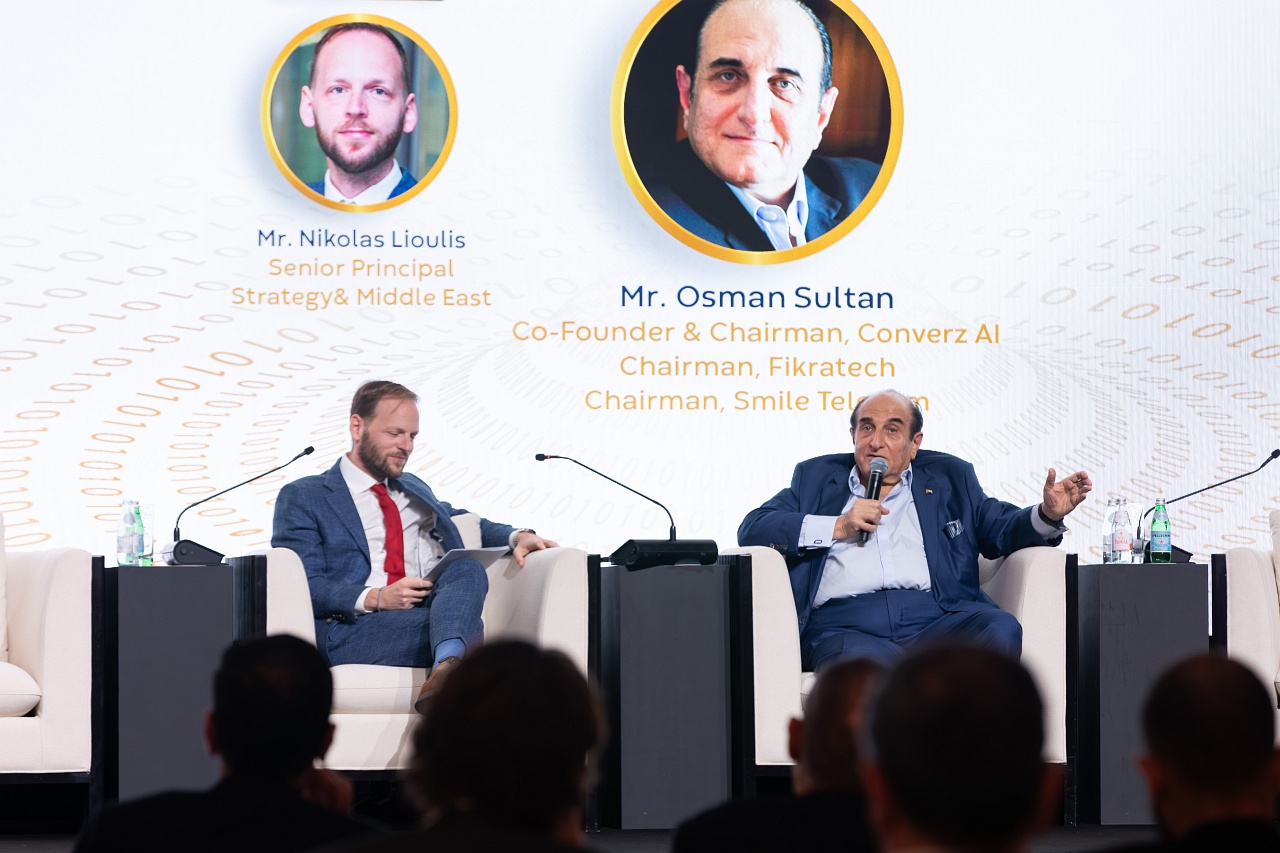
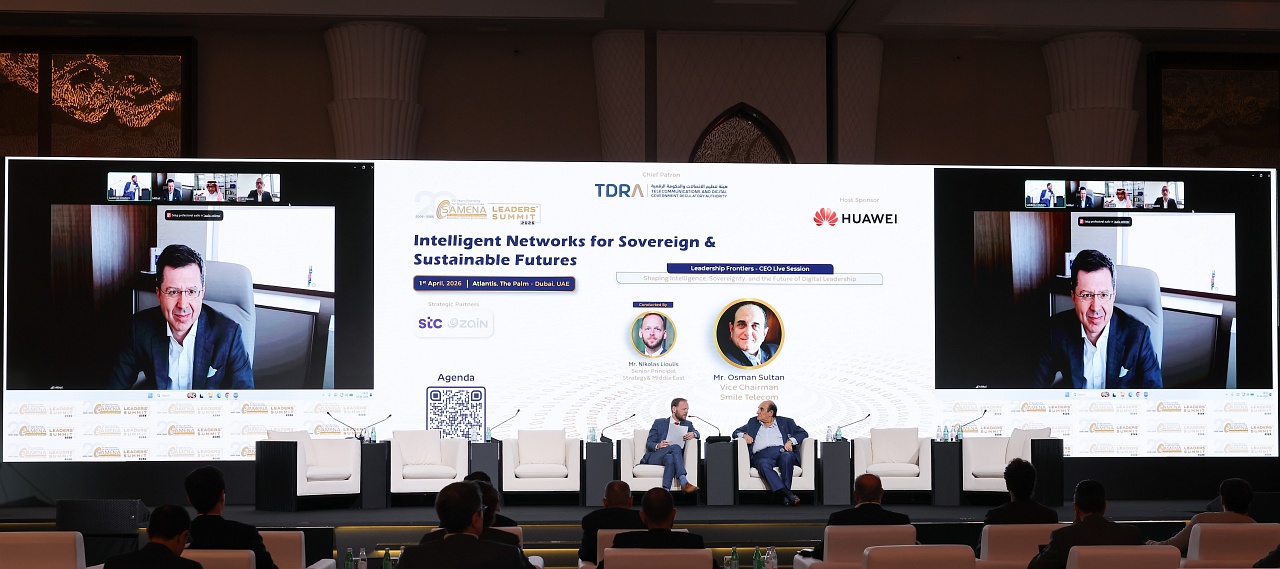
As digital transformation accelerates and intelligent networks and technologies take on a central role across all industry segments, top executives face the dual challenge of guiding technological innovation while safeguarding national and organizational interests. Leadership decisions now influence not only business growth but also strategic autonomy, ecosystem collaboration, and sustainable digital development.
This panel brings together leaders, CEOs, policymakers, and industry leaders to share perspectives on shaping intelligent networks, enabling resilient infrastructures, and unlocking emerging value chains. The discussion will explore how executive strategy can align innovation, regulation, and commercial outcomes, setting the stage for practical deep dives into cybersecurity, network autonomy, advanced connectivity, and ecosystem transformation in subsequent sessions.
05:00 PM – 05:45
PM
Ballroom A & B
As mobile services expand, operators face pressure to deliver seamless, high-capacity, and resilient connectivity. Hybrid networks that integrate terrestrial, satellite, and direct-to-device systems are emerging as a practical approach to achieving broader coverage and service reliability. This convergence is reshaping how coverage and public safety are addressed, particularly in underserved areas, while also linking to ongoing work led by the ITU on spectrum coordination, standards development, and universal connectivity.
This panel brings together terrestrial operators, satellite providers, international ICT bodies, and regulators to examine how hybrid connectivity can transform mobile services. The discussion will explore how these networks can collaborate to optimize spectrum use and extend coverage, while remaining aligned with ITU processes and preparations toward WRC-27, and addressing the standards and governance models required for coordinated deployment.
The Evening Session highlights leadership insights and forward-looking discussions, bringing together CEOs and industry leaders to examine hybrid connectivity, strategic partnerships, and the future direction of digital ecosystems in the global technology landscape.
05:45 PM – 08:30
PM

Regulators

Operators

Leaders
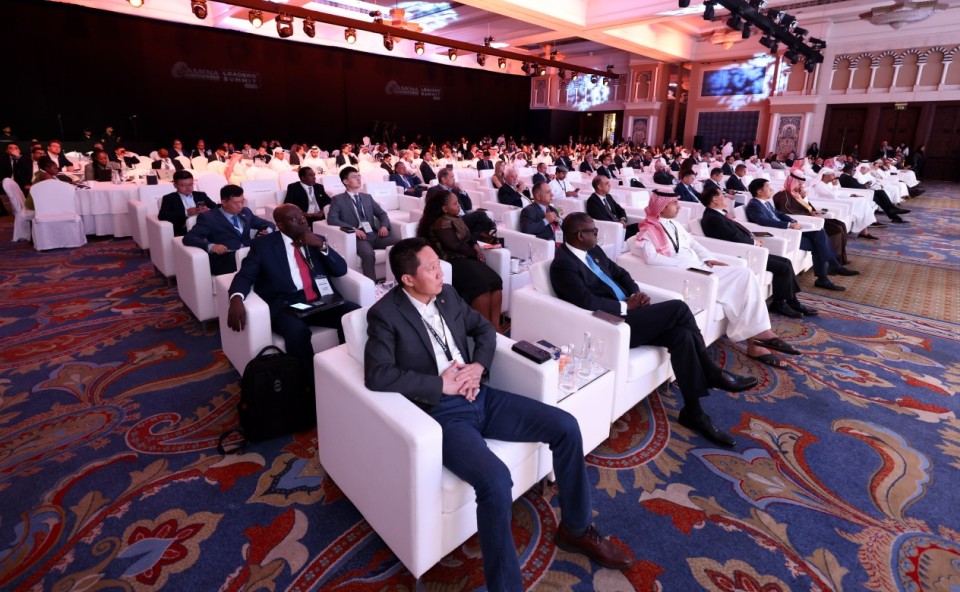
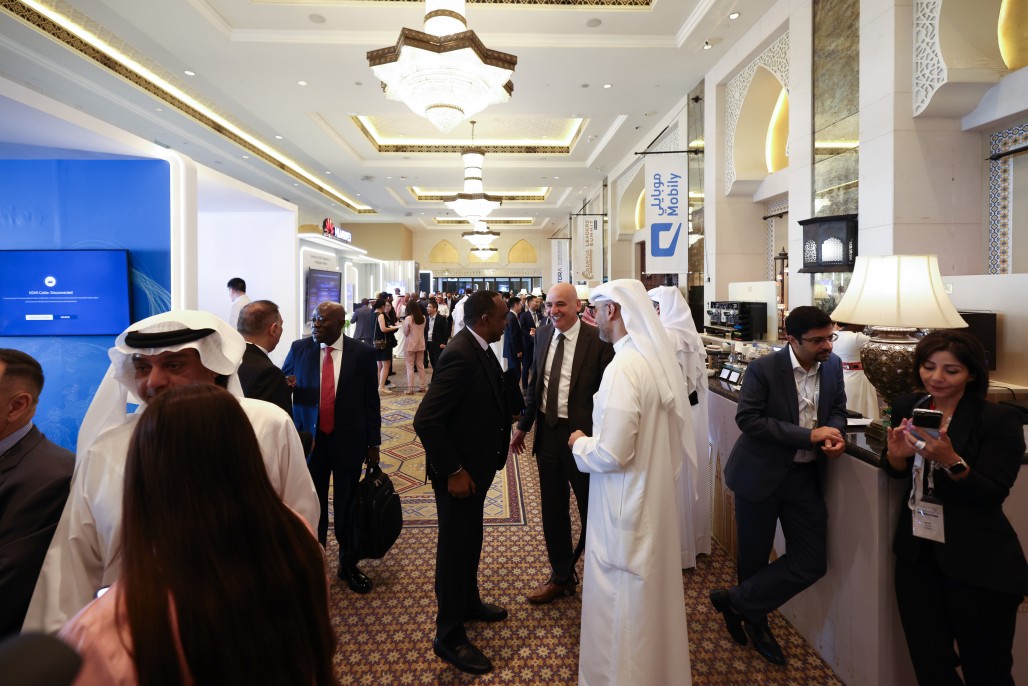
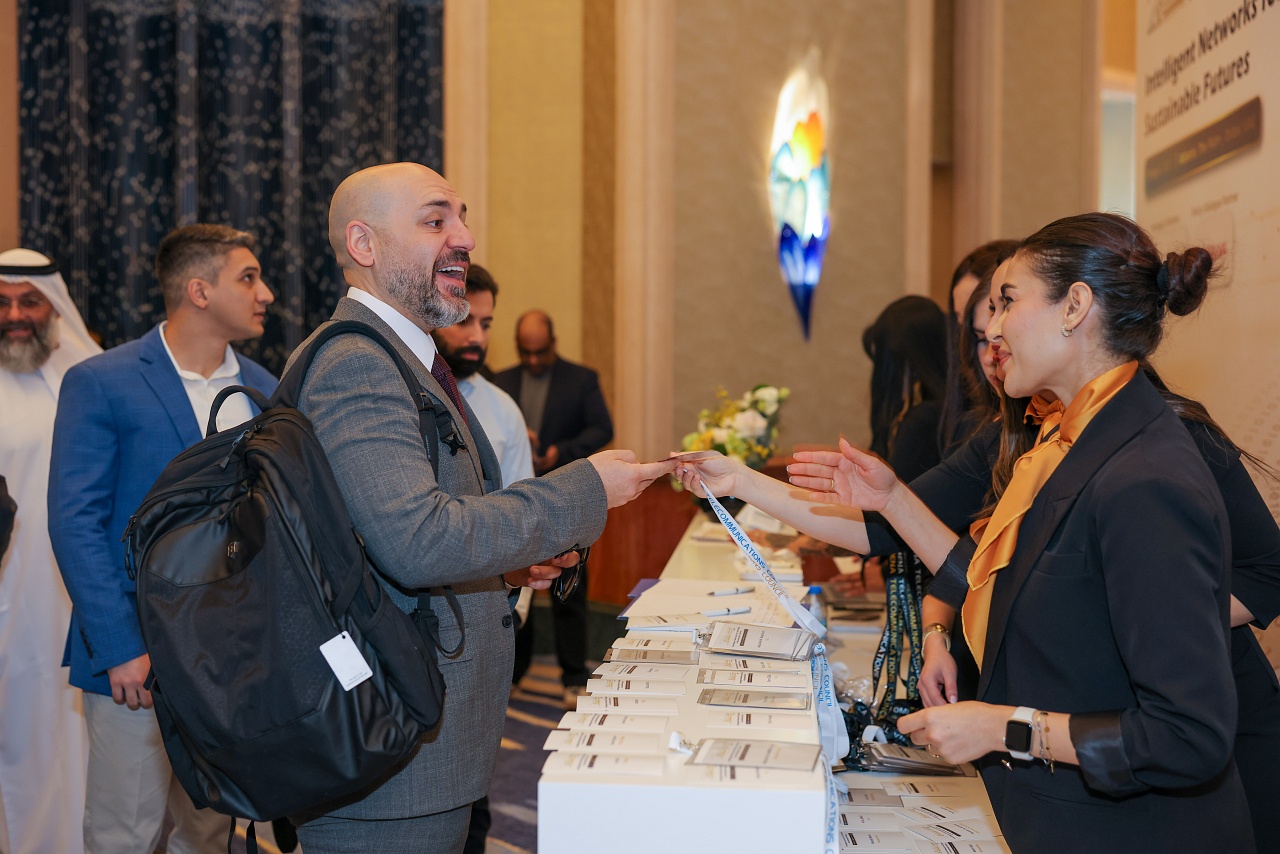
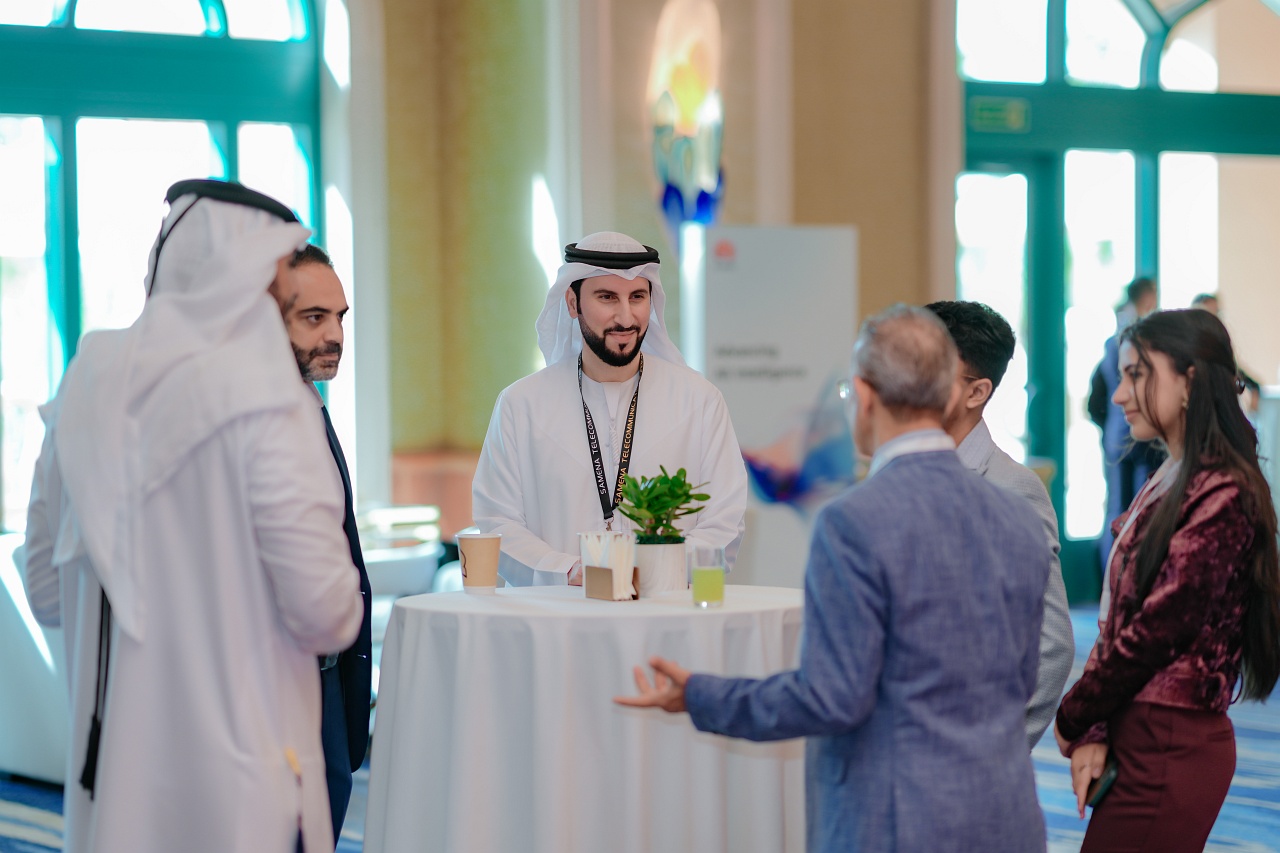
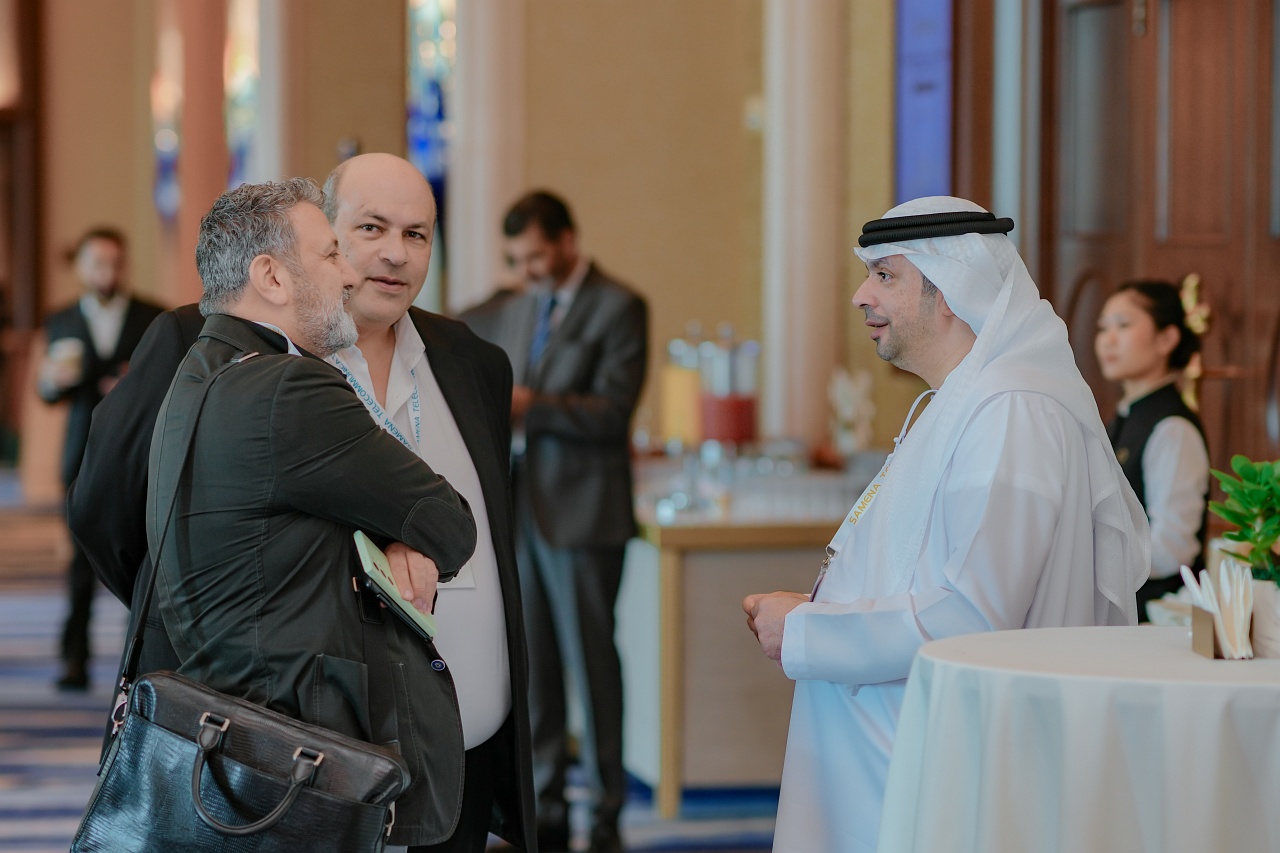
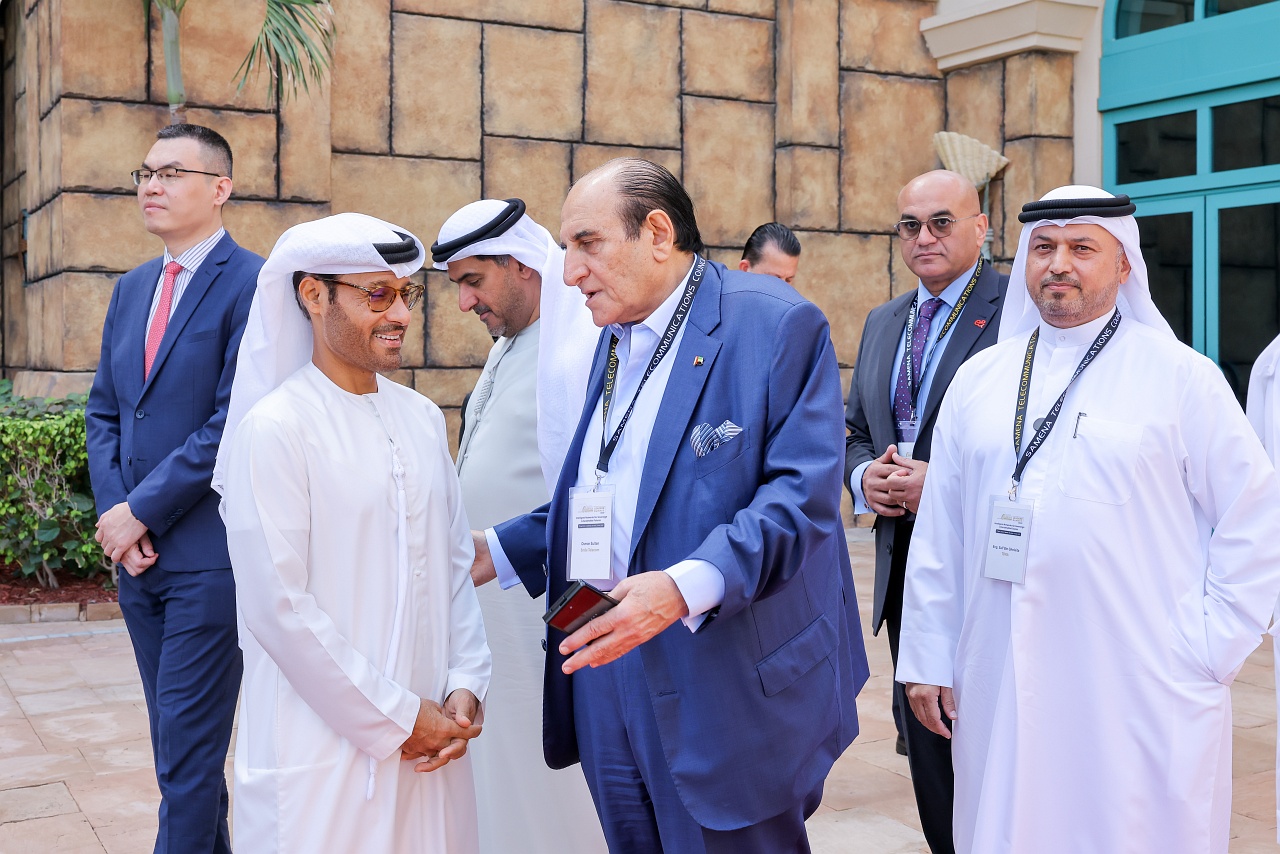
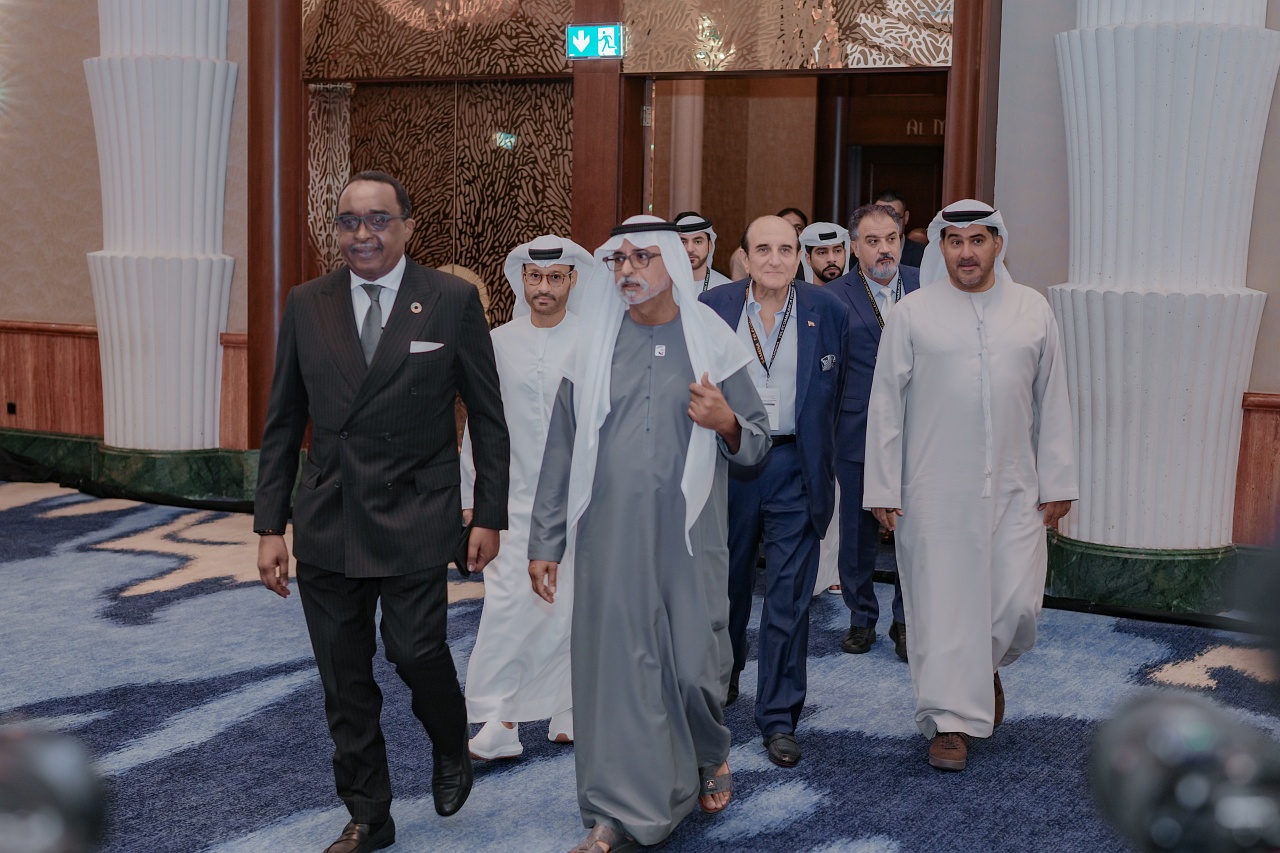
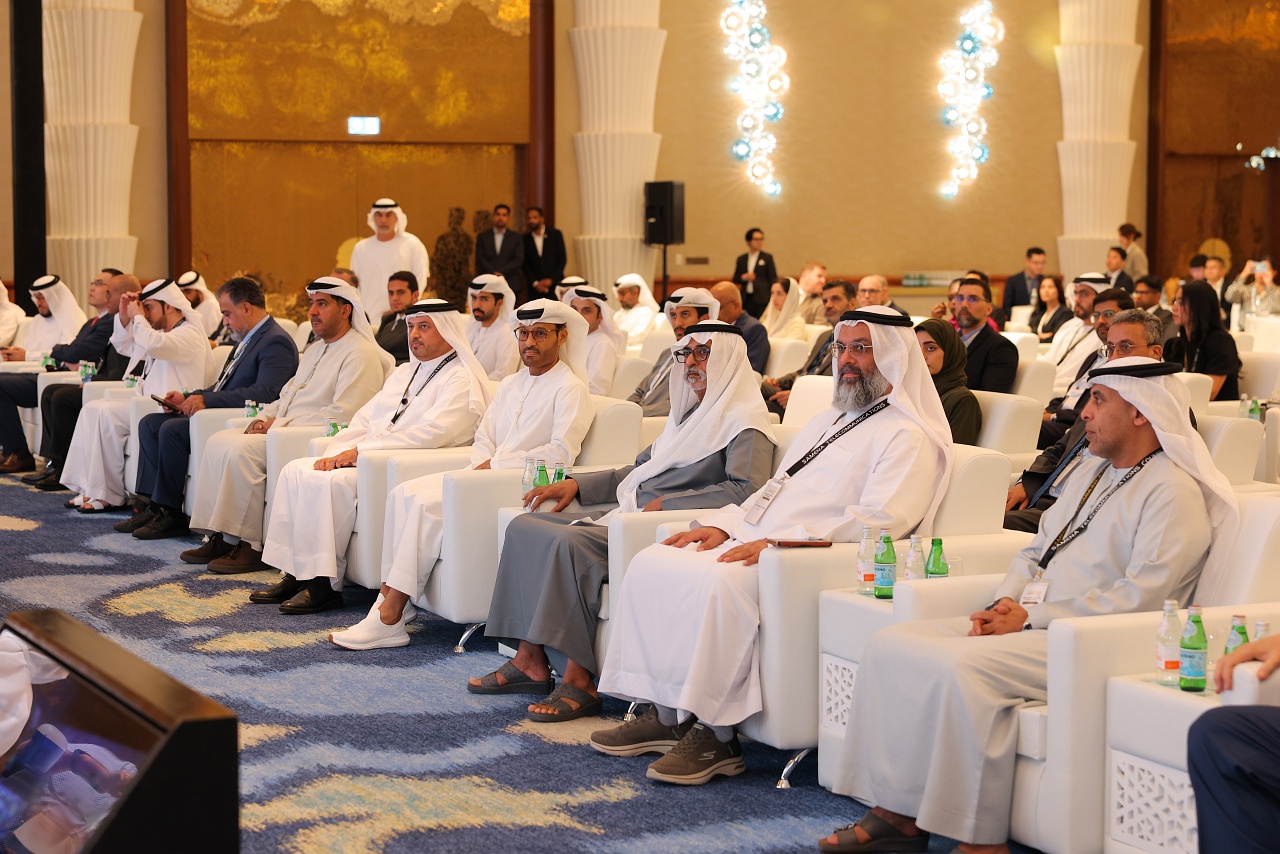
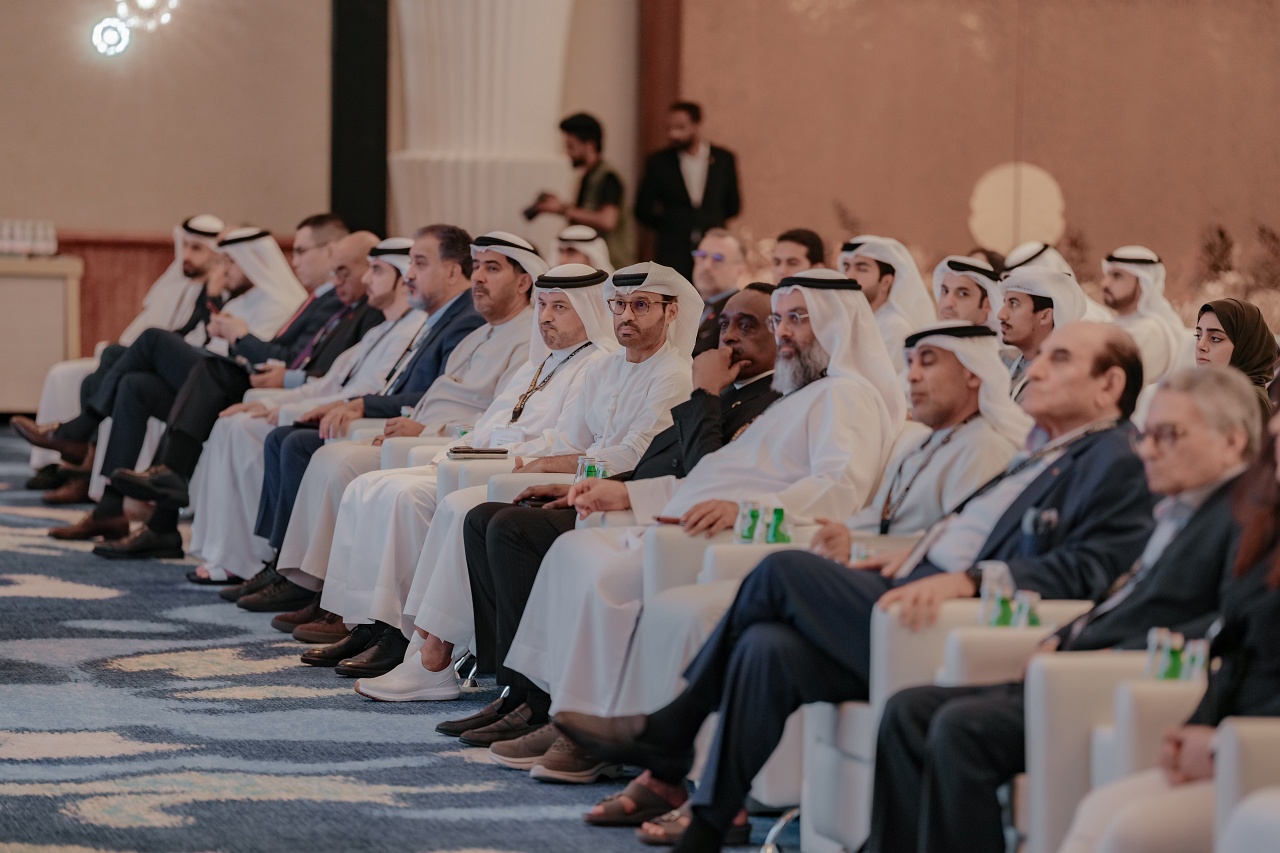
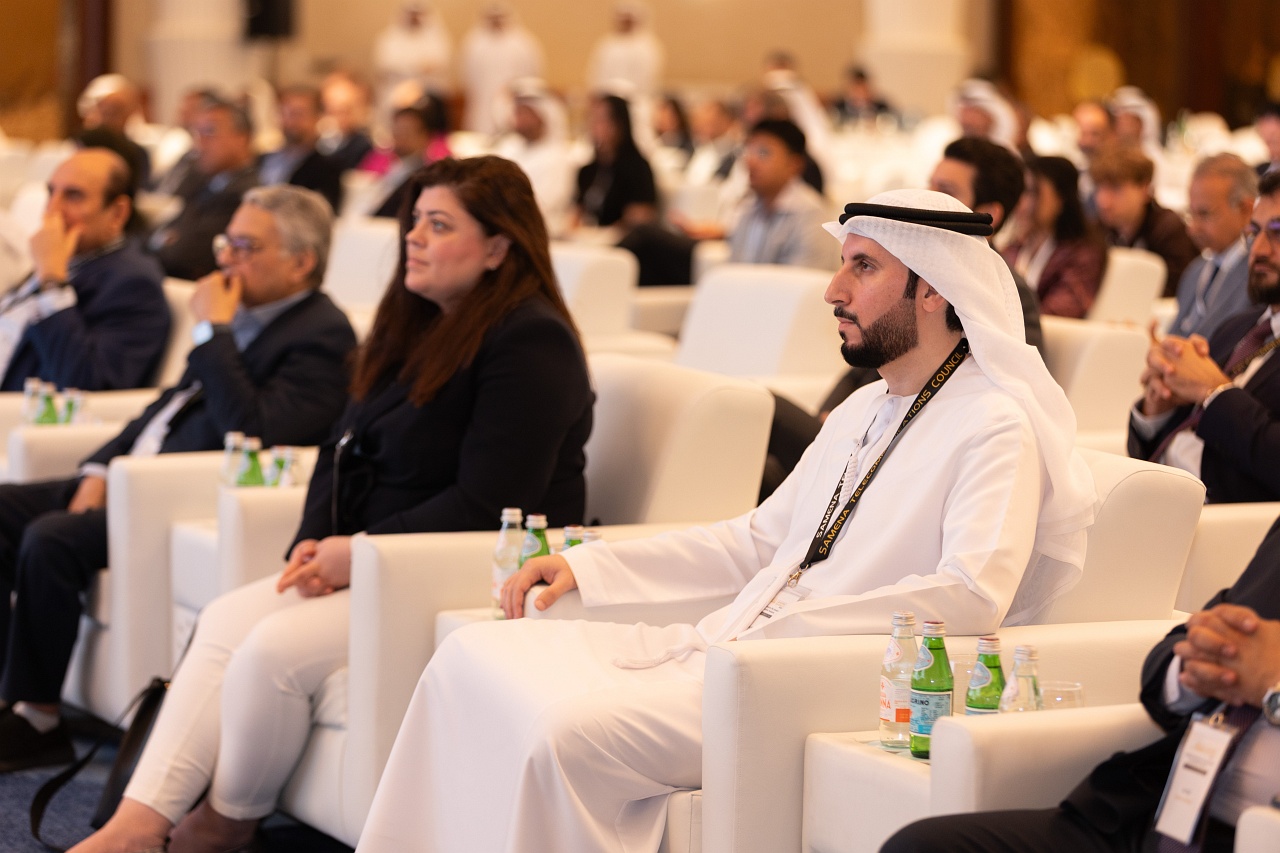
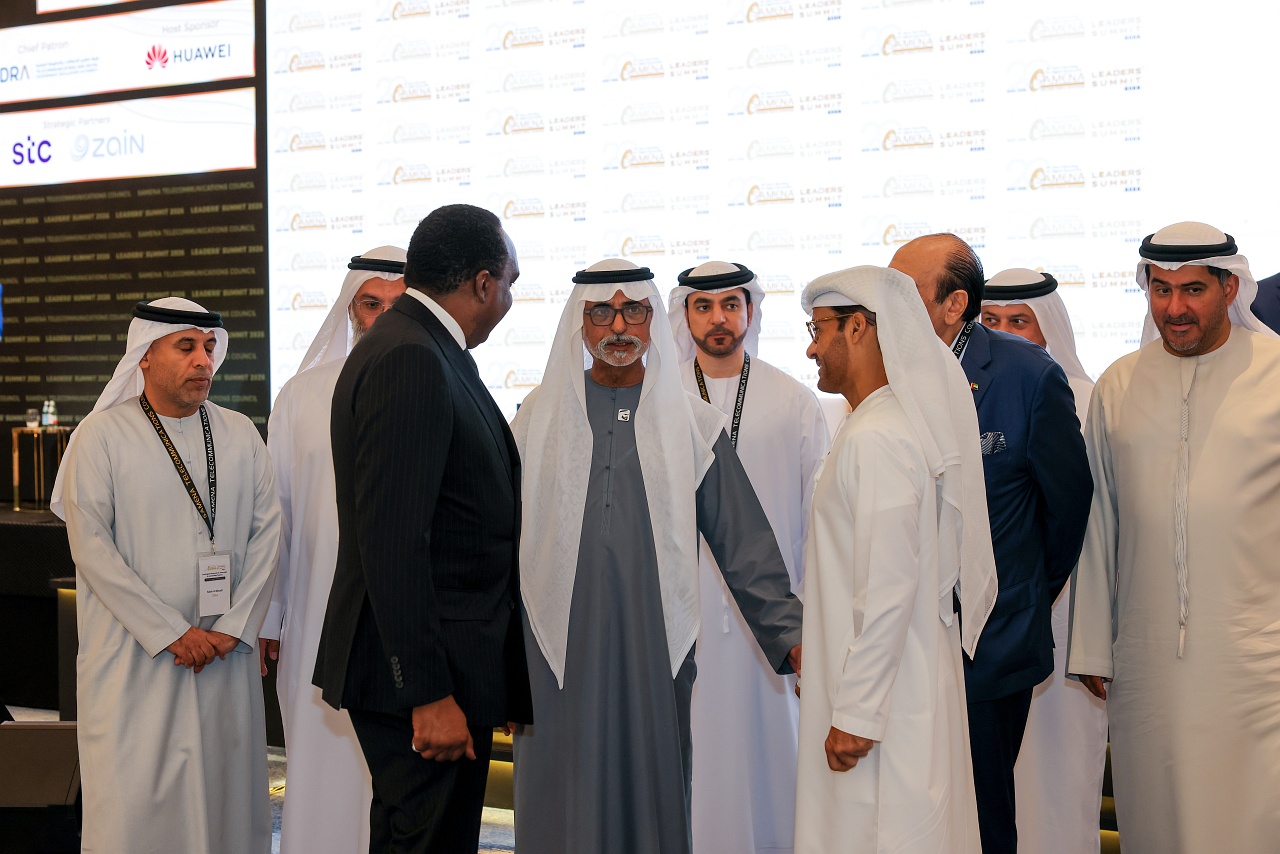
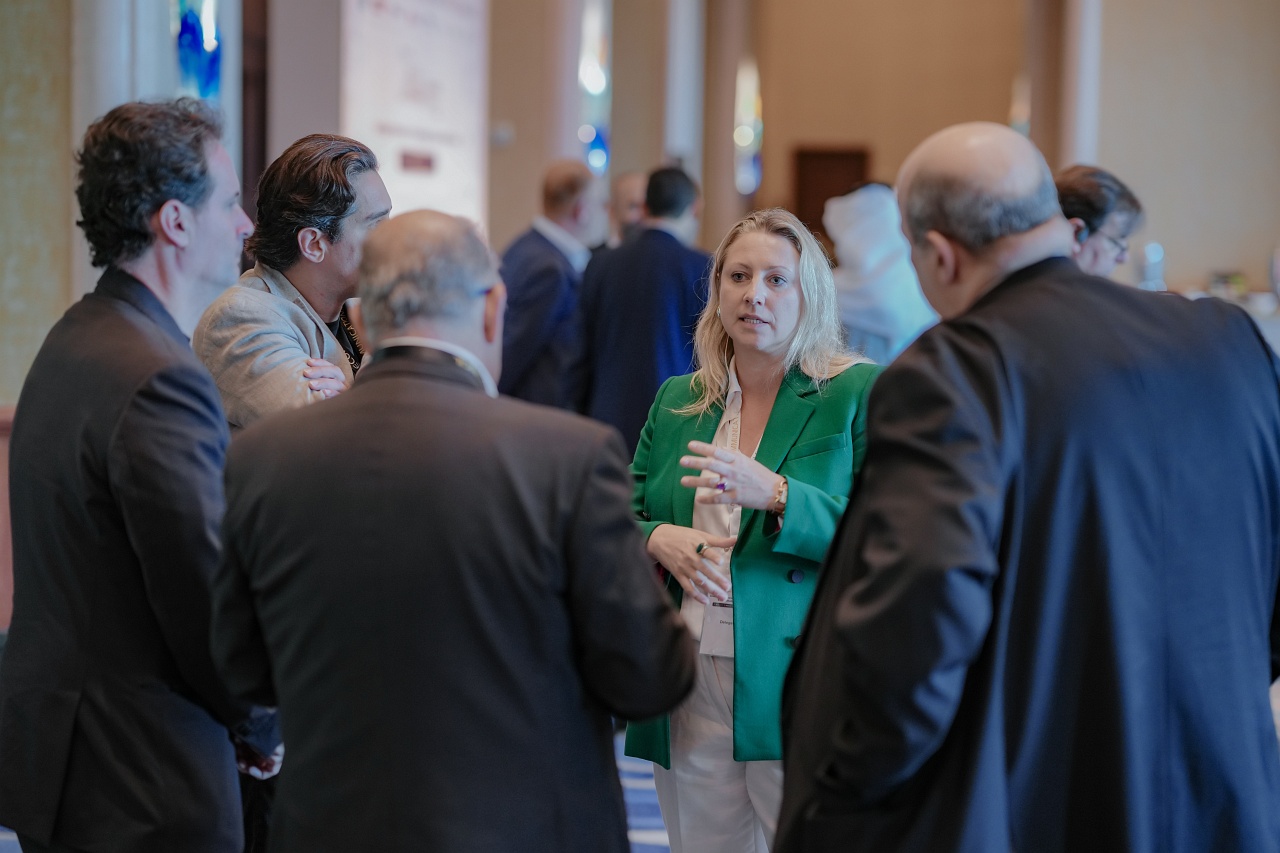
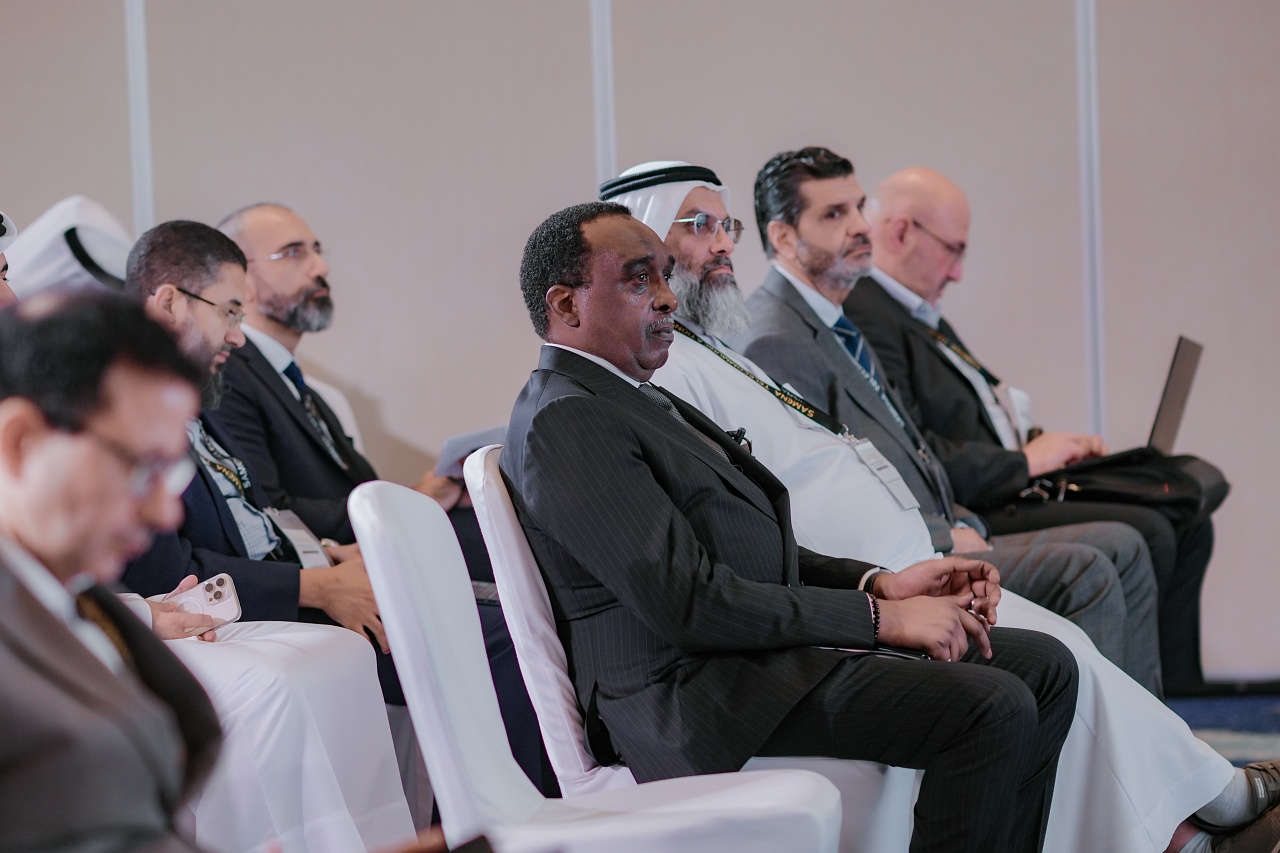
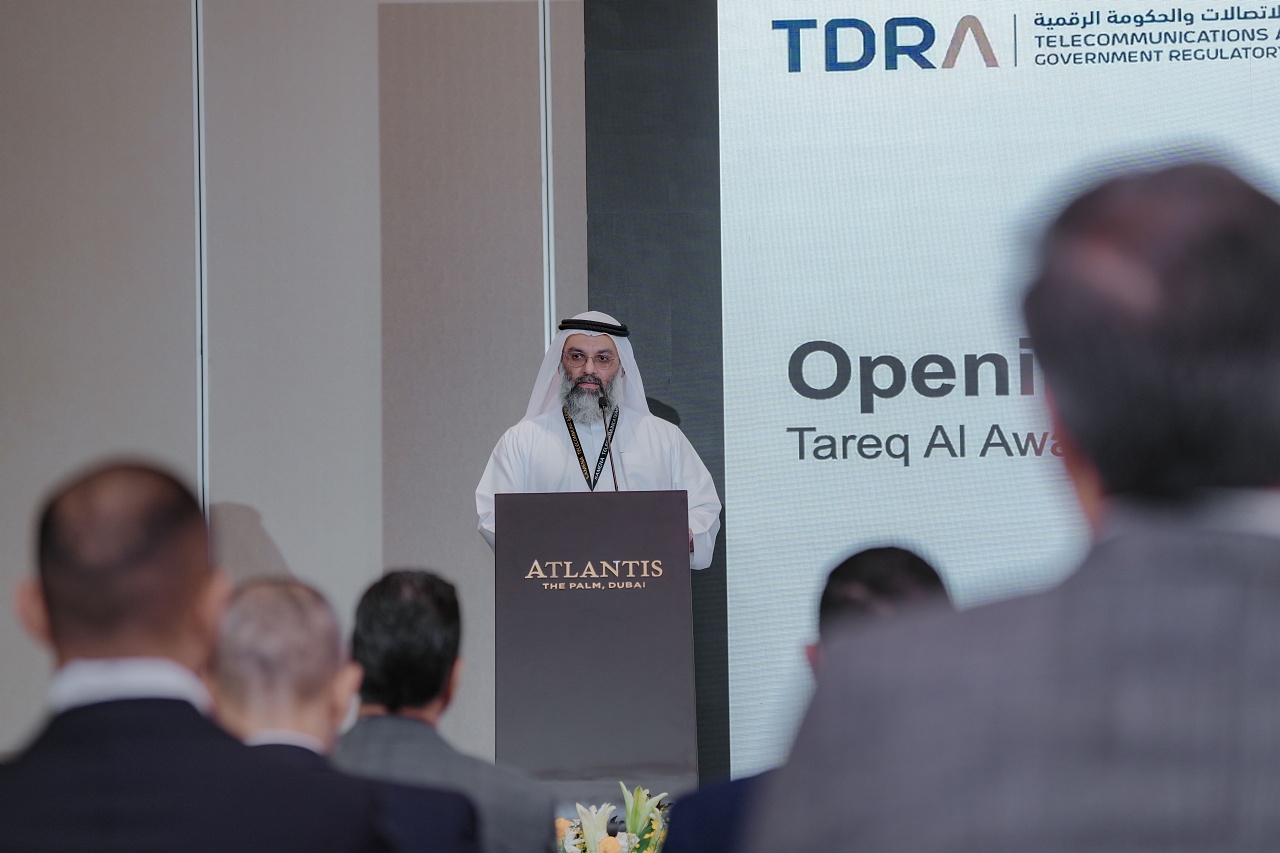
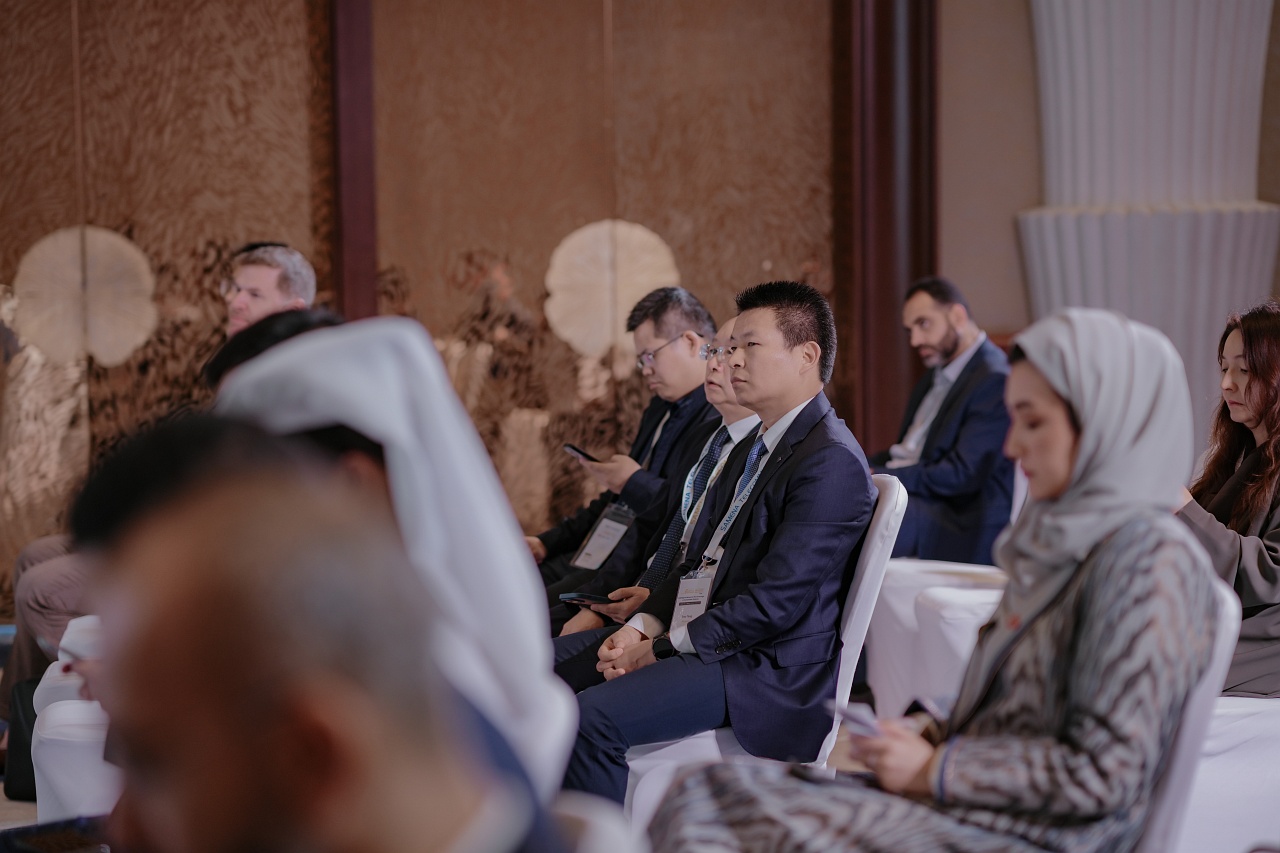
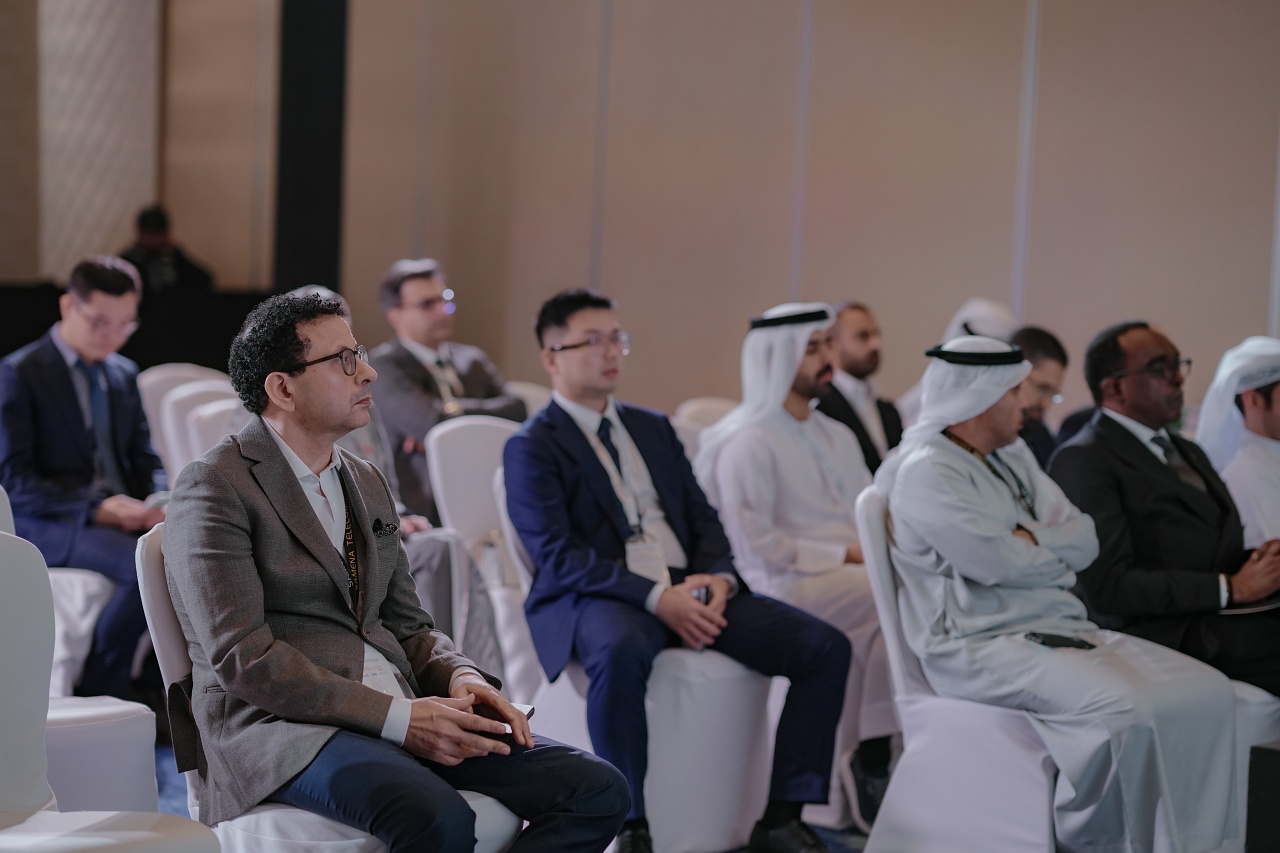
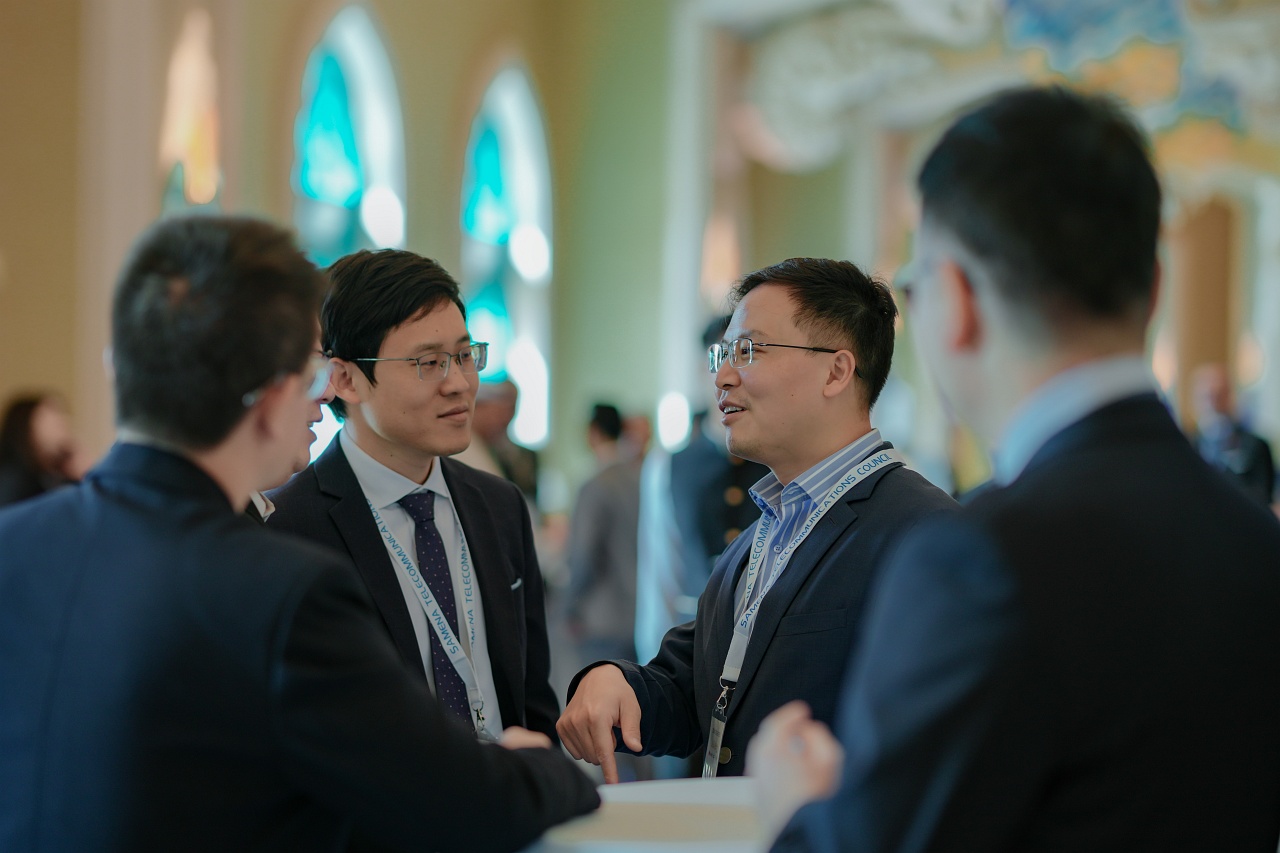
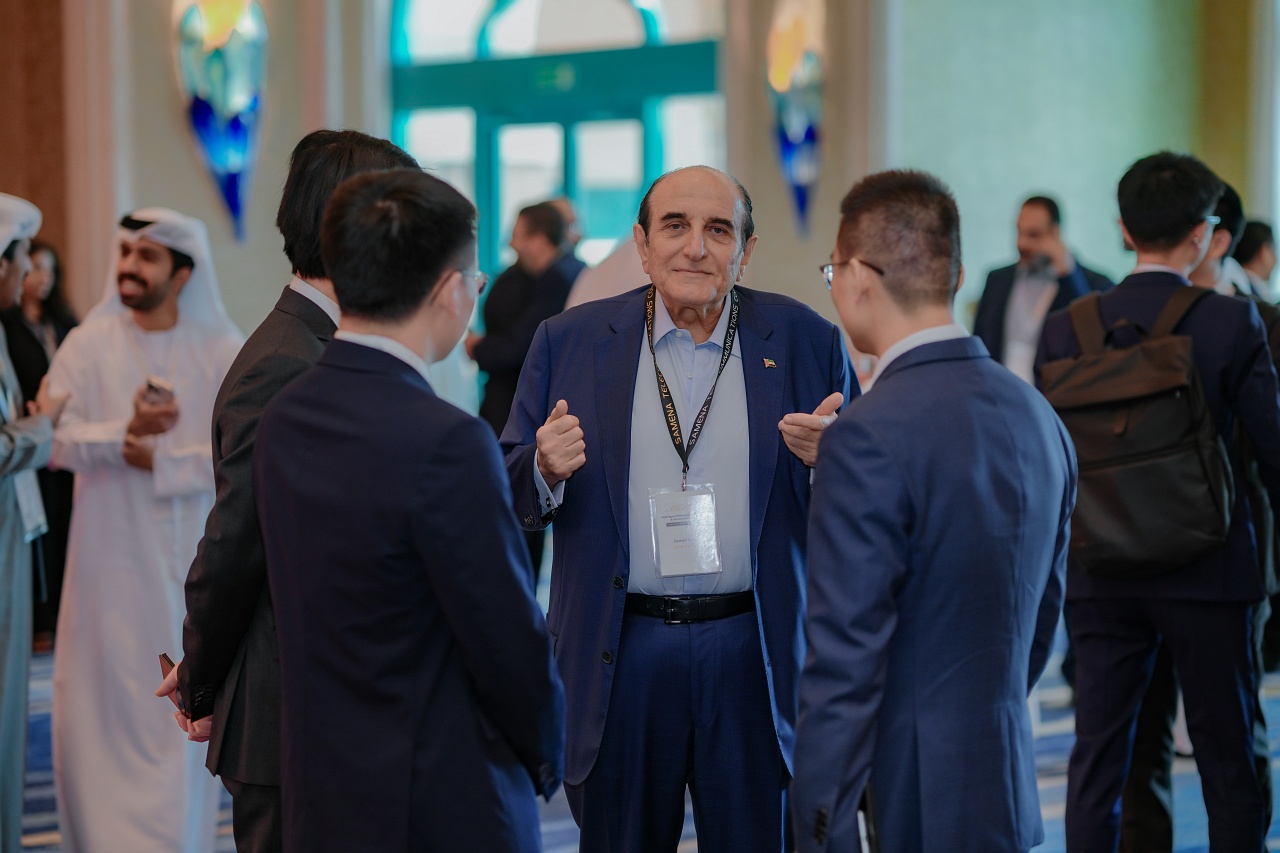
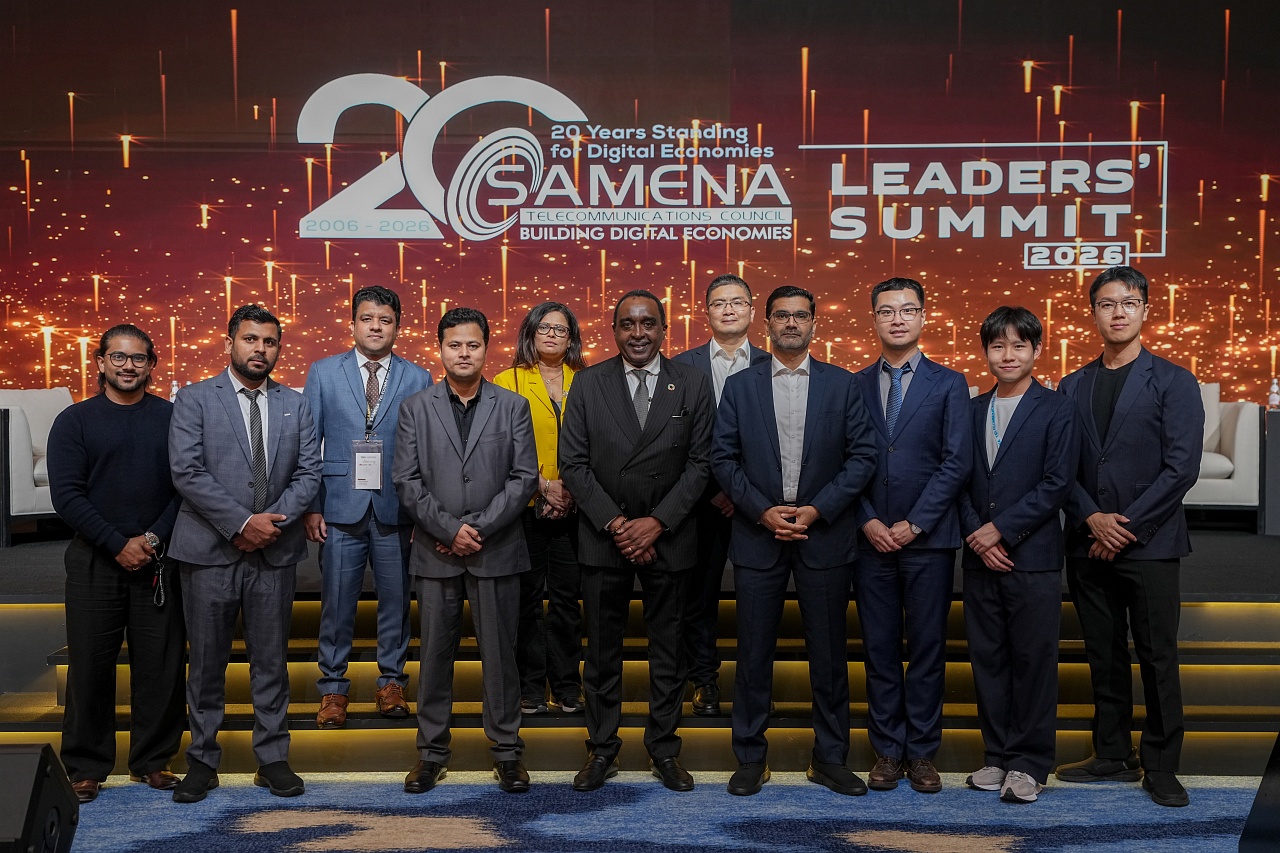
The SAMENA Telecommunications Council Leaders’ Summit symbolizes SAMENA Council’s sector- development partnership and visibility value-proposition extended to the Public and Private sector entities active within and outside of the Telecom/ICT Industry. Chairmen and Chief Executives of leading communications services companies, Regulators, Ministers, Investors, Influencers, and renowned Industry and Media Professionals attend Leaders’ Summit, which is designed to verbalize critical business, policy and regulatory challenges, as well as open doors to new opportunities and bridging gaps in an ambience conducive to open communication among a diverse group of key stakeholders.

Stakeholder close-door meetings

Enables design of new strategies,

Aligning industry priorities

Exhibit, showcase and position

Empowering visionaries, uniting regions
Participation of world-renowned personalities
Stakeholder bi-lateral meetings
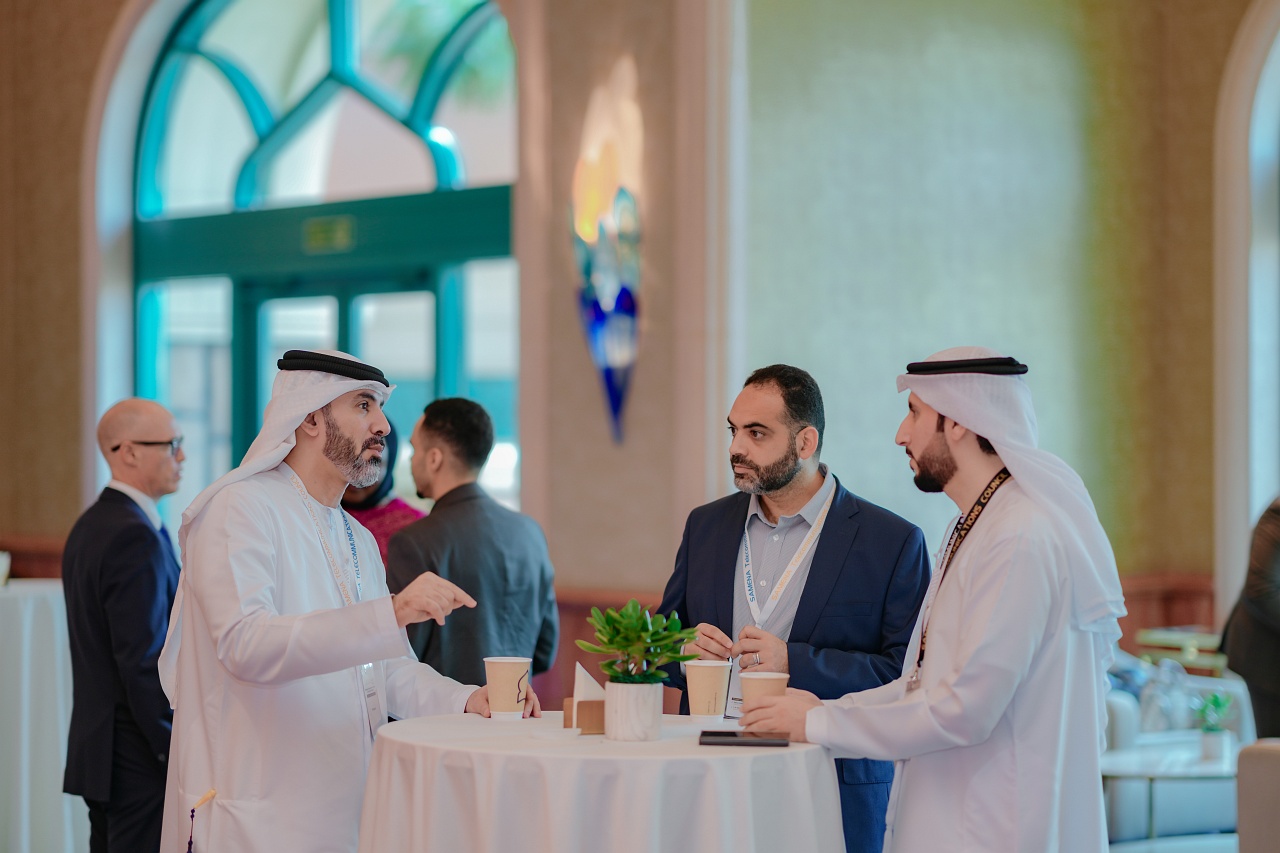
Stakeholder bi-lateral, close-door meetings are some of the most effective ways designed by SAMENA Council to foster opening communication, build co-operation, and seek collaborative means of working together to address challenges and issues, and maintain sustainability in the digital ecosystem.







 Tuesday, 7th April, 2026
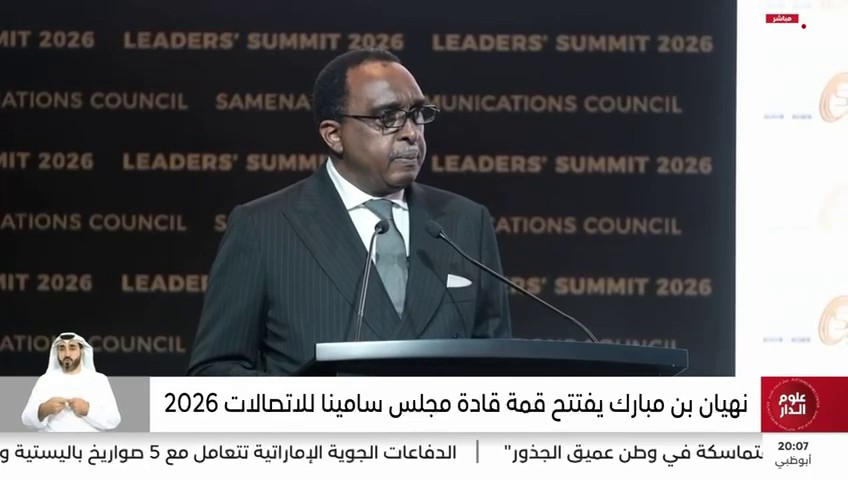
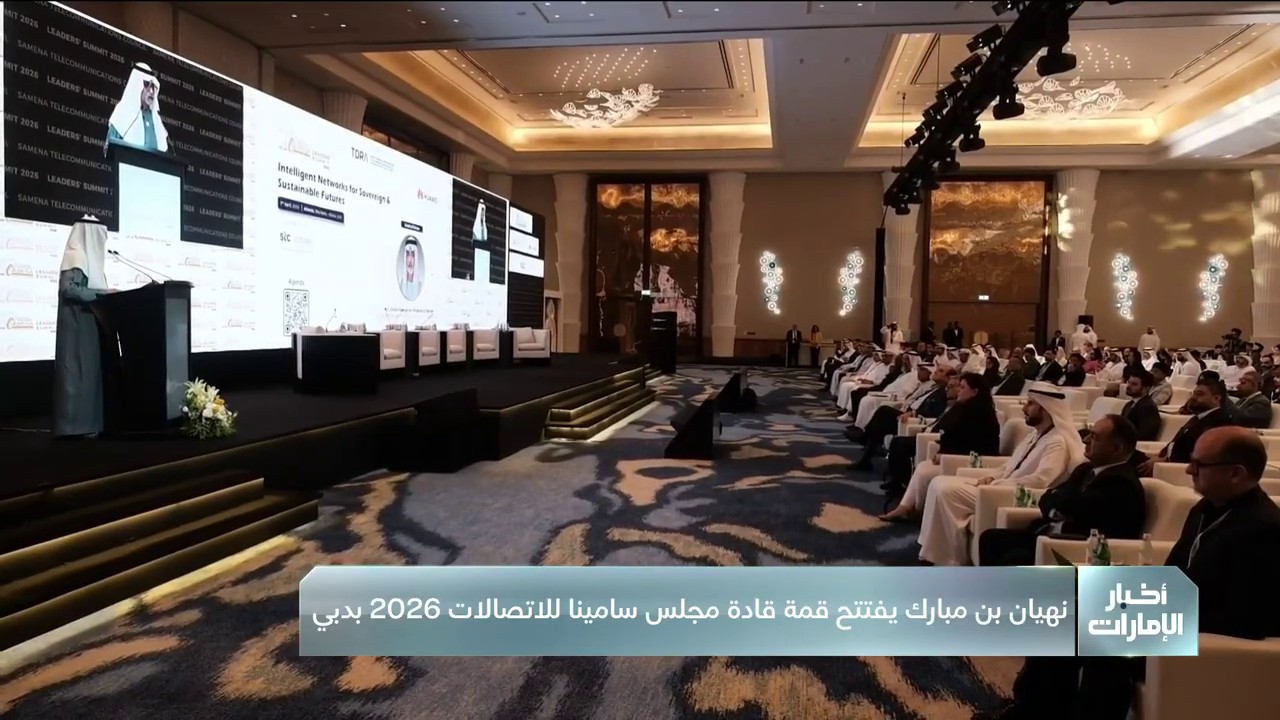
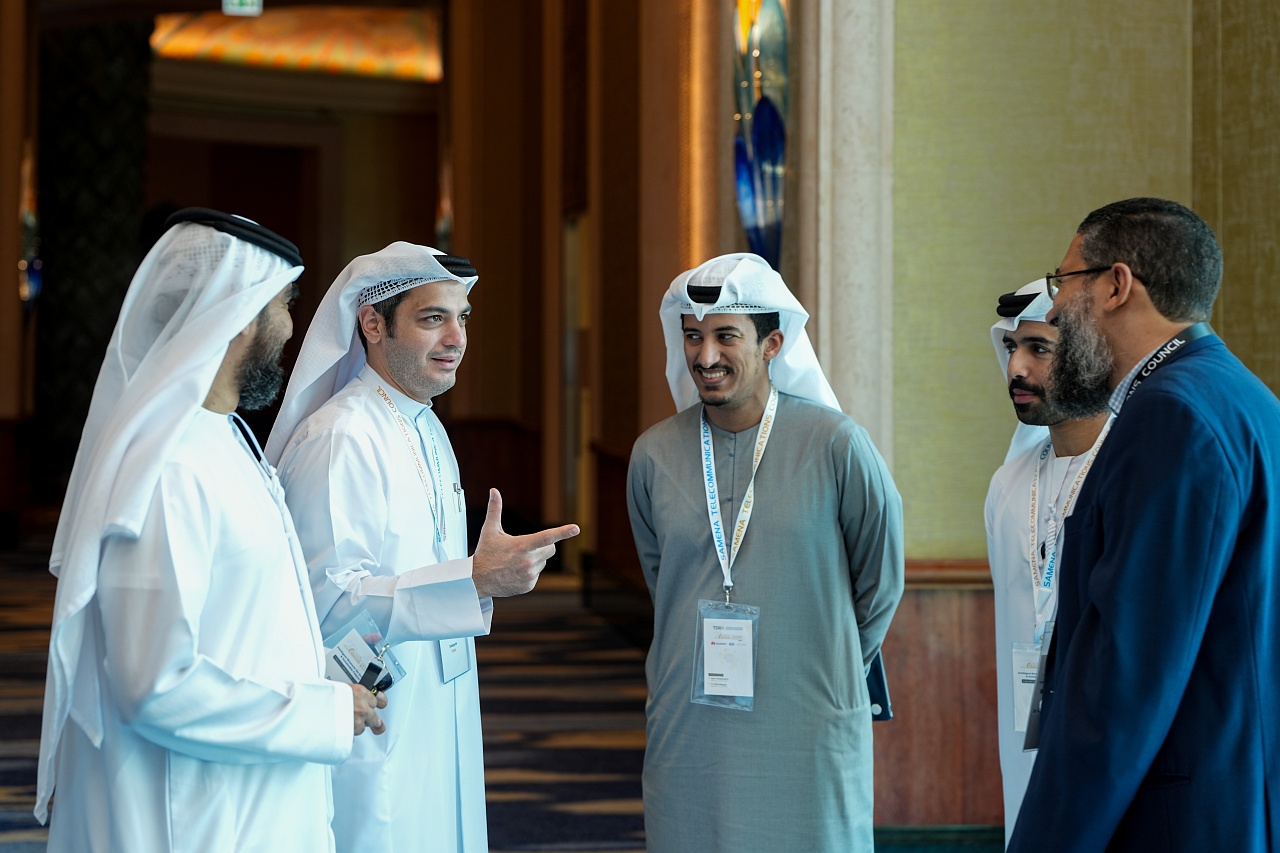
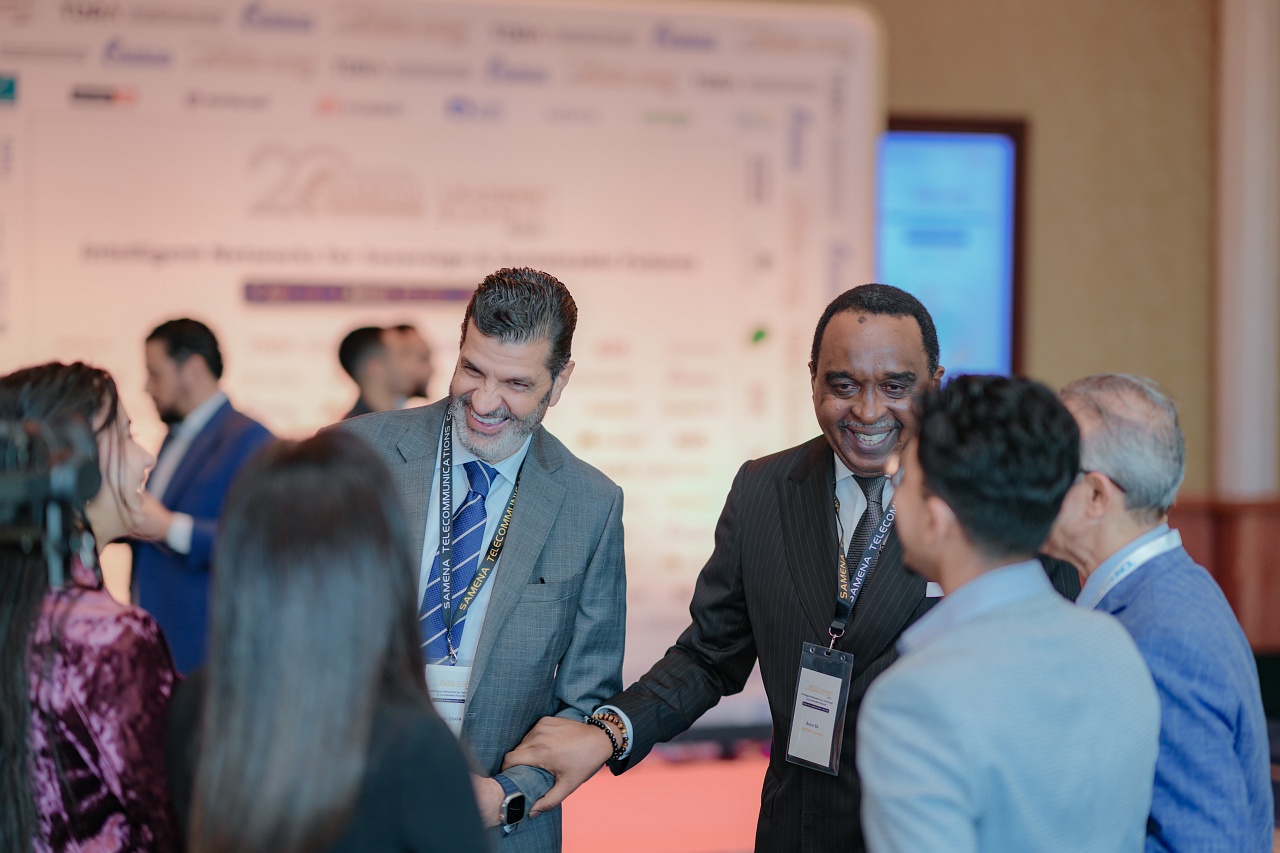
Leaders’ Summit convenes leaders from the SA-ME-NA region’s 25 markets as well as other geographies. This executive gathering serves as a platform for direct representation of the ICT policy interests of Operators, with yearly participation from 350-plus Chief Executives, Chairmen, Ministers’ and other leaders from around the world.
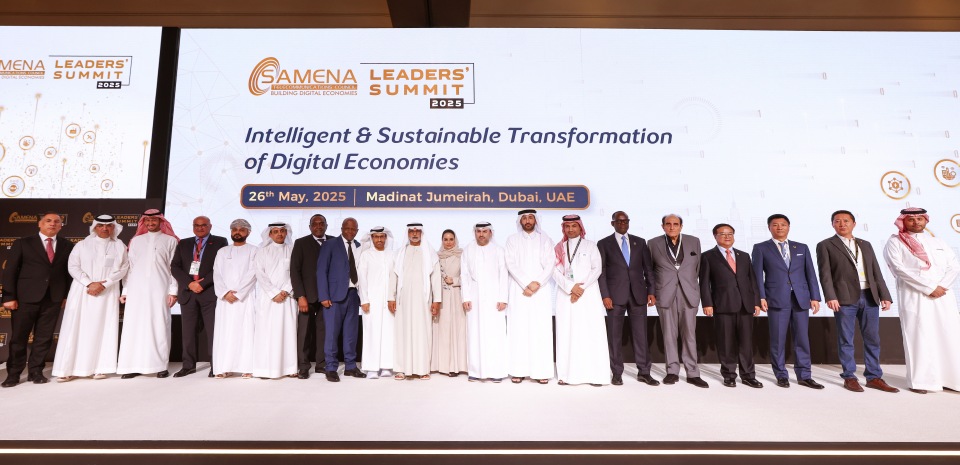
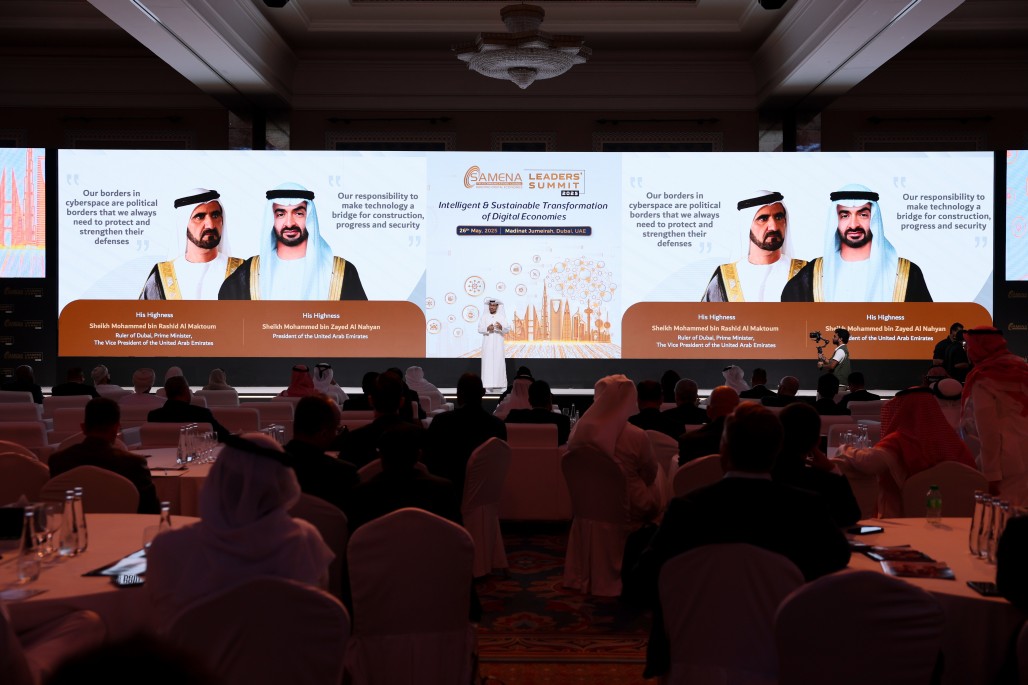
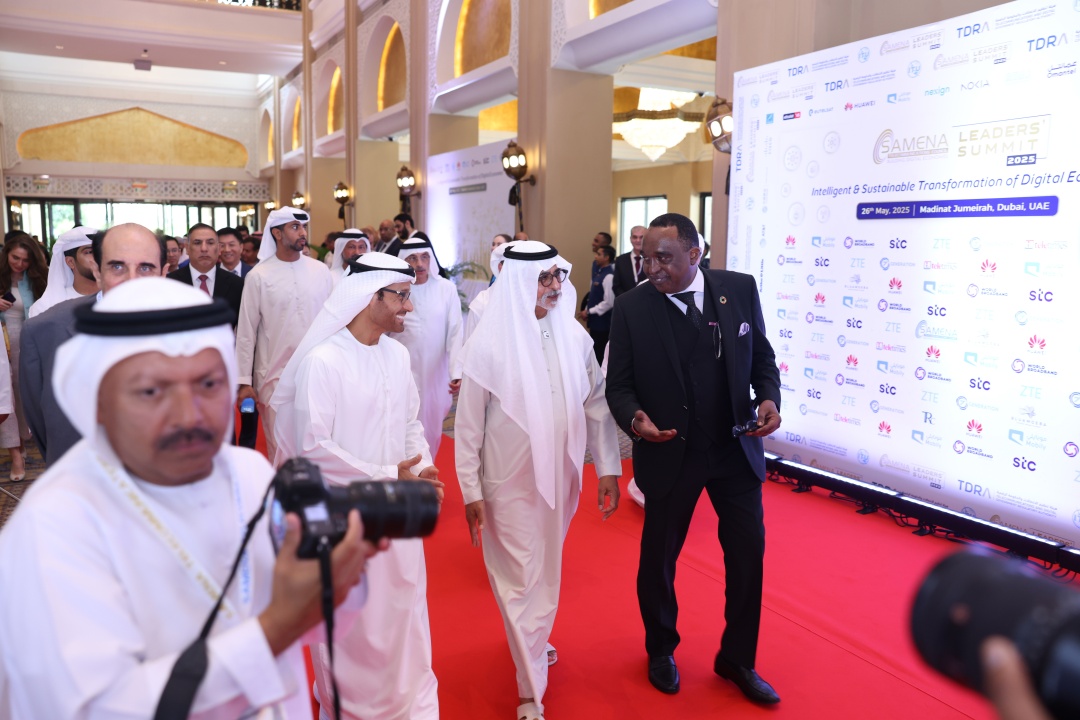
Intelligent & Sustainable Transformation of Digital Economies
26th May, 2025
Madinat Jumeirah,
Dubai, UAE
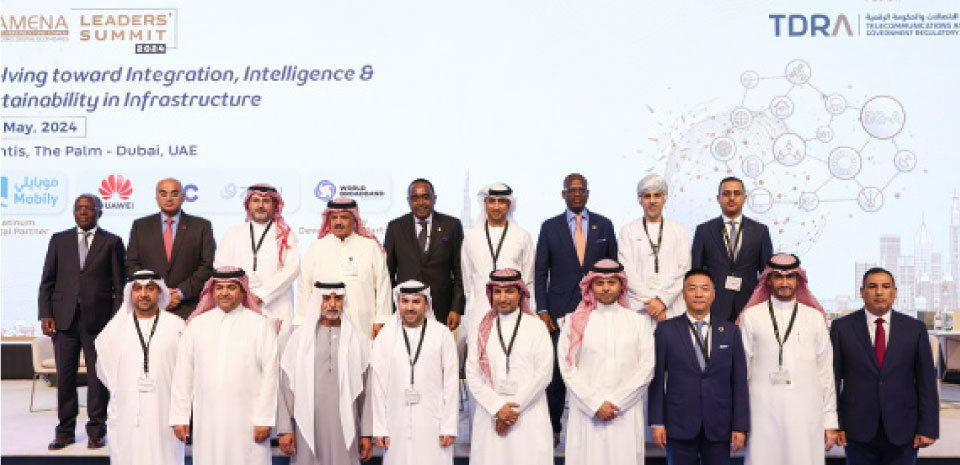
Evolving toward Integration, Intelligence & Sustainability in Infrastructure
13th May, 2024
Atlantis, The Palm
Dubai, UAE
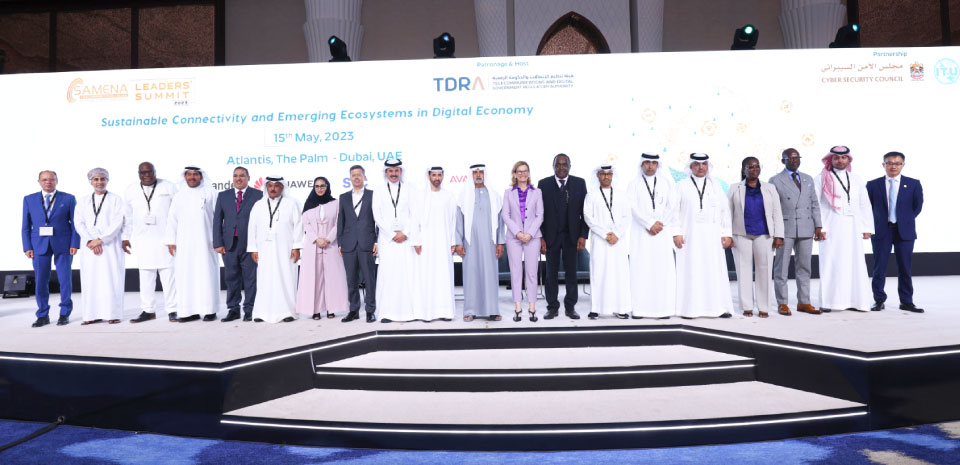
Sustainable Connectivity and Emerging Ecosystems in Digital Economy
17th May, 2023
Atlantis, The Palm
Dubai, UAE
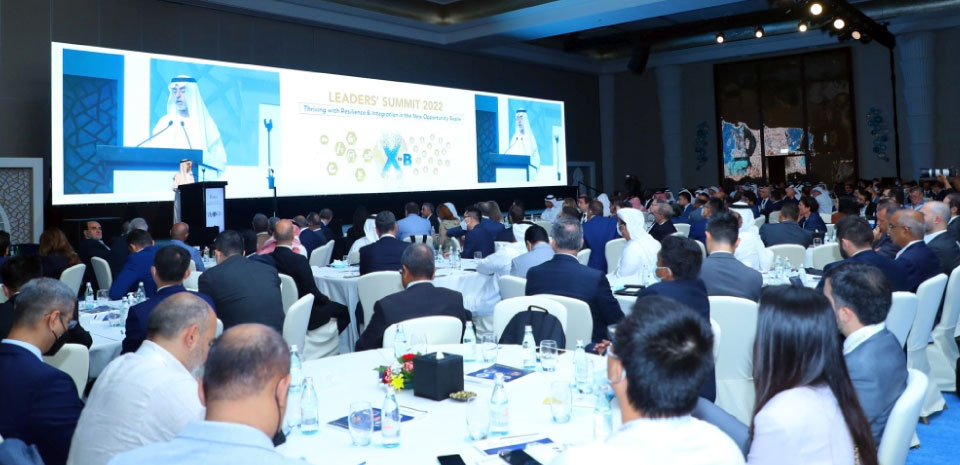
Thriving with Resilience & Integration in the New Opportunity Realm
9th May, 2022
Atlantis, The Palm
Dubai, UAE
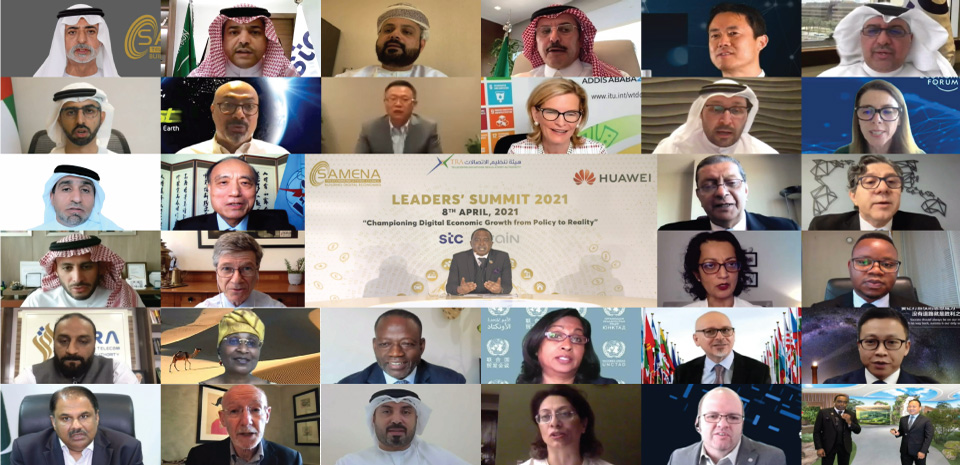
Championing Digital Economic Growth from Policy to Reality
8th April, 2021
Atlantis, The Palm
Dubai, UAE
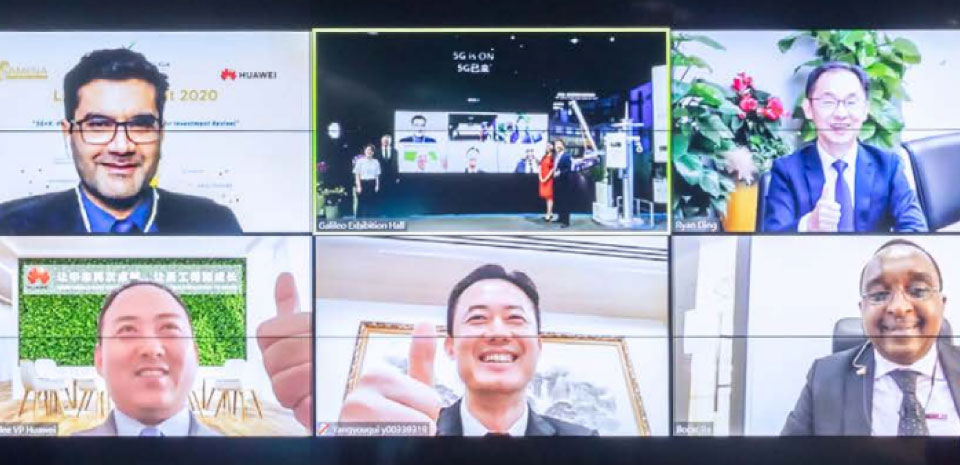
5G+X: Harnessing 5G Across Industries for Investment Revival
9th July, 2020
Atlantis, The Palm
Dubai, UAE
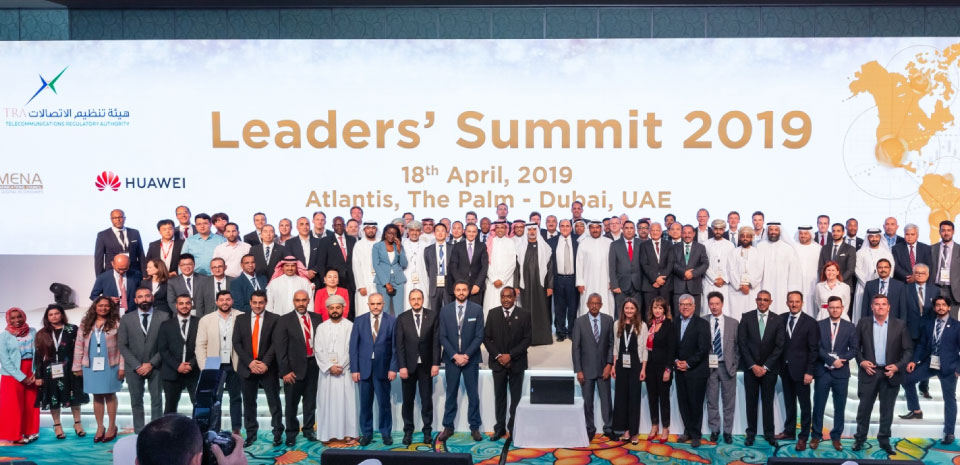
Visualizing Impact of 5G in Boosting ICT Business & Innovation
18th April, 2019
Dubai, UAE
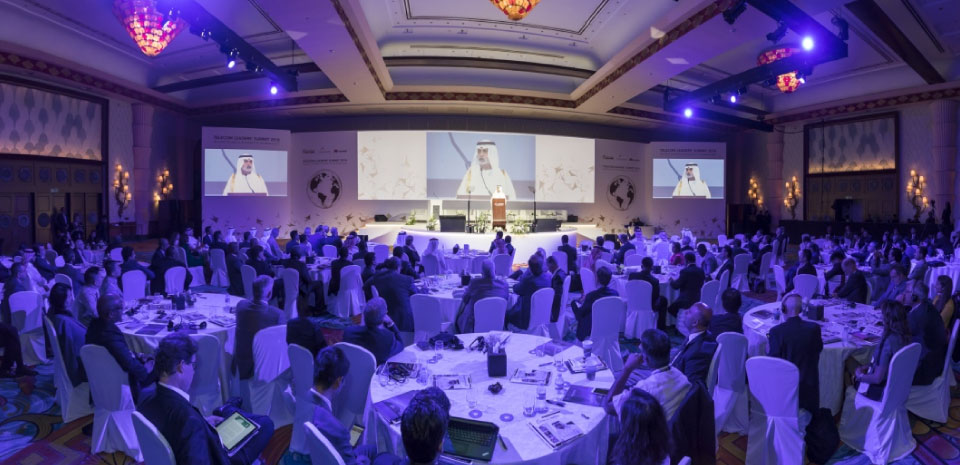
Buliding The Digital Economy of the Middle East
3rd April, 2018
Atlantis, The Palm
Dubai, UAE

#304, Alfa Building, Knowledge Village, P.O. Box: 502544, Dubai, UAE
Please fill the form below: